李白那小子不是写了一首诗吗
“Li Bai wrote a poem, did he not?”
THE DIALOGUE REEL
我想通了
“I figured it out.”
李 白 那小子 不是写了一首诗吗
“Li Bai wrote a poem, did he not?”
“When life is good, one should savor the joy.”
“Stop stressing out; let us just drink and enjoy life like Li Bai said.”
Invoking Tang poet Li Bai, specifically his philosophy of carpe diem from 'Bring in the Wine', is a common cultural shorthand in China for letting go of worldly troubles.
LEARNING CHUNKS & PARTICLES
that kid / that fellow / that guy
An informal, familiar, and sometimes humorous colloquial way to refer to a younger man or someone spoken of affectionately.
didn't... / isn't it true that...
A common rhetorical question framework used to prompt agreement or remind the listener of an obvious fact.
Marks the rhetorical question expecting immediate agreement or recognition from the listener.
VOCABULARY & EXPRESSIONS
Parallel Spoken Cinema Scenes (语义近邻切片)
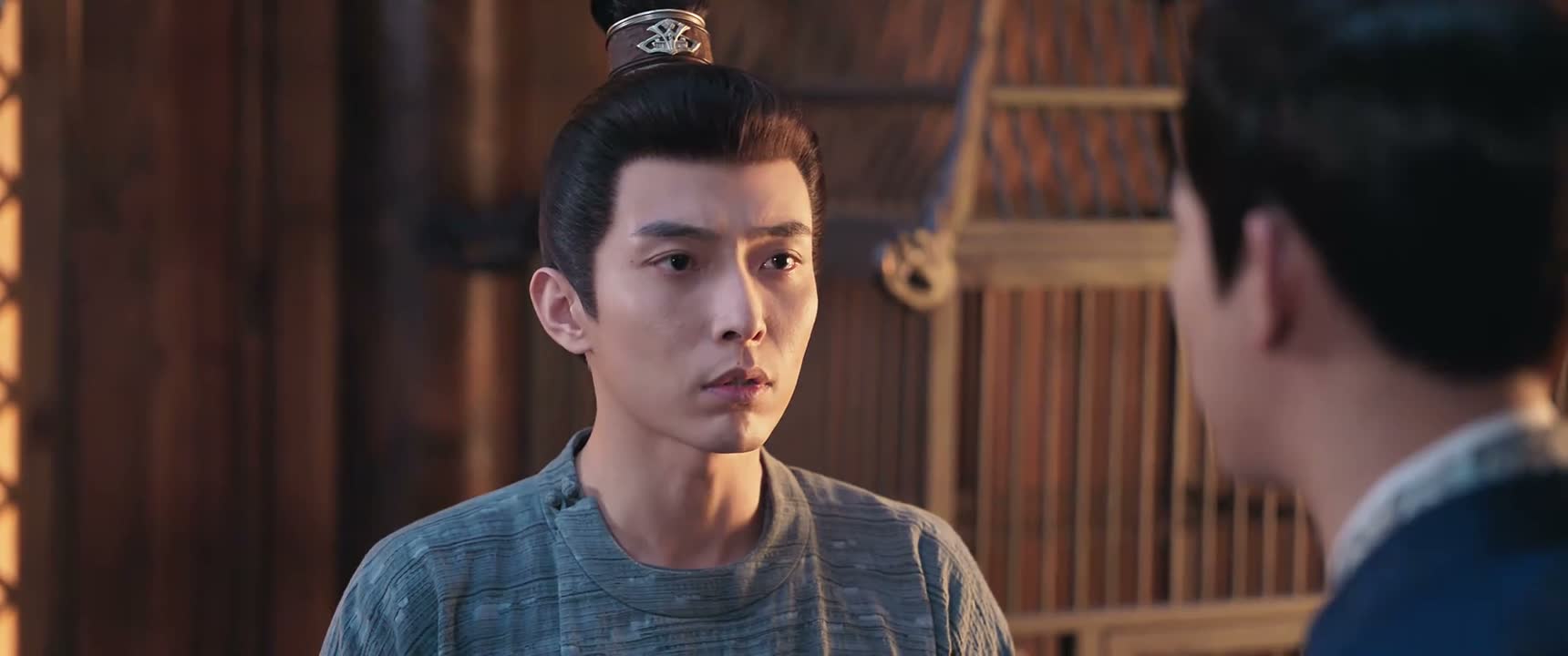
“Wasn't this man supposed to have no one to rely on?”

“This kid is just like his master.”

“What kind of poem is this? Just a few meaningless sentences.”

“not everyone can be a modest gentleman”

“Surely, Grand Tutor Li,”
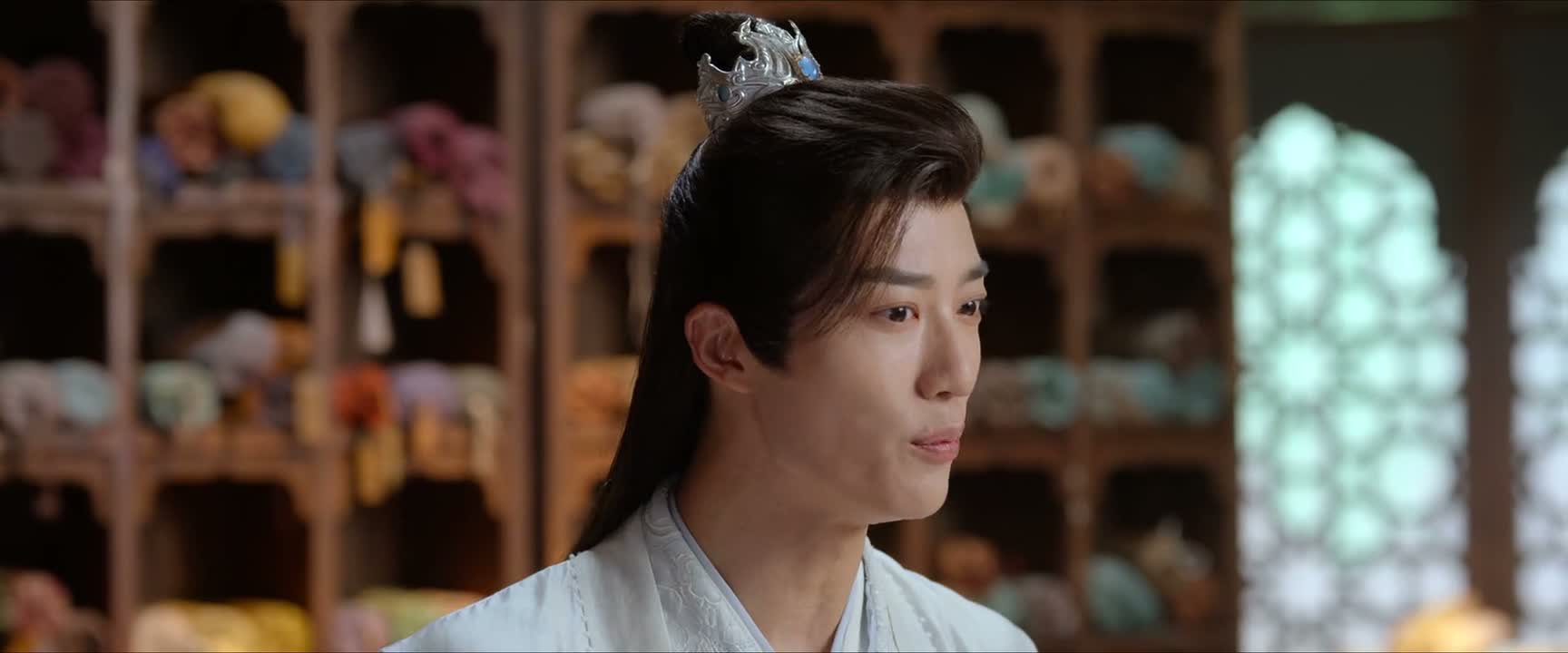
“compose a poem in seven steps.”