我上次不是跟你说我掉河里了吗
“Did I not tell you last time I fell into the river?”
THE DIALOGUE REEL
我 上次不是跟你说 我 掉河里了 吗
“Did I not tell you last time I fell into the river?”
差点给淹死了
“I nearly drowned.”
“Don't judge me; surviving that ordeal completely changed how I act.”
In Chinese storytelling and drama, surviving a drowning or head injury is frequently invoked as a humorous or plausible excuse for drastic behavioral changes.
LEARNING CHUNKS & PARTICLES
didn't I already tell you
A common conversational device used to remind someone of an earlier statement or to deflect blame.
fall into a river
Used literally to describe falling into water, often cited as a turning point in dramatic storytelling.
Indicates the completion of falling into the river.
Turns the statement into a rhetorical question seeking immediate agreement.
VOCABULARY & EXPRESSIONS
Parallel Spoken Cinema Scenes (语义近邻切片)

“Didn't you fall into a river once when you were little?”
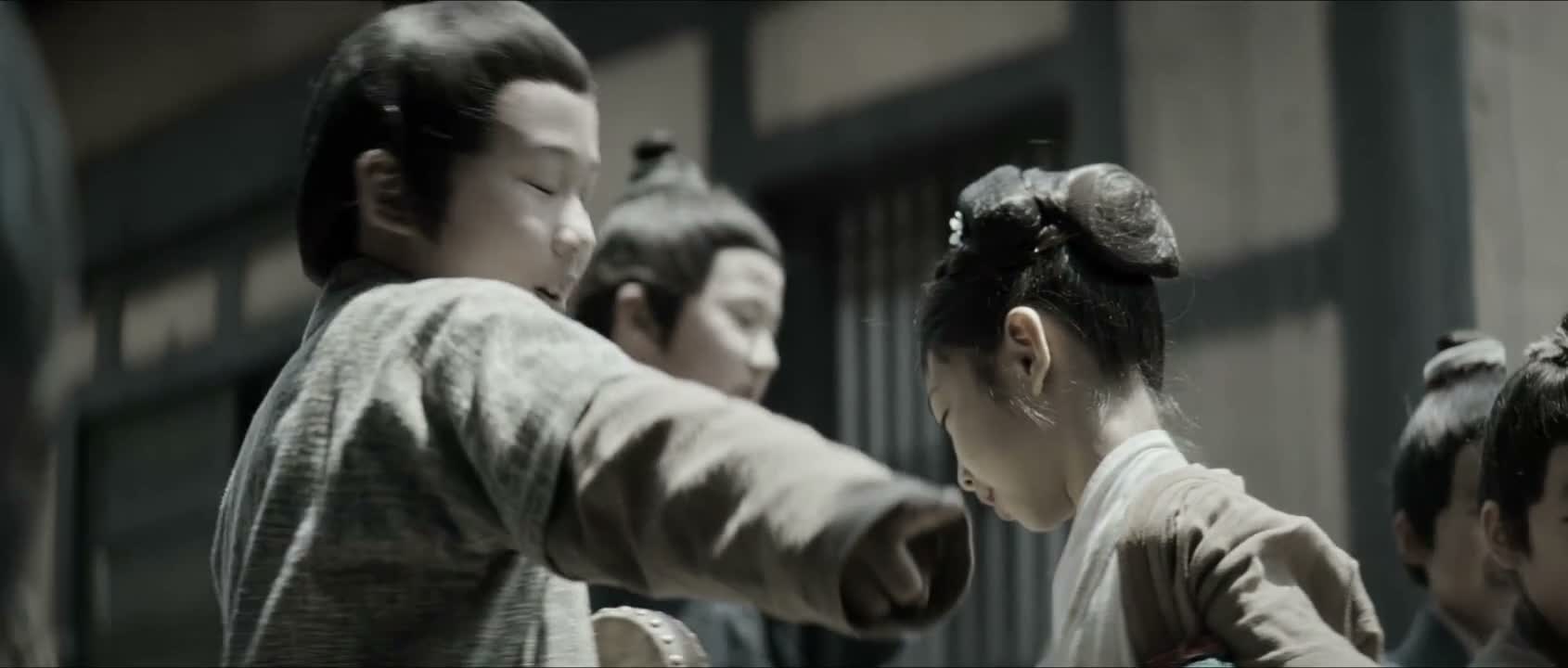
“(threw me into the river.)”
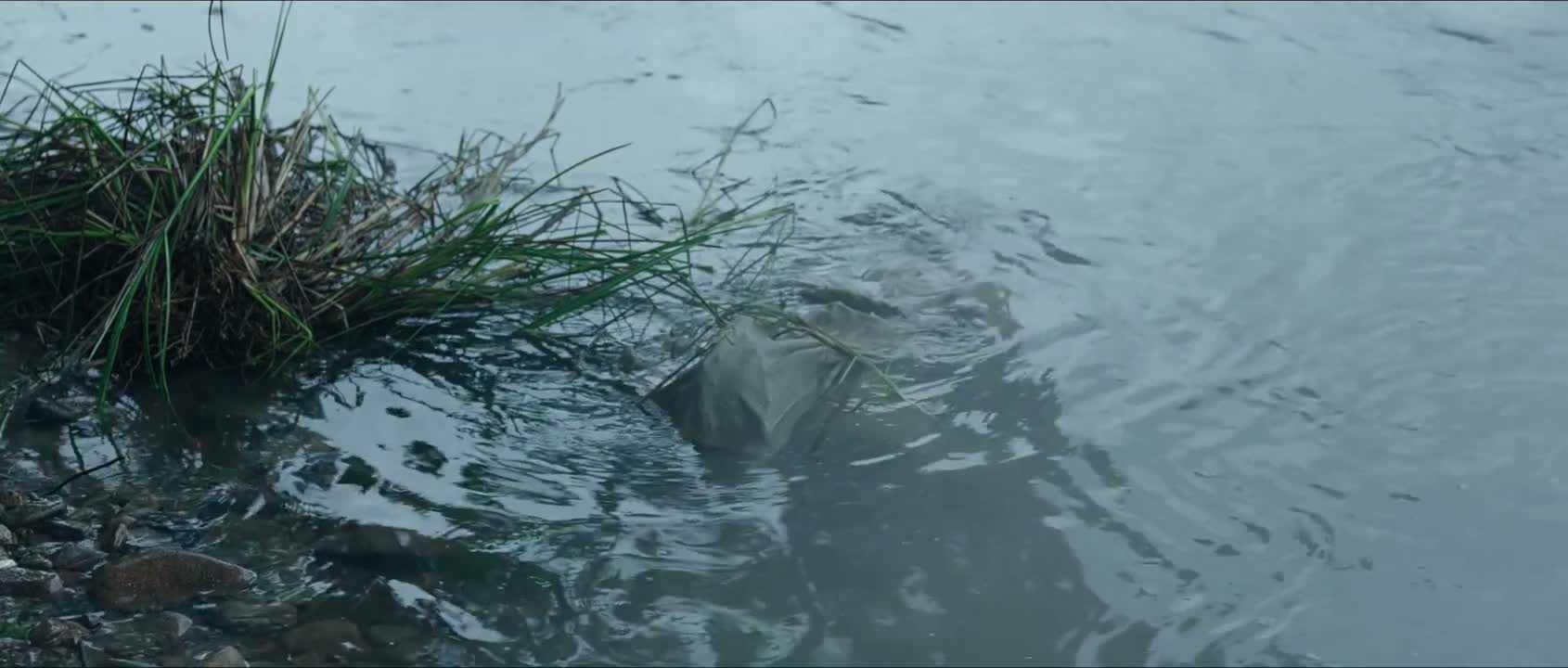
“Whose clothes fell into the river?”

“she slipped by the river while bathing.”

“I'll throw you into the river.”

“But I can be sure I was pushed into the water.”