一切都来不及了 恳请您
“if we delay any longer. I'm begging you.”
THE DIALOGUE REEL
大人 夜路难行 田本昌跑不了多远 若是再晚
“Your Excellency, it's hard to travel at night. Tian Benchang couldn't have gone far. It'll be too late”
一切都 来不及了 恳请 您
“if we delay any longer. I'm begging you.”
让民女一试吧
“Please let me give it a try.”
“We are running out of time—please grant me this chance before it is ruined forever.”
In traditional Chinese hierarchies, subordinates or commoners must maintain extreme deference ('恳请您') even while vehemently urging urgent action.
LEARNING CHUNKS & PARTICLES
there is no time left; it's too late
Used to denote that a critical deadline or opportunity has slipped or is about to slip away.
sincerely implore; respectfully request
A formal, elevated register verb used when petitioning a superior or someone in power.
Indicates a newly realized, imminent critical state of emergency.
VOCABULARY & EXPRESSIONS
Parallel Spoken Cinema Scenes (语义近邻切片)
“We haven't had a chance to get acquainted.”

“If we don't leave now, it'll be too late!”
“I'm afraid we won't make it on time.”

“it'll be too late. It's over.”

“Too late. We don't have time. Qingsong.”

“I know it's too late now. What a pity.”
“Too late for that, Mr. Gong.”

“There's no time. Kill him and push him out!”

“to regret it now.”

“No time, hurry up.”
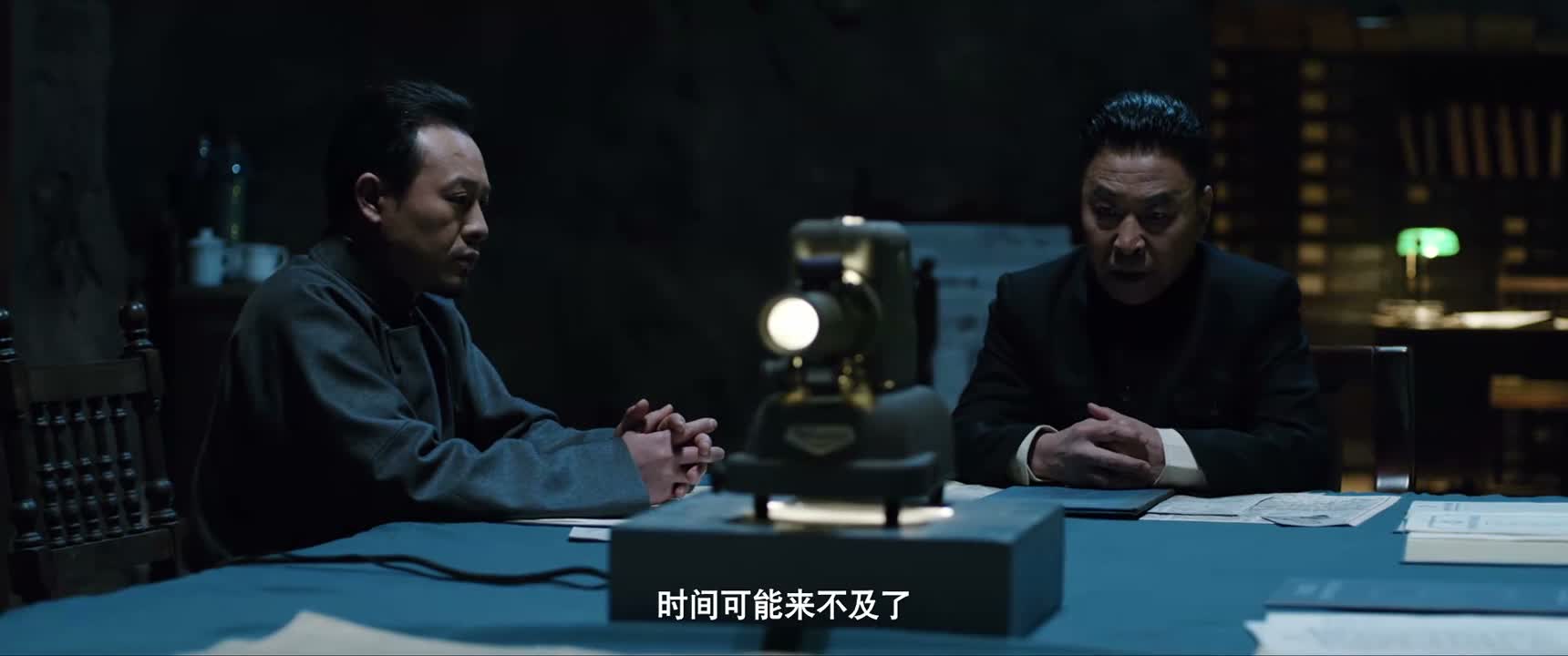
“Time may be running short.”

“I'm running late. Why don't you let me park here,”

“It's too late for you to know that now.”

“to Yanshou Ward to kill Cui Manshu.”

“I won't make it if I don't leave now.”