来不及了 没时间了 姐夫
“Too late. We don't have time. Qingsong.”
THE DIALOGUE REEL
“Qingsong. Take the back door. We leave together.”
来不及了 没时间了 姐夫
“Too late. We don't have time. Qingsong.”
“Don't worry, Qingsong. The police won't trace it here.”
Direct spoken expression in this communicative setting.
In traditional Chinese family ethics, in-laws are treated as core family members whose protection during legal jeopardy often supersedes self-preservation.
LEARNING CHUNKS & PARTICLES
it's too late / there is no time left
Extremely common expression used whenever a deadline or opportunity has passed or is about to expire.
out of time / there is no more time
Used to indicate a severe time deficit, often doubled with '来不及了' for rhetorical emphasis.
Signals a change of state indicating that the remaining time has run out completely.
VOCABULARY & EXPRESSIONS
Parallel Spoken Cinema Scenes (语义近邻切片)
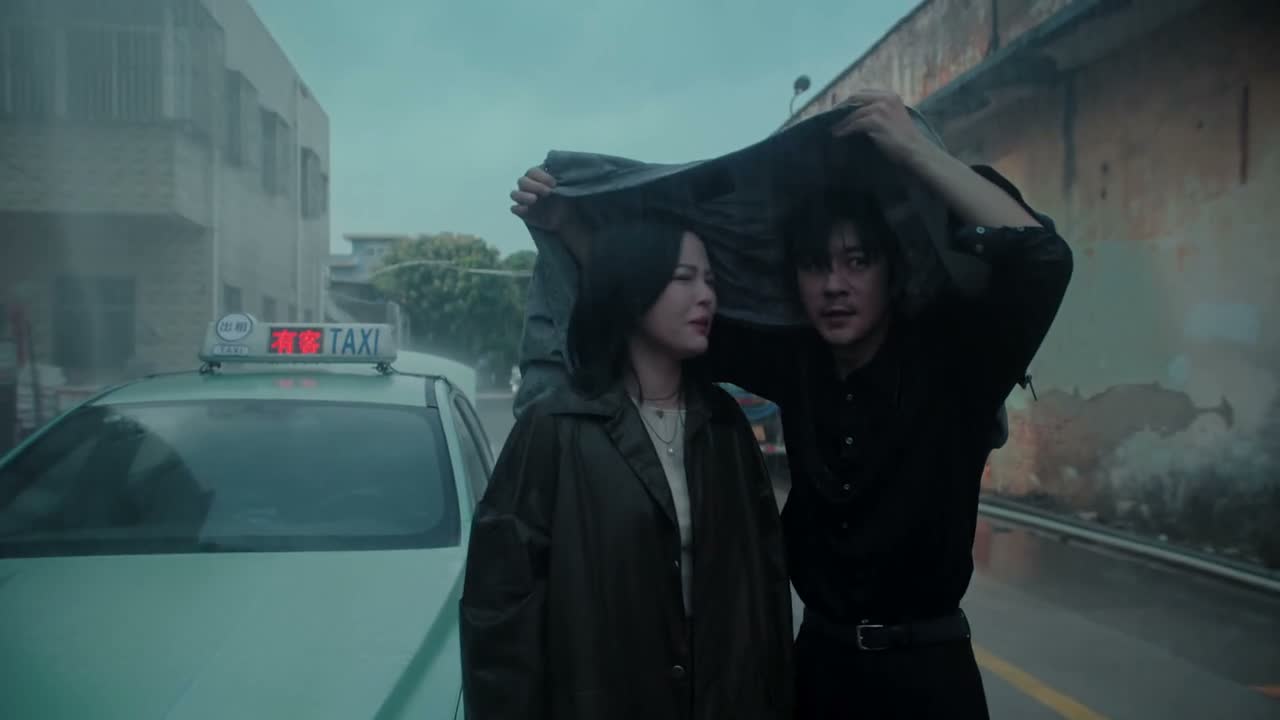
“I'm afraid we won't make it on time.”

“it'll be too late. It's over.”

“It's too late,”
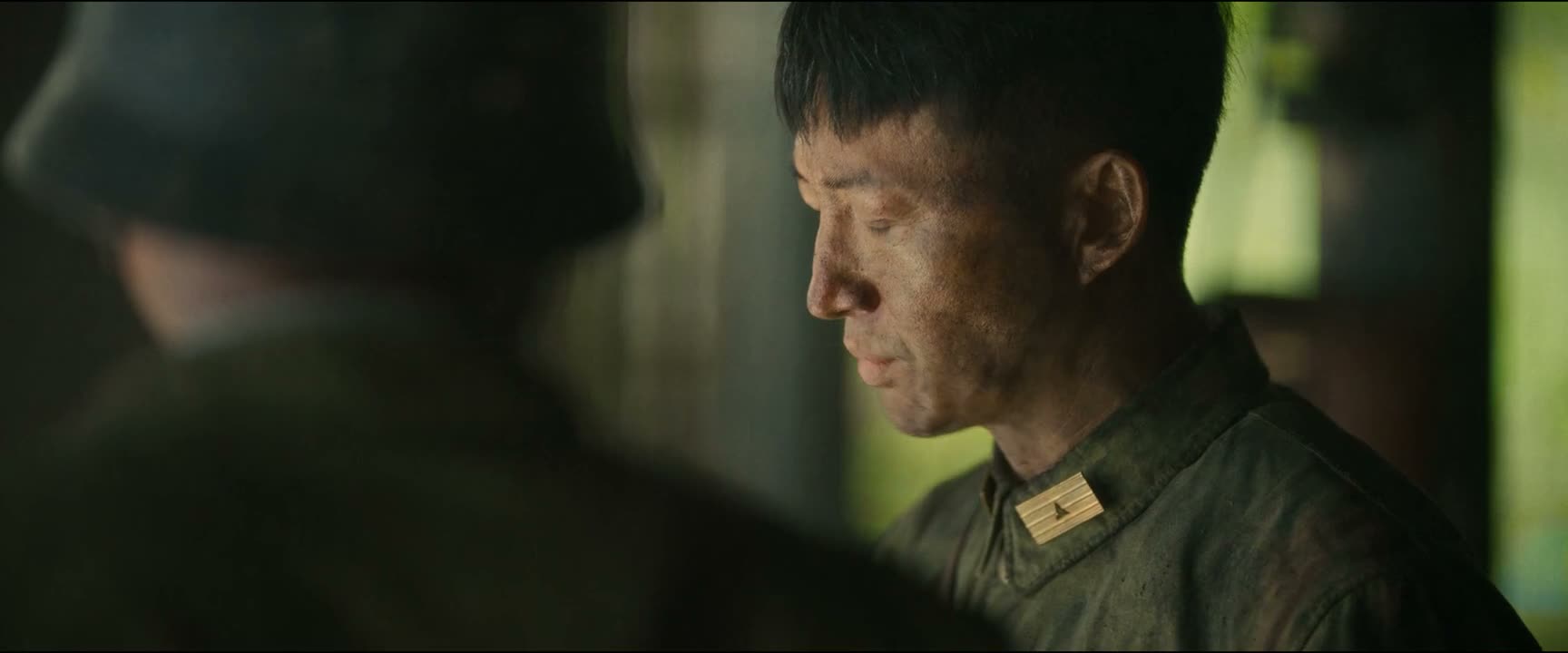
“It's too late.”

“I know it's too late now. What a pity.”

“It's too late!”

“if we delay any longer. I'm begging you.”
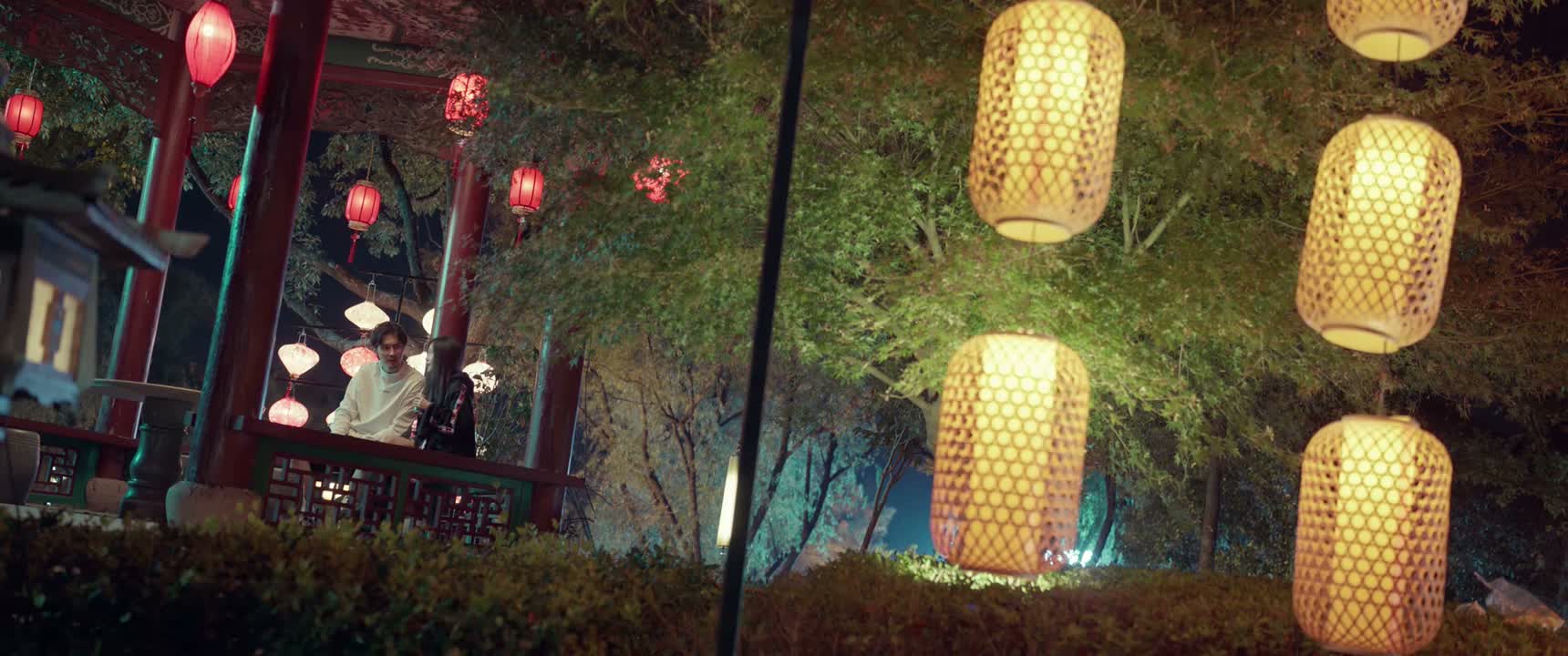
“Too late for that, Mr. Gong.”

“There's no time. Kill him and push him out!”

“We'll miss it. Haven't finished yet.”

“to regret it now.”

“No time, hurry up.”

“It's too late, Cousin. They will quickly clean up the evidence and escape.”

“We won't make it. Wait a moment! Hurry up.”

“I mean the time is really limited. Enough talk. Can you do it or not?”

“I'm running late. Why don't you let me park here,”
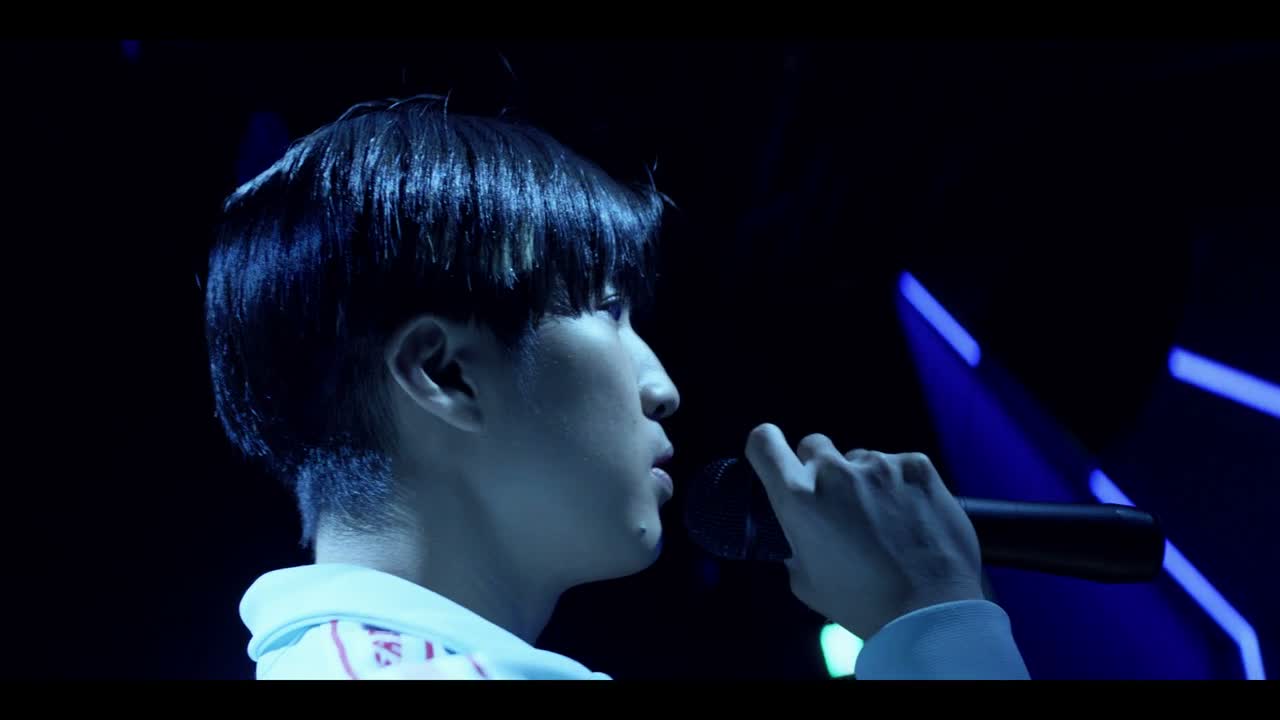
“[fan 22] You're too late, bro!”

“I've been too busy.”