来不及了
“It's too late!”
THE DIALOGUE REEL
您这又是何苦呢 此事我们大可从长计议啊
“why did you have to do this? We could have taken our time to discuss this.”
来不及了
“It's too late!”
早一步
“One step earlier,”
“We don't have the luxury to plan slowly anymore—if we don't move right this second, we are finished.”
While Chinese culture heavily values taking time for careful deliberation ('从长计议'), crises often force a clash with the necessity for swift, daring action.
LEARNING CHUNKS & PARTICLES
there is no time left; it is too late
A crucial everyday collocation used whenever time runs out to accomplish a task or alter an outcome.
Signifies a change of state, indicating that the window of opportunity has now closed.
VOCABULARY & EXPRESSIONS
Parallel Spoken Cinema Scenes (语义近邻切片)

“It's too late,”
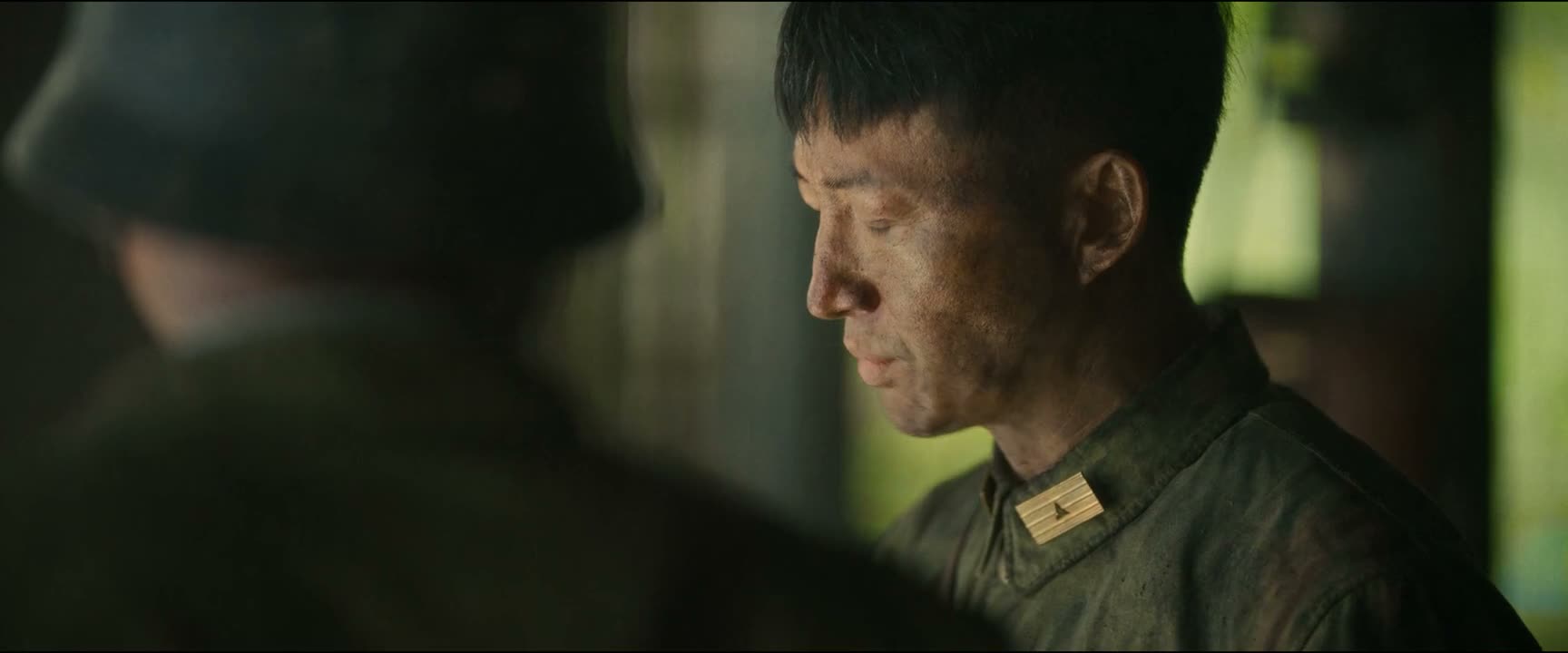
“It's too late.”
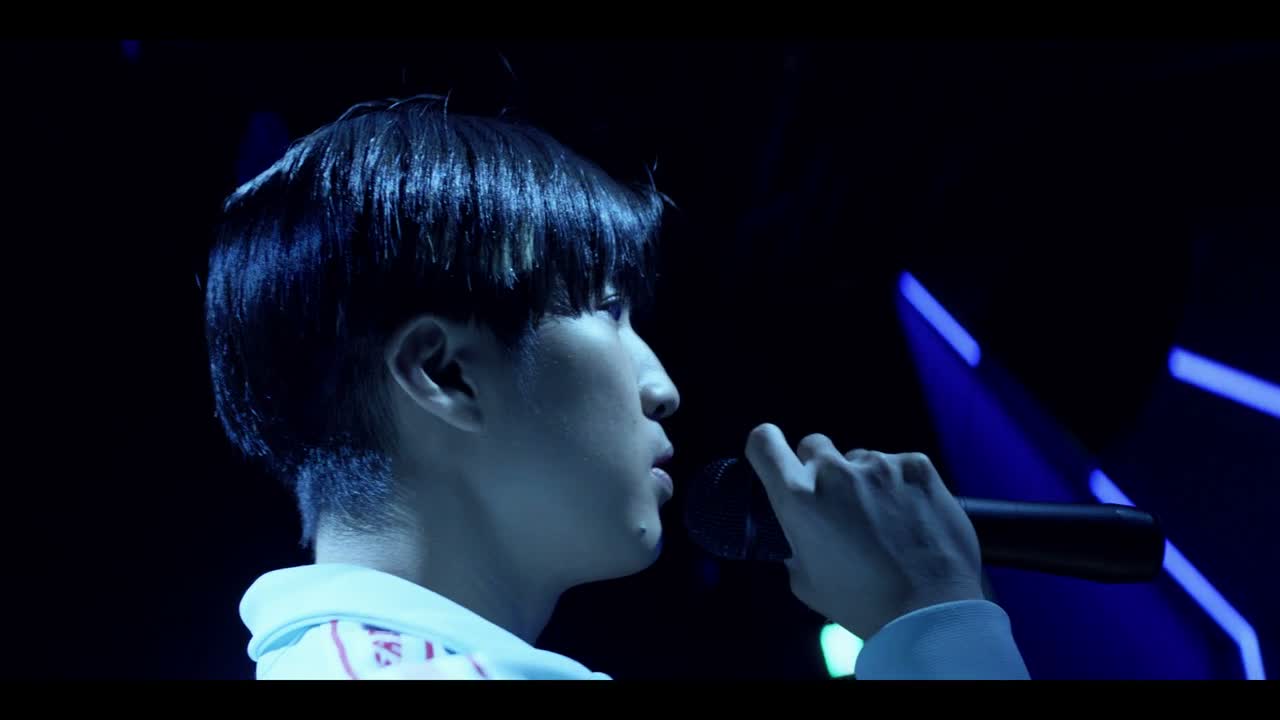
“[fan 22] You're too late, bro!”
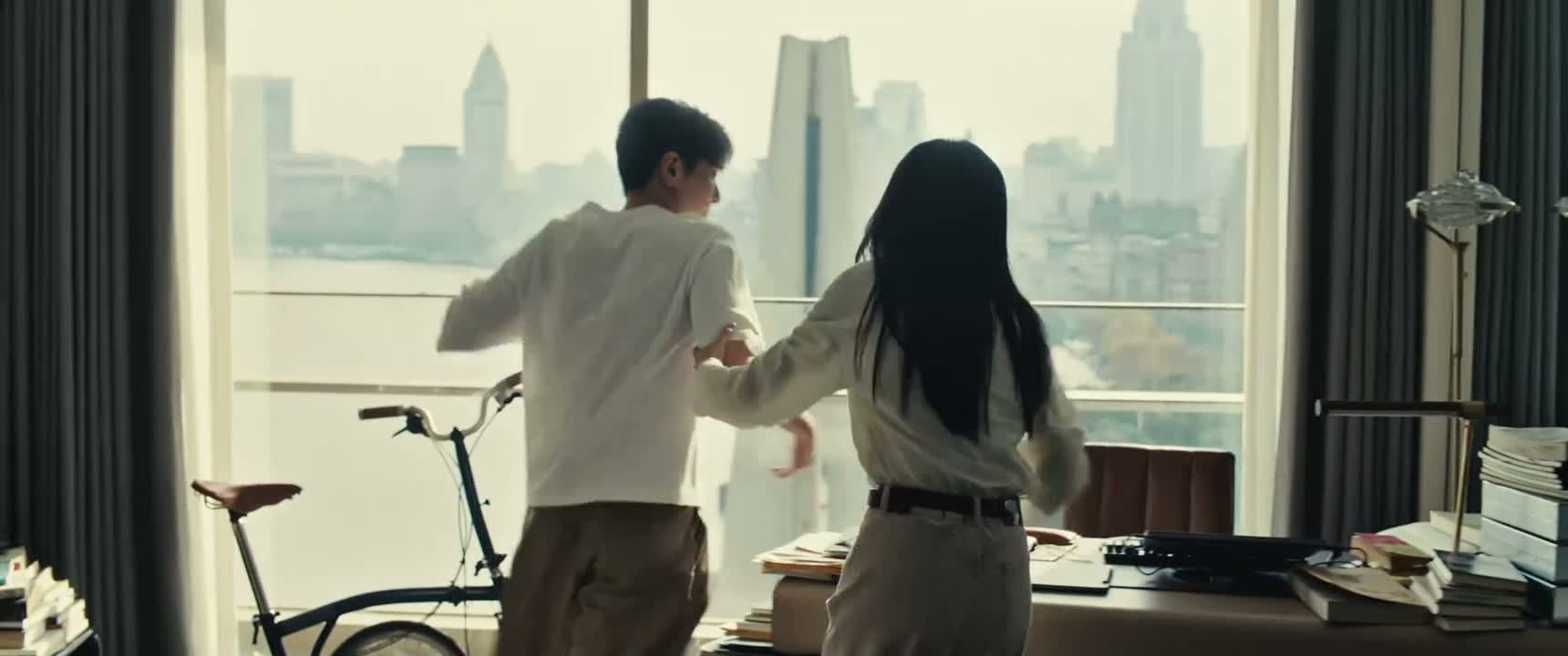
“You'll run out of time again and get rushed.”

“(But I don't think it'll work this year)”

“So eager, isn't she?”
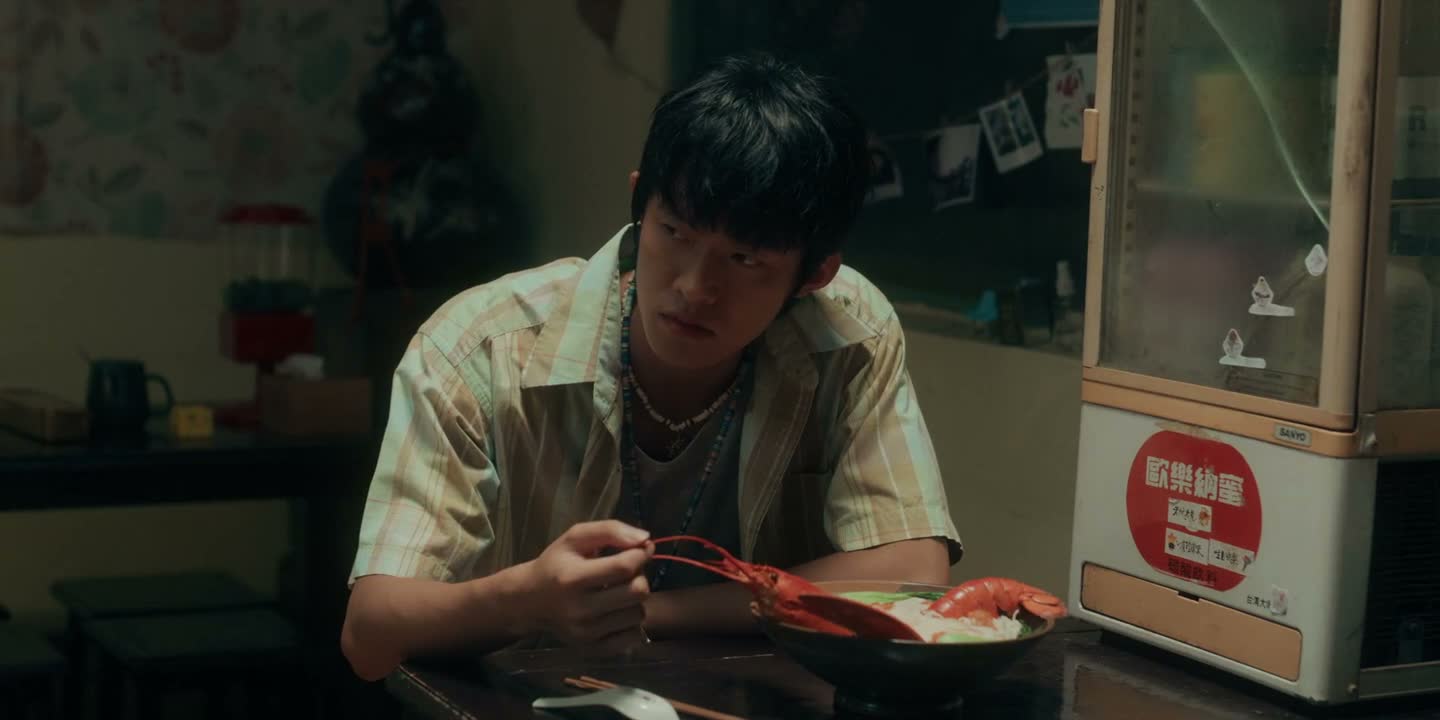
“Will he be late?”

“If we don't leave now, it'll be too late!”
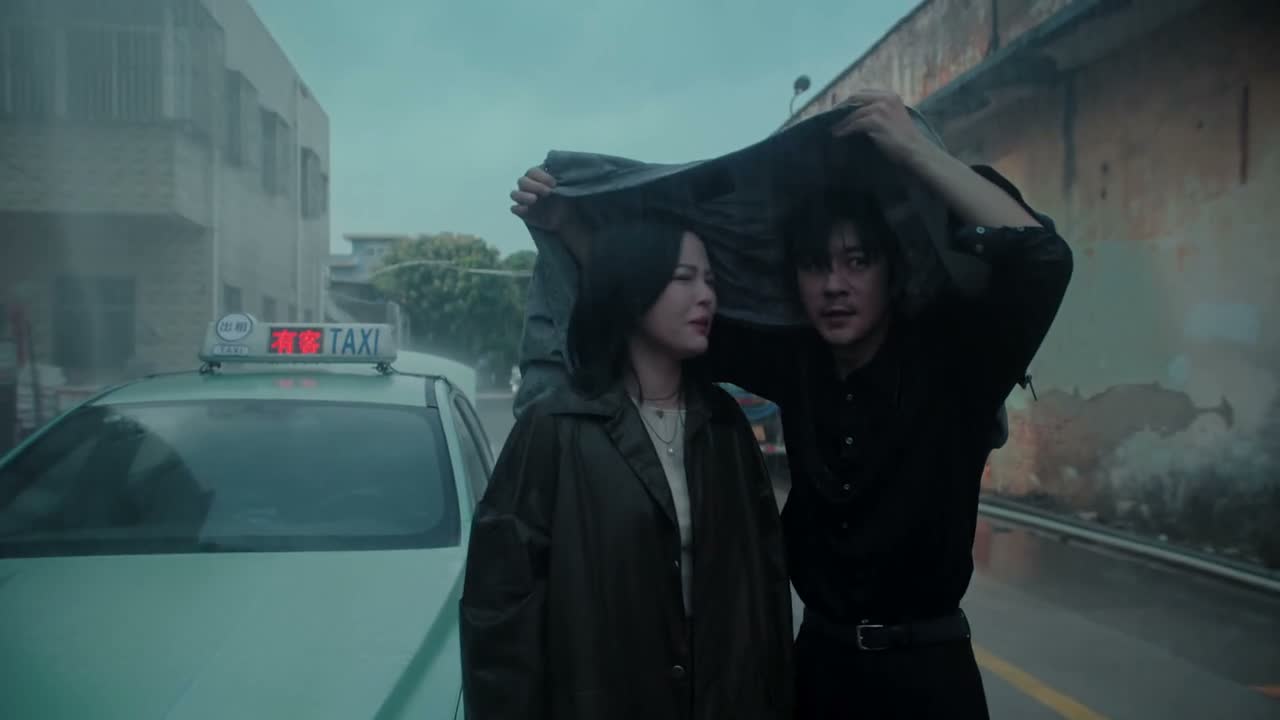
“I'm afraid we won't make it on time.”
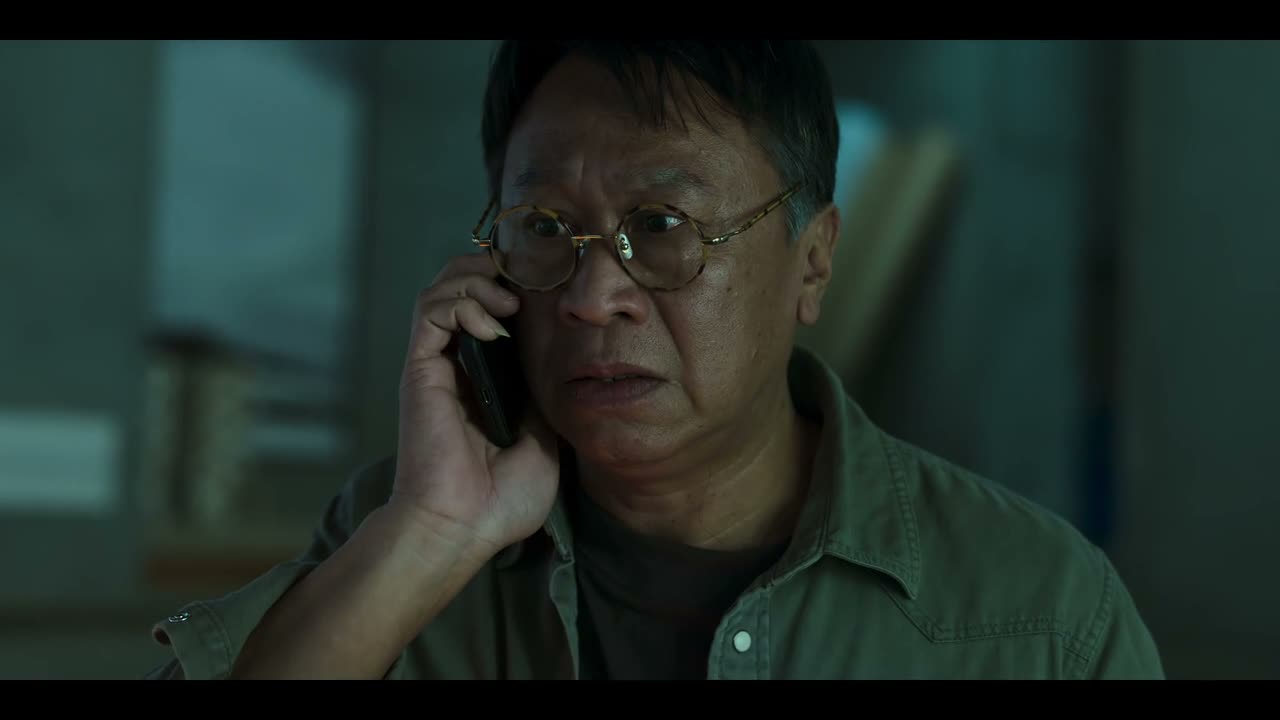
“Go now, or it will be too late.”

“It's too late to talk about it now.”
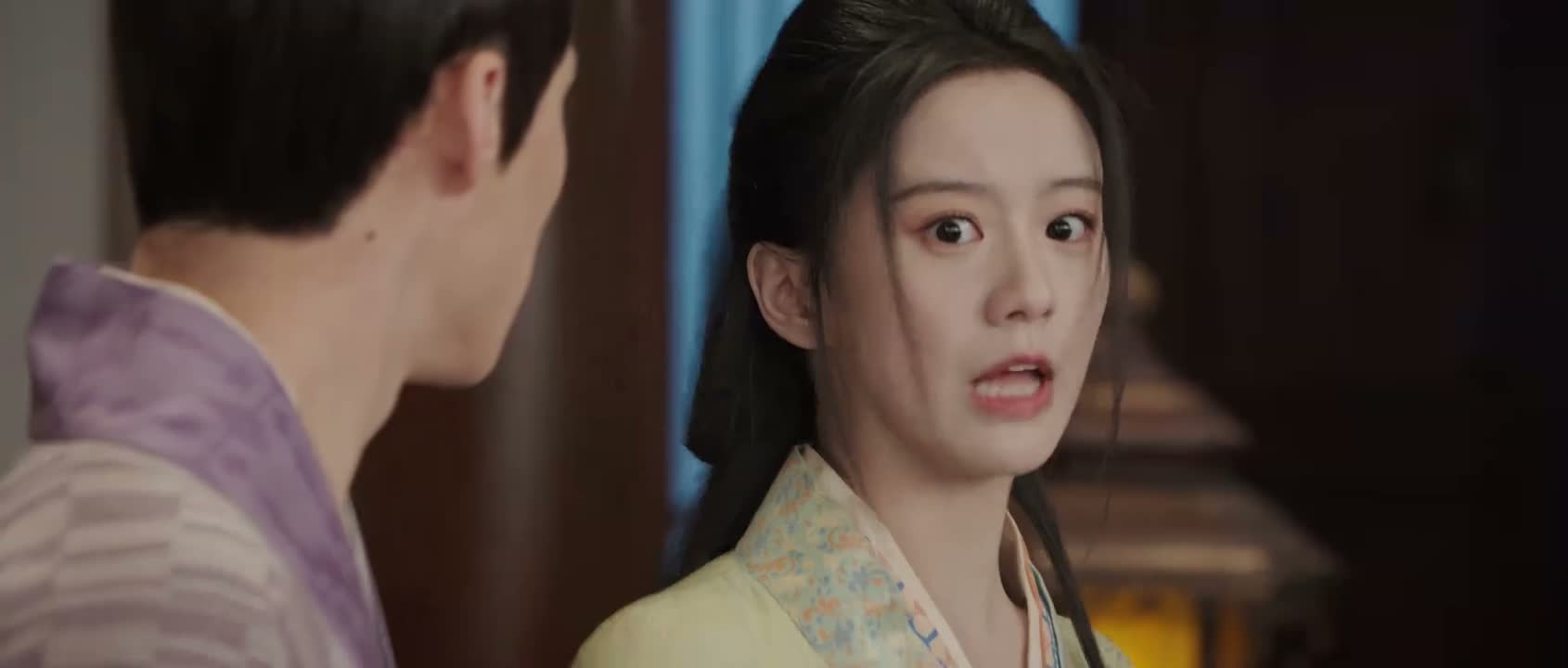
“There's no time. Save him first.”

“it'll be too late. It's over.”
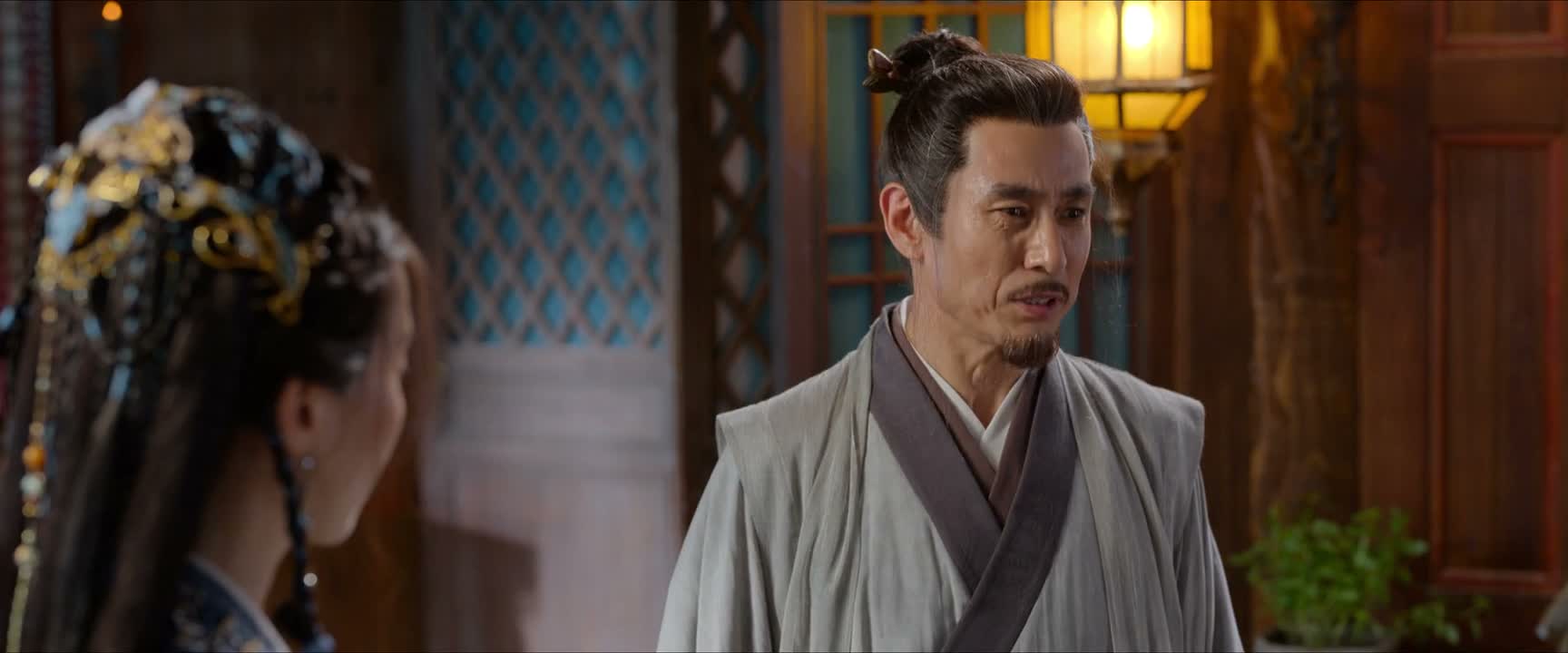
“If we don't get in now, it'll be too late.”

“So you have to risk your life? Every one of you wants”

“Too late. We don't have time. Qingsong.”

“I know it's too late now. What a pity.”

“I couldn't make it in time to watch and learn.”
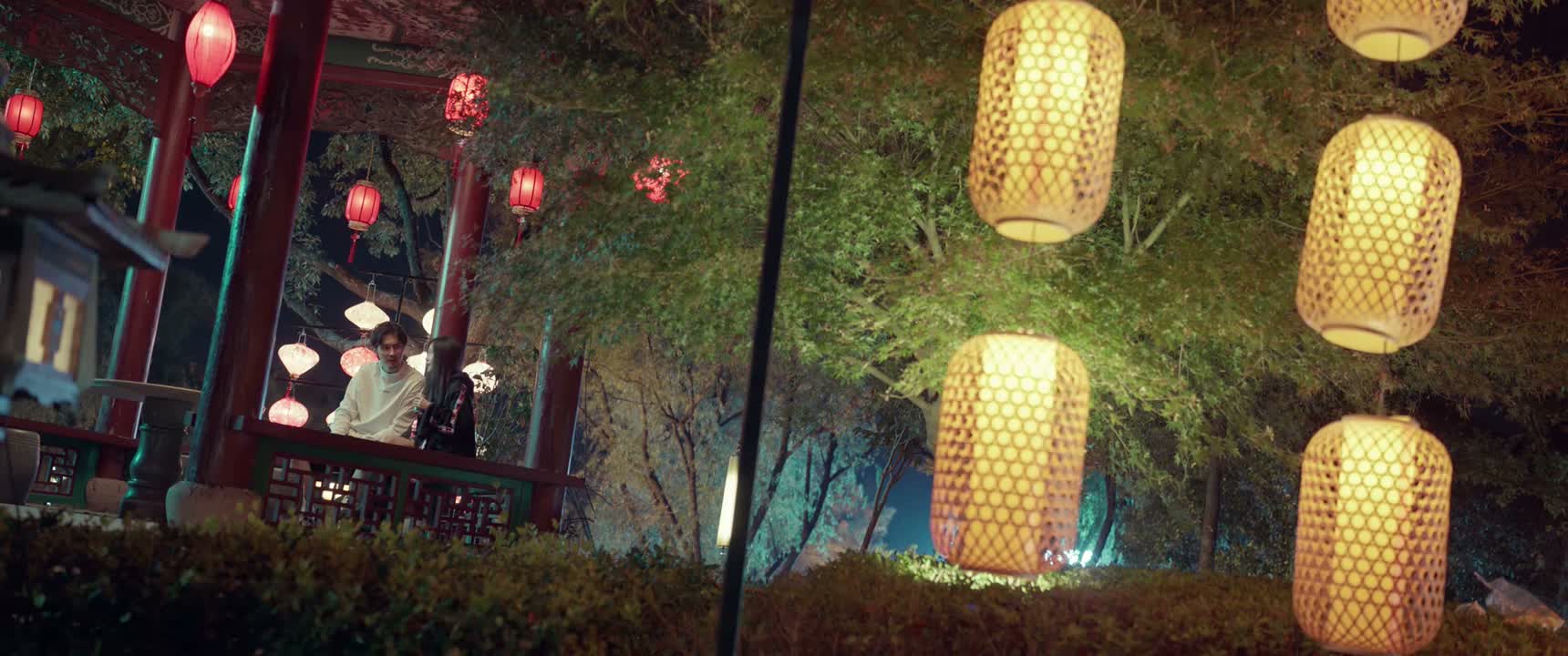
“Too late for that, Mr. Gong.”

“There's no time. Kill him and push him out!”

“We'll miss it. Haven't finished yet.”

“to regret it now.”

“No time, hurry up.”

“It's too late, Cousin. They will quickly clean up the evidence and escape.”

“We can't wait any longer.”

“It can't be helped.”

“Hurry, we're running out of time. We've arrived?”
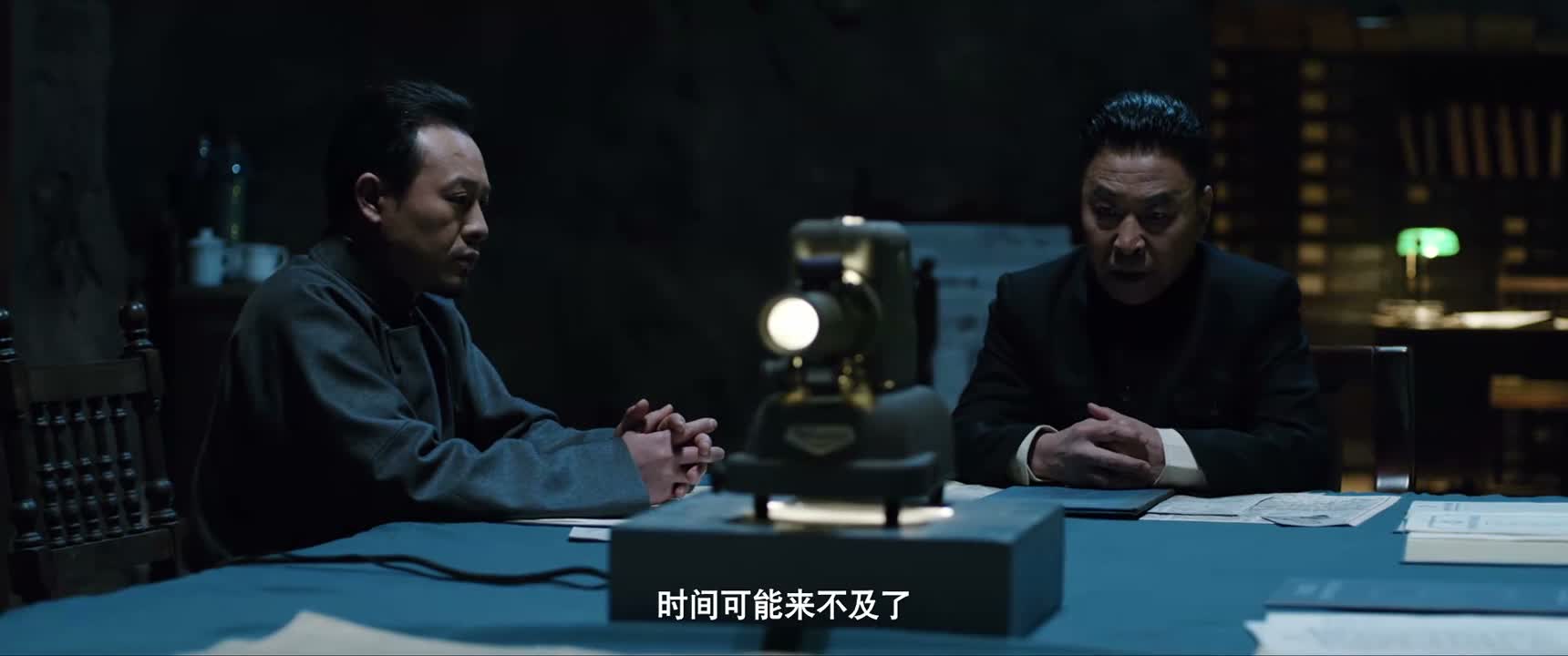
“Time may be running short.”
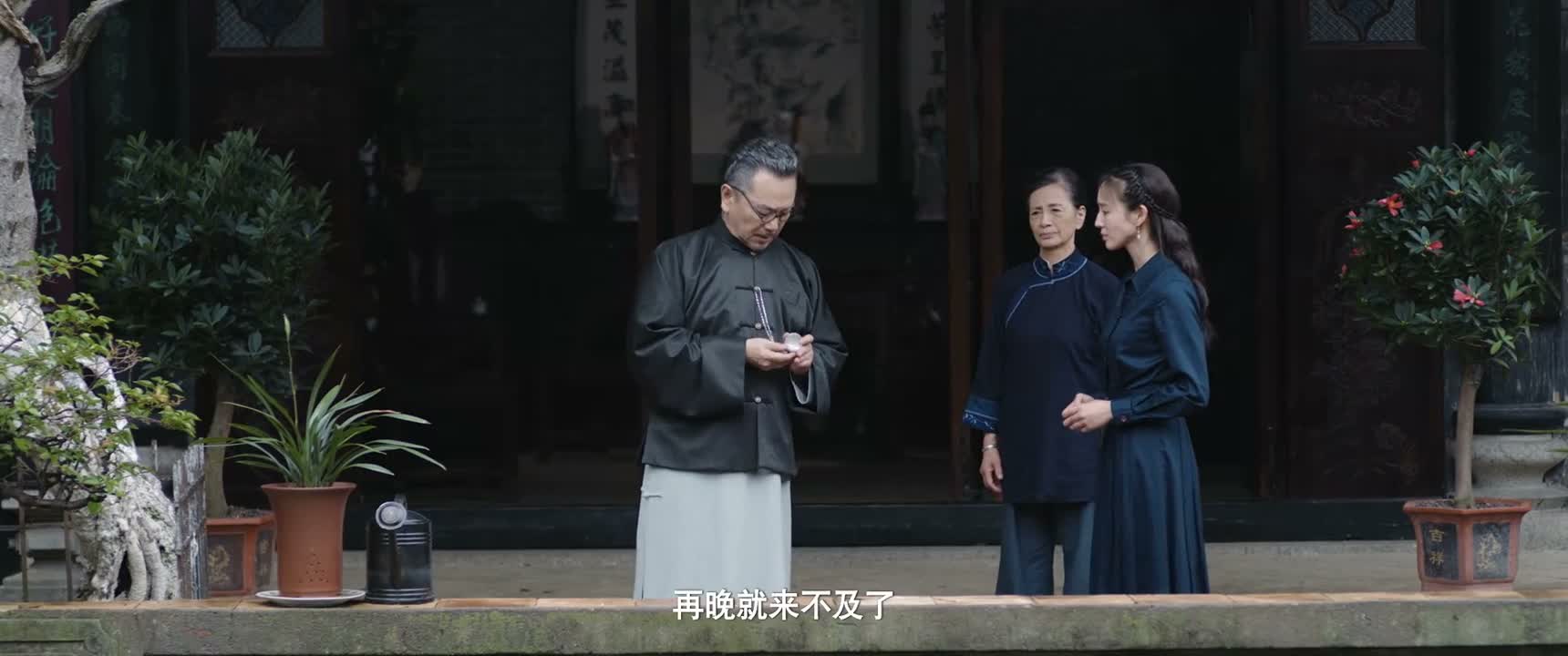
“Any later and it'll be too late.”

“It's too late for you to know that now.”

“to Yanshou Ward to kill Cui Manshu.”

“I won't make it if I don't leave now.”