没生意的时候 还可以回来照顾家 你有什么可怕的
“When there's no business, you can come back and take care of the family. What are you afraid of?”
THE DIALOGUE REEL
还不用天天上班
“You don't have to work every day.”
没 生意 的时候 还可以 回来 照顾 家 你 有什么可怕的
“When there's no business, you can come back and take care of the family. What are you afraid of?”
“If I go out to work, who's going to manage this big house?”
“Stop making excuses; there is zero risk here and you can easily handle both work and home.”
In Chinese family dynamics, especially for women transitioning into the workforce, there is often tension regarding who will 'manage the household' (操持家务). Flexible, small-scale entrepreneurship is frequently pitched as an ideal compromise.
LEARNING CHUNKS & PARTICLES
to have no business / slow business
Commonly used by shopkeepers or freelancers when there are no customers or deals.
to take care of the family or household
Used in everyday conversation to describe managing domestic duties and looking after family members.
what is there to be afraid of?
A rhetorical question used to reassure someone or challenge their hesitation by implying a situation is completely safe or manageable.
Used at the end of the rhetorical question structure '有什么...的' to emphasize certainty and downplay the severity of the fear.
VOCABULARY & EXPRESSIONS
Parallel Spoken Cinema Scenes (语义近邻切片)

“You fail at business, and you fail to keep your family together.”

“Your business looks good. Not bad.”

“So, making a living won't be a problem for me.”

“But I'm doing other business recently. So I don't have time to take care of this stall now.”
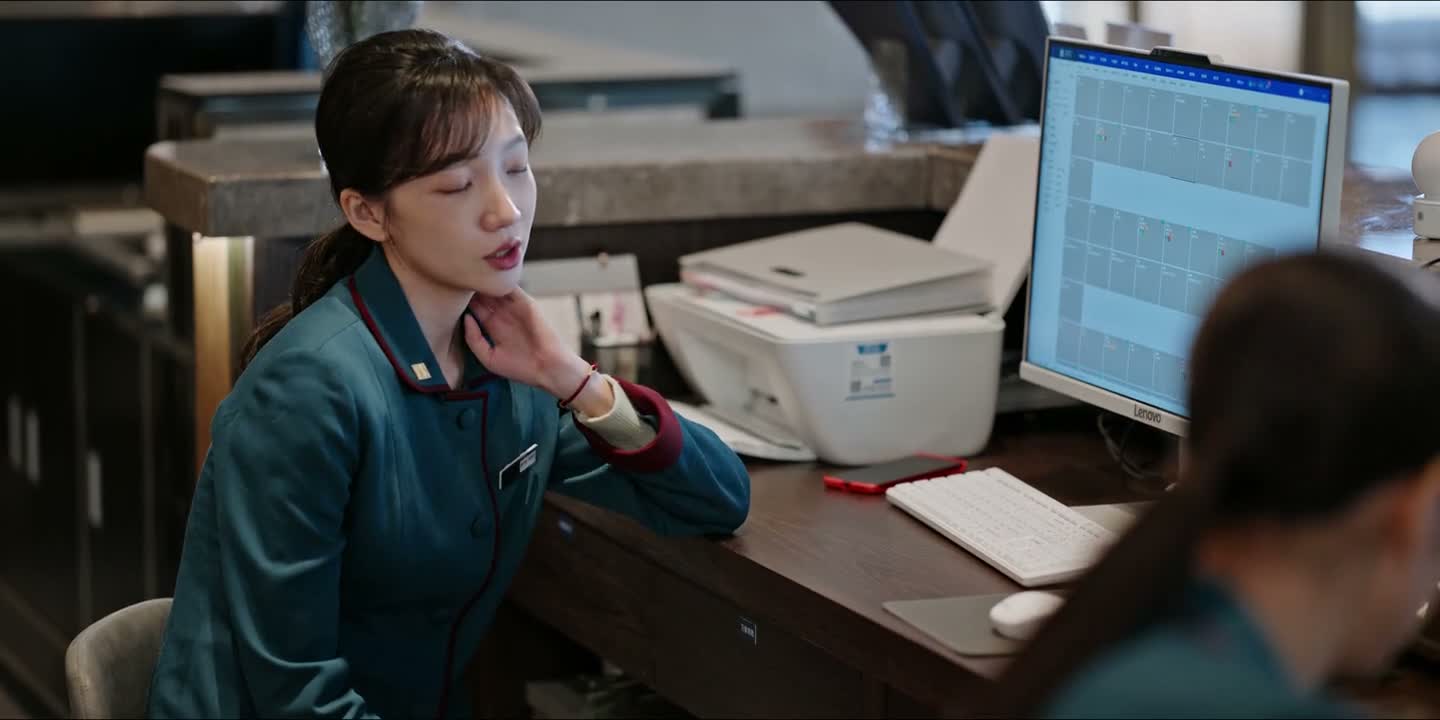
“Having business is better than having none.”

“Our family doesn't need to rely on her to make a living!”