难道这就没错吗
“Is that really not wrong?”
THE DIALOGUE REEL
谋害同门
“and harmed your fellow sect members.”
难道这就没错吗
“Is that really not wrong?”
“Don't try to justify yourself—you are clearly in the wrong.”
Harm done to peers within the same martial or philosophical sect is considered an unforgivable moral violation in Chinese traditional culture.
LEARNING CHUNKS & PARTICLES
could it be that; do you mean to say
Used at the beginning of rhetorical questions to express disbelief, reproach, or strong doubt.
not wrong; blameless
Frequently used to indicate correctness, but negated here in a rhetorical structure to stress culpability.
Marks the rhetorical question, converting the statement into an accusatory challenge.
VOCABULARY & EXPRESSIONS
Parallel Spoken Cinema Scenes (语义近邻切片)

“That's right.”

“Exactly. That's the spirit.”

“That's precisely what we need.”
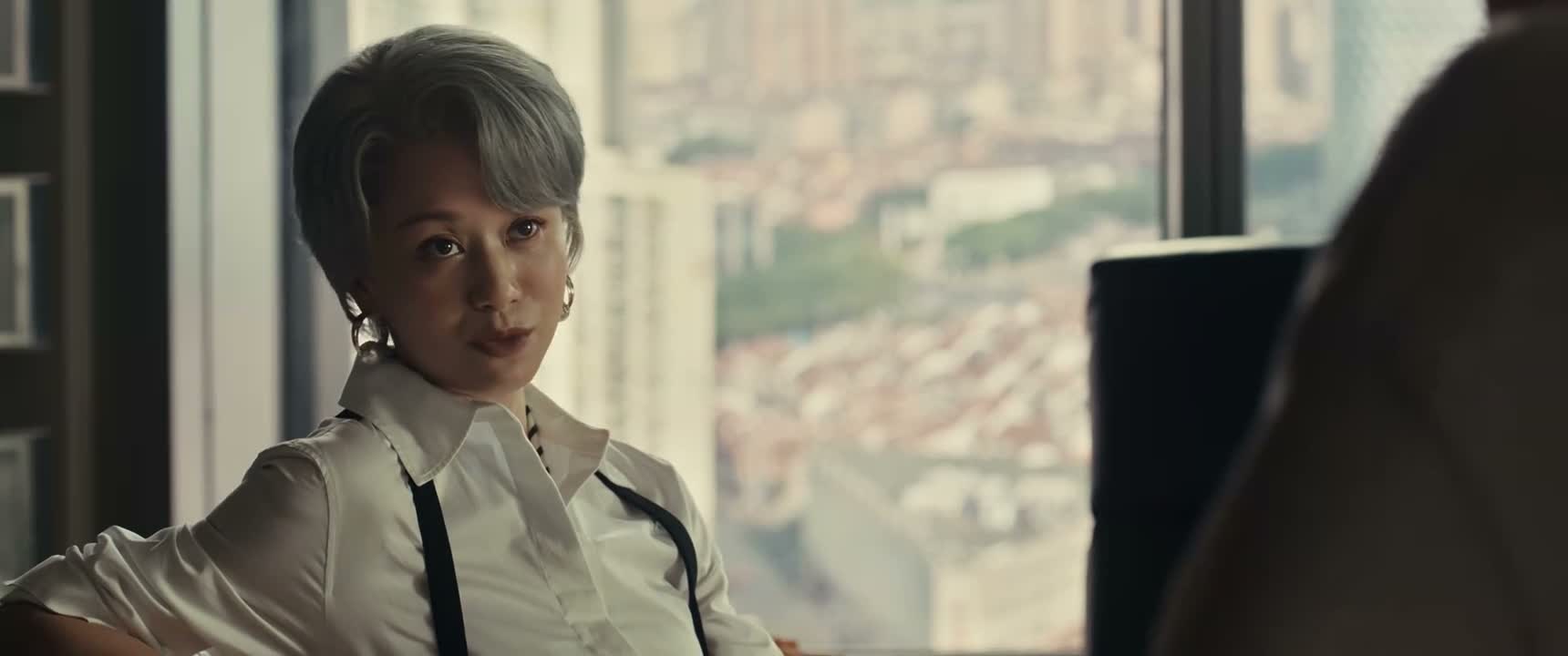
“But you don't mind, do you? Fair point.”

“think so?”
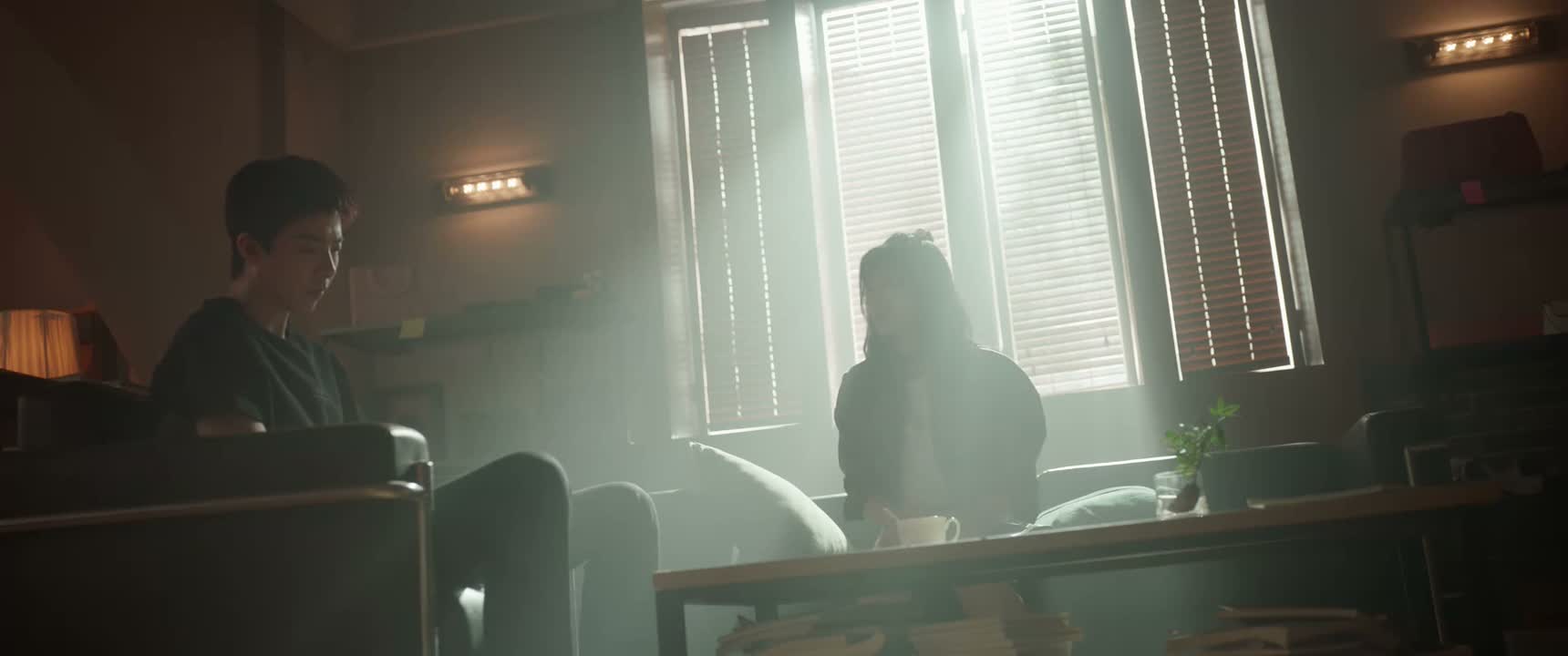
“Isn't that solid proof?”