大吉
dà jíCommon spoken expression used by native Chinese speakers in daily life.
[Scene: 职场工作]
(7 clips) 00:02
(我们的合作需要保密) ── Previous context
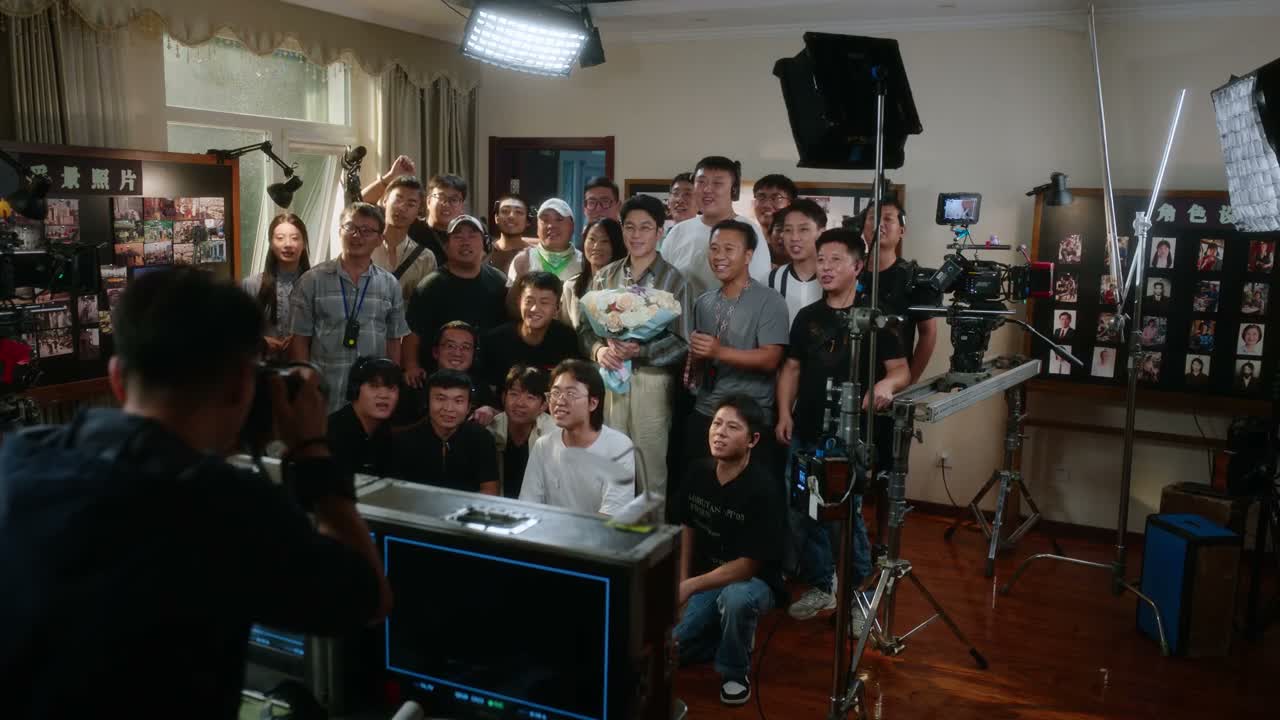
“Hu Xiu, good luck back at work. Good luck back at work.”
 00:02
 00:02
(我试着帮你说服一下他们啊) ── Previous context
“I don't want my family's place to go out of business either.”
 00:02
(我跟你说) ── Previous context
“Don't think everything's fine just because you're back at work.”
 00:03
(新年快乐 新年快乐 新年快乐 谢谢夏总) ── Previous context
“Happy New Year, Ms. Xia. Happy New Year to you too. Let it be a fantastic year. Thank you.”
 00:02
(谢谢 新年好 新年好 谢谢夏总) ── Previous context
“Happy New Year. Let there be a great start. Is Chen in there?”
 00:03
(夏总 新年好 新年好 新年好 开工大吉 谢谢) ── Previous context
“Happy New Year. Thanks, Ms. Xia. Wishing us all a productive year. Happy New Year.”
[Scene: 商务沟通]
(5 clips)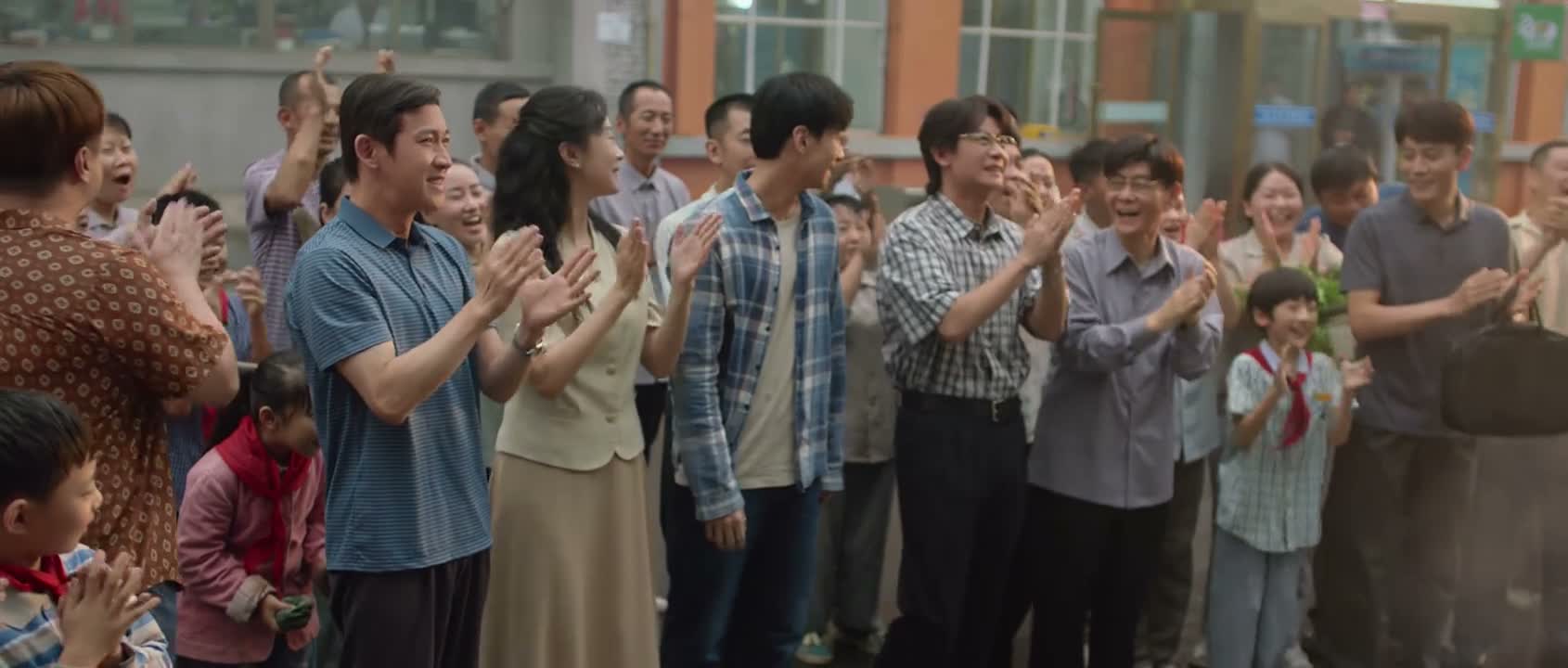 00:02
 00:02
 00:02
 00:03
 00:02
[Scene: 其他场景]
(2 clips) 00:02
 00:02
(你臭不要脸 没有没有没有 我们打电话过来就是想) ── Previous context
“to congratulate you. Call you next time.”
[Scene: 历史宫廷]
(2 clips) 00:03
(别怕) ── Previous context
“You drew an auspicious hexagram. I knew I'd be fine.”
 00:03
[Scene: 社交聚会]
(2 clips) 00:02
 00:02
(人家这广东人是讲究 你说你这开业 还给我们红包) ── Previous context
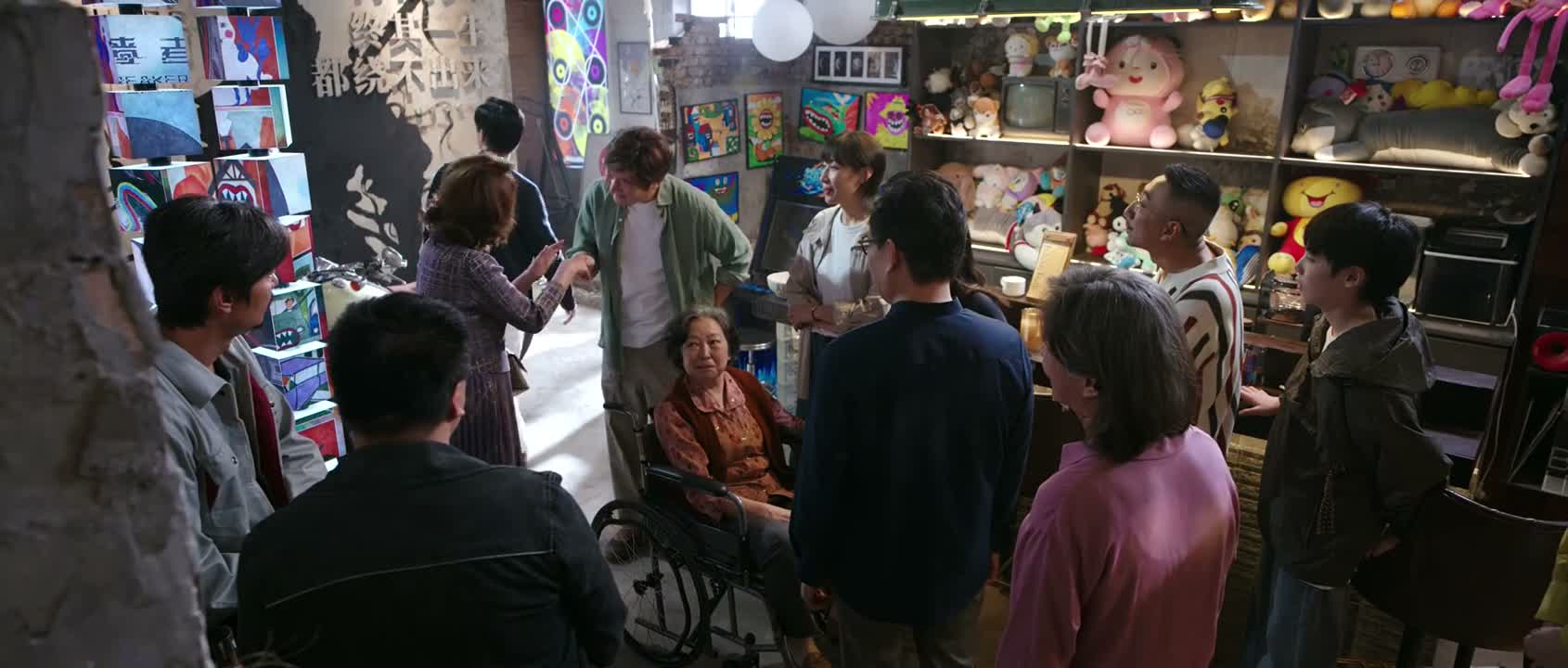
“Then I wish you a grand opening! May your business be booming, like its name.”
📌 新年好
→Nuance: 同为开工向夏总拜年感谢,可互换
📌 新年快乐
→Nuance: 新年开工向领导拜年问候
📌 红红火火
→Nuance: 开业吉利祝贺同义互换
📌 谢谢
→Nuance: 同为开工向夏总拜年感谢,可互换
📌 生意兴隆
→Nuance: 开业贺词的同类地道变体
📌 生意兴隆
→Nuance: 开业贺词核心祝福意图完全一致
📌 好啊
→Nuance: 同为道贺兼问候场景