耽误时间
dān wù shí jiānCommon spoken expression used by native Chinese speakers in daily life.
[Scene: 其他场景]
(3 clips) 00:03
(又没法抵赖了 对 所以我猜) ── Previous context
“he must have hidden it in a secret place. Then let's not waste time.”
 00:02
(你们警察破不了案) ── Previous context
“You cops can't solve the case, and now you're wasting our time?”
 00:03
(现在全船都在搜捕你) ── Previous context
“Could you not just listen to me for once? If you keep wasting time,”
[Scene: 职场工作]
(3 clips) 00:03
(不是师兄不想给你钱 你那个稿子质量太差了) ── Previous context
“I had someone else translate it again. It even delayed the submission.”
 00:02
(带上专业的设备 不是 镇长 你走这一圈流程) ── Previous context
“That bureaucratic process will take forever! Right now,”
 00:03
(跟了我这么长时间 我身上那点美德你都学不到) ── Previous context
“Alright. Get it out as soon as I've signed it. Don't hold things up.”
[Scene: 警匪刑侦]
(2 clips) 00:03
(我们就问点儿情况) ── Previous context
“You've delayed us for so long. Sorry, sorry. I didn't know.”
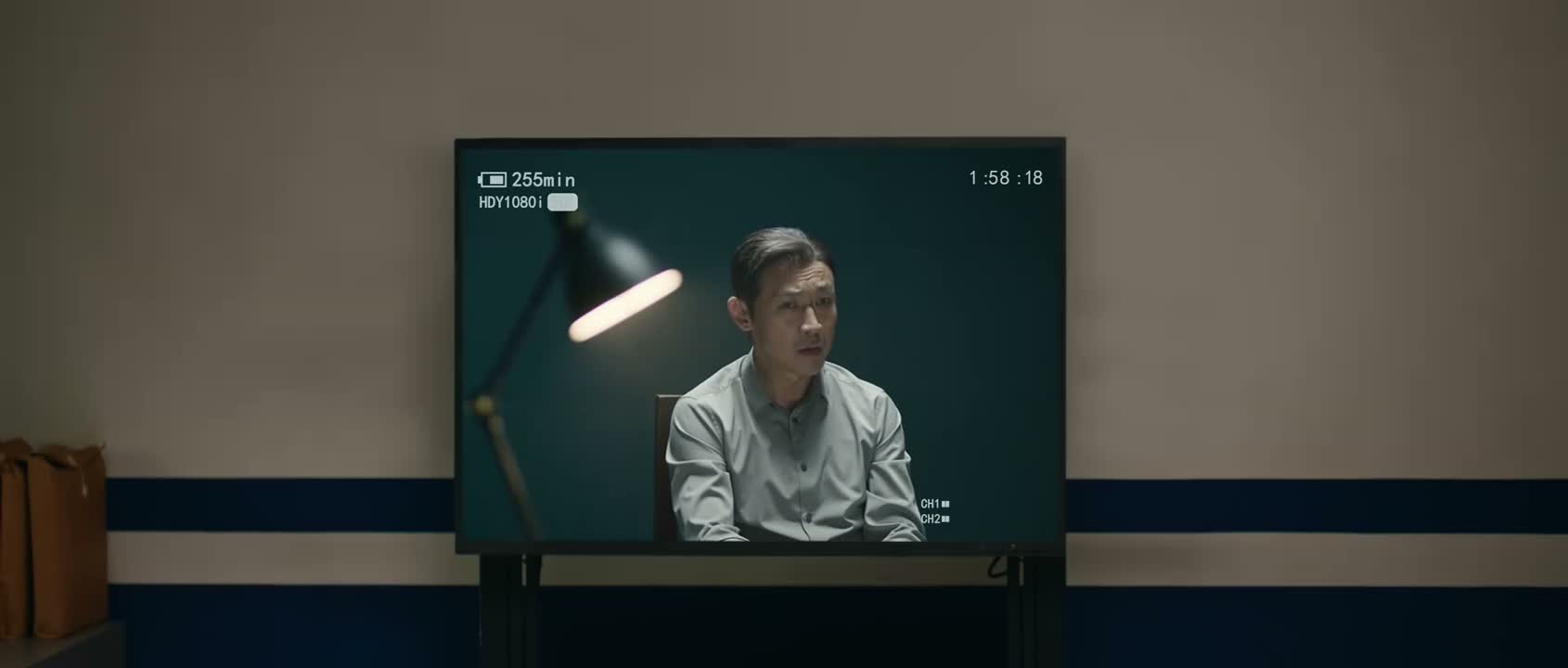 00:02
(刚进来的时候) ── Previous context
“When he first came in, he wasted time chit-chatting with me.”
📌 你赶紧
→Nuance: 同向近义词根配对: [抓紧 ↔ 赶紧]
📌 对不起
→Nuance: 核心交际意图均为责备耽误时间
📌 抓紧时间
→Nuance: 同向近义词根配对: [抓紧 ↔ 赶紧]
📌 不好意思
→Nuance: 同向近义词根配对: [对不起 ↔ 不好意思]
📌 不知道
→Nuance: 核心交际意图均为责备耽误时间
📌 毕竟
→Nuance: 同向近义词根配对: [时间 ↔ 时日]
📌 赶紧
→Nuance: 同向近义词根配对: [抓紧 ↔ 赶紧]
📌 好意思
→Nuance: 同向近义词根配对: [对不起 ↔ 不好意思]
📌 人家
→Nuance: 抱怨浪费时间的意图完全一致
📌 真是
→Nuance: 同指闲聊耽误时间,意图一致