顶嘴
dǐng zuǐCommon spoken expression used by native Chinese speakers in daily life.
[Scene: 其他场景]
(3 clips)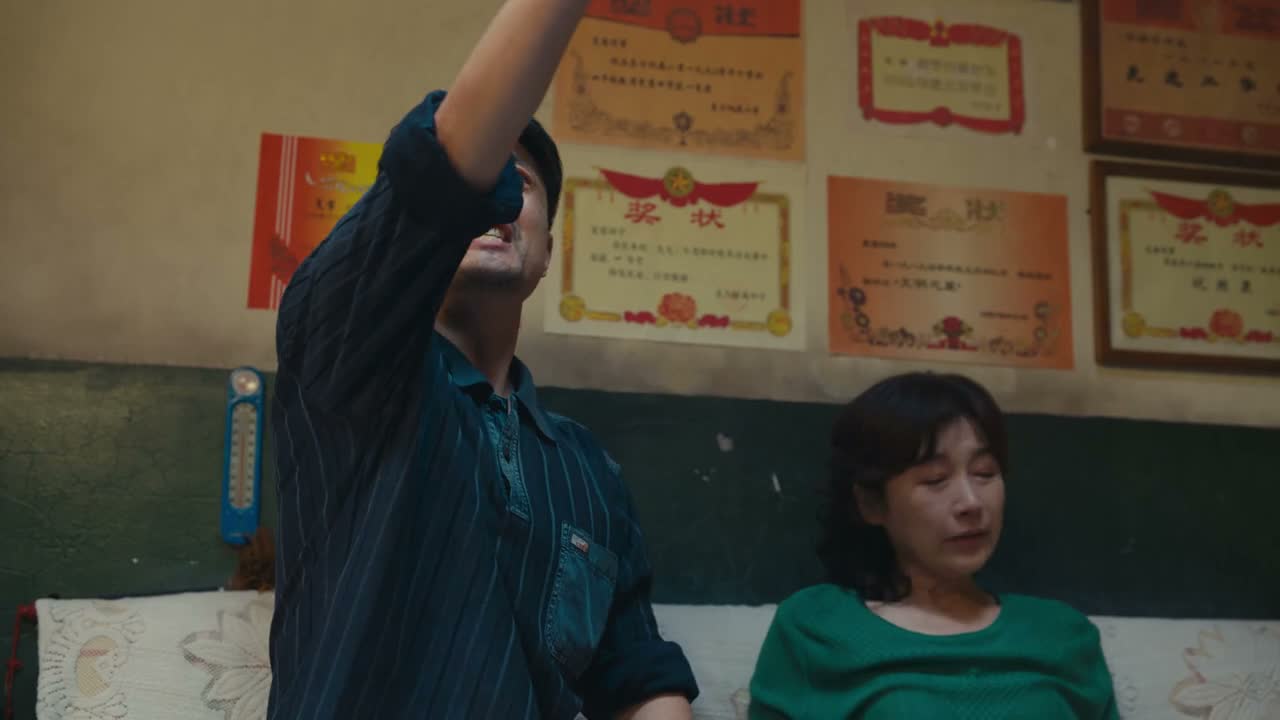 00:02
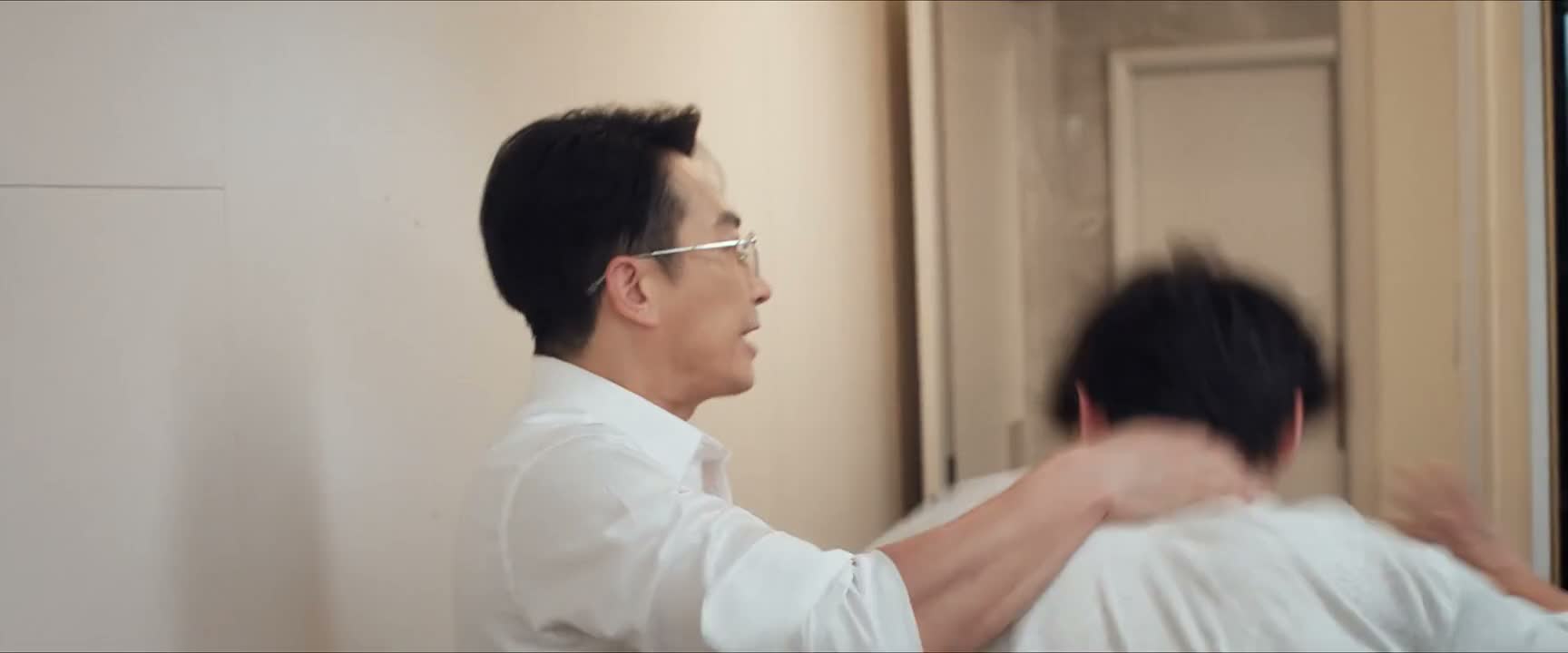 00:02
(不是轮不到我做主吗 我要去我能做主的地方 好) ── Previous context
“You've got the nerve to talk back to me now,”
 00:03
(你还想逛啊 你想把这商场给逛脏了呀) ── Previous context
“Are you something clean yourself? Talking back?”
[Scene: 家庭日常]
(3 clips)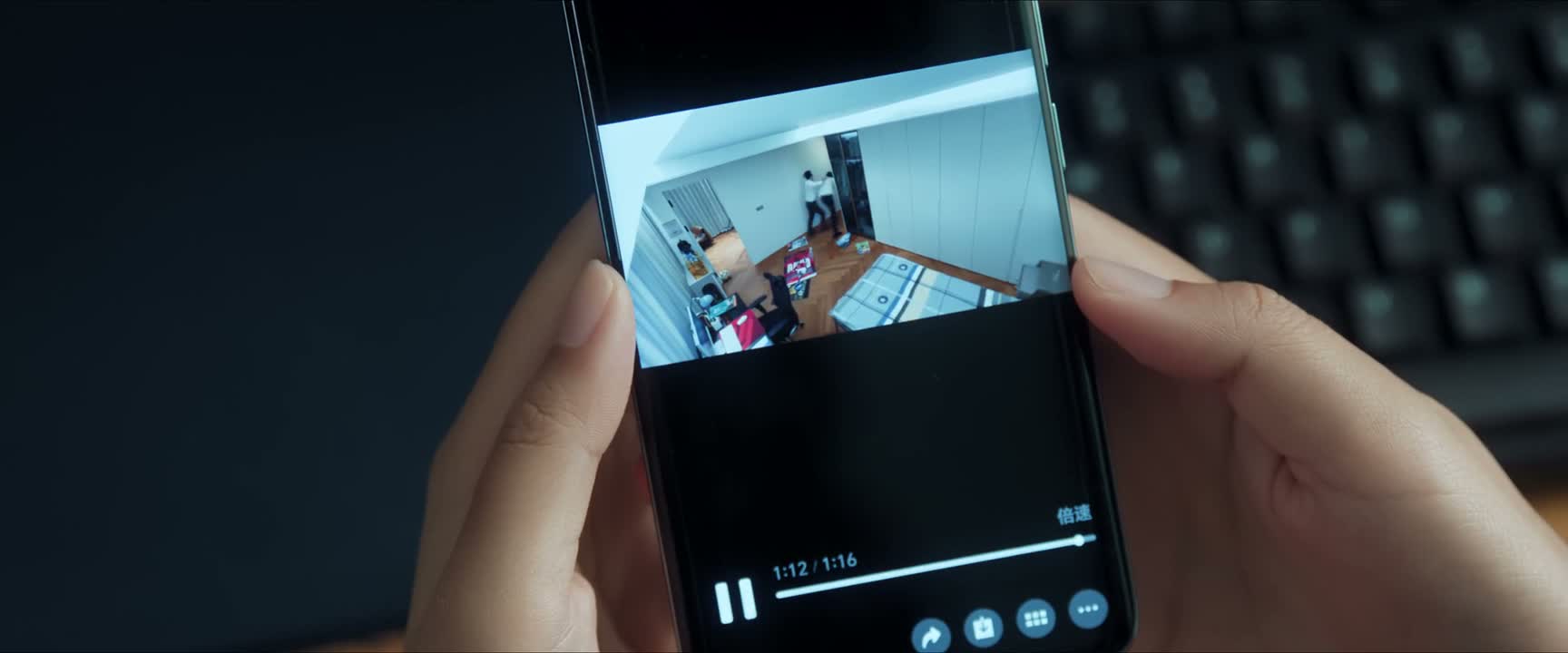 00:02
(我跟你说过很多遍 这个家还轮不到你做主 好) ── Previous context
“You've got the nerve to talk back to me now, huh? [Wen Chengye]”
 00:02
 00:02
[Scene: 其他场景]
(1 clips) 00:03
(就算他没欺负别人) ── Previous context
“with his bad temper and how he talked back to the teacher,”
[Scene: 职场工作]
(1 clips) 00:03
(马洋) ── Previous context
“Now you've even learned to talk back. If you're going to be like this,”
📌 是吧
→Nuance: 核心交际意图完全相同可互换
📌 好好休息
→Nuance: 同为劝阻长辈勿争吵顶撞
📌 休息吧
→Nuance: 同为劝阻长辈勿争吵顶撞
📌 说话
→Nuance: 责备对方说话难听,语用相近
📌 嘴严
→Nuance: 同向近义词根配对: [如果 ↔ 只要]
📌 是这样的
→Nuance: 责备对方顶嘴意图一致可互换
📌 你小子
→Nuance: 责备对方说话难听,语用相近
📌 你小子
→Nuance: 同义互换,加反问语气质问顶嘴
📌 别
→Nuance: 同为劝阻长辈勿争吵顶撞
📌 要是
→Nuance: 责备对方顶嘴意图一致可互换