好好休息
hǎo hǎo xiū xīCommon spoken expression used by native Chinese speakers in daily life.
[Scene: 其他场景]
(7 clips) 00:02
(心态好了 身体才能好) ── Previous context
“Just get plenty of rest, and cooperate with the doctors.”
 00:02
 00:02
 00:03
(小月 小月 小月 小月 小月 小月) ── Previous context
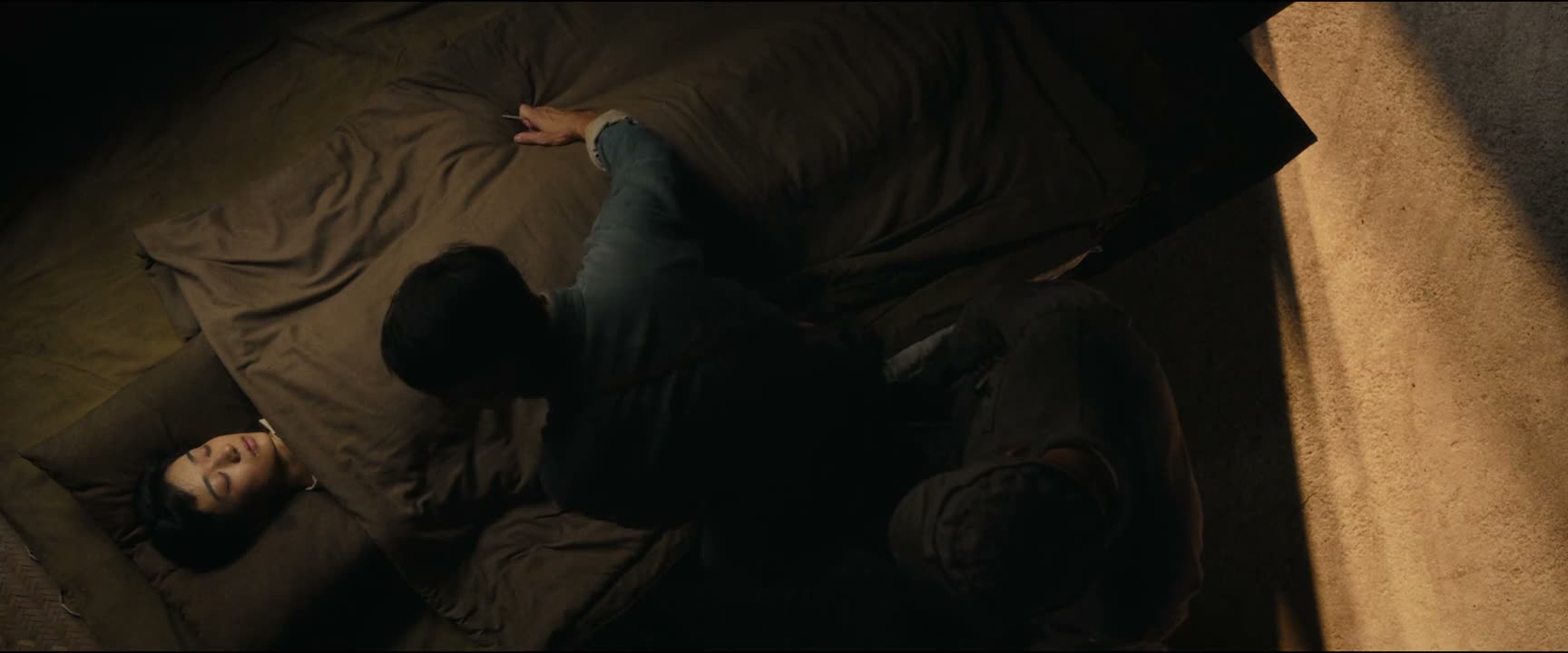
“It's nothing. She's just too weak. Let her get some good rest.”
 00:03
(我们先出去吧) ── Previous context
“Let the General rest. Yes, you should go. I'll stay with the General.”
 00:03
 00:03
[Scene: 其他场景]
(6 clips) 00:03
 00:02
 00:03
(你要走了吗) ── Previous context
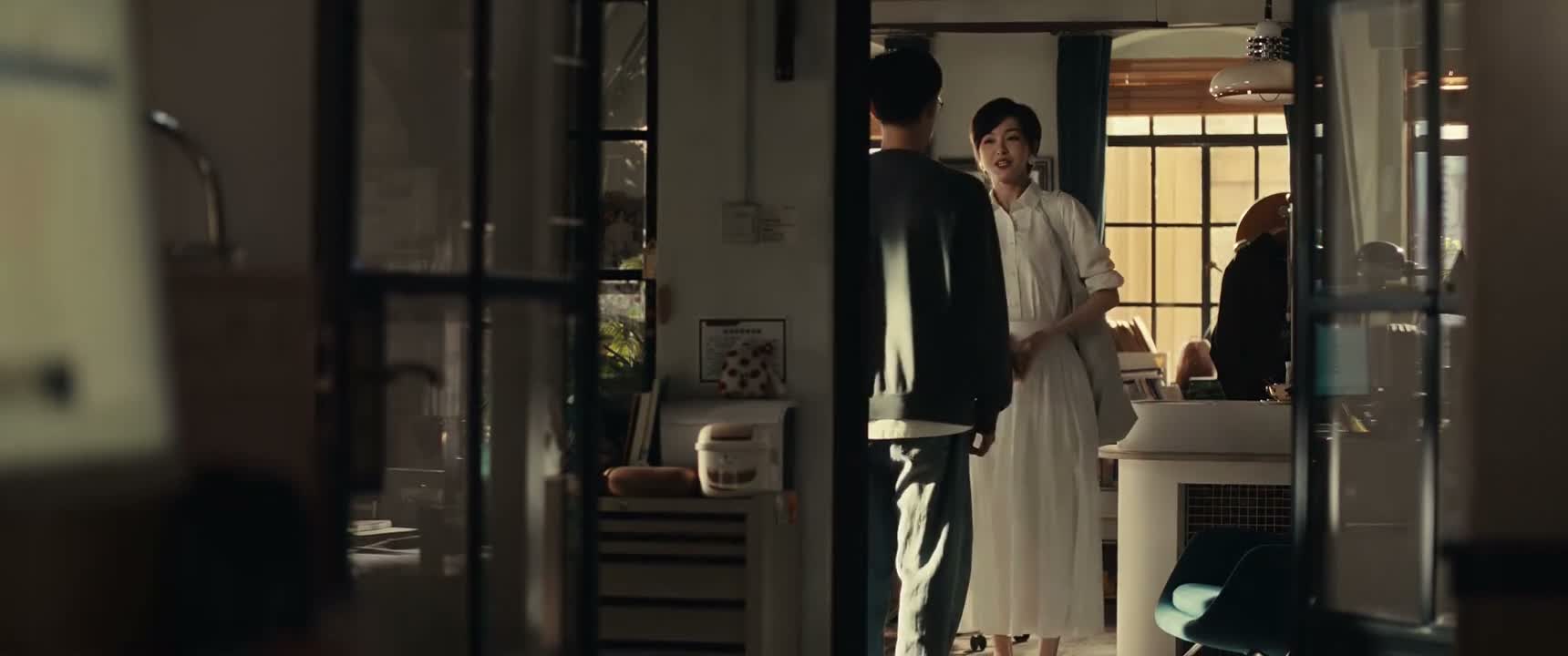
“One thing is finally off my mind. I'm going back to get some rest.”
 00:03
 00:03
(请进) ── Previous context
“Well, Ms. Qian, please get some rest. I won't disturb you any longer.”
 00:02
[Scene: 职场工作]
(6 clips) 00:02
(我再跟你对接时间 也谢谢你的红枣茶) ── Previous context
“You look much more energetic now. Get some good rest when you get back.”
 00:02
 00:03
(我们没约小林老师吗 没有 最近发生这么多事) ── Previous context
“We've discussed and agreed that Ms. Lin should take a good rest.”
 00:03
(这样) ── Previous context
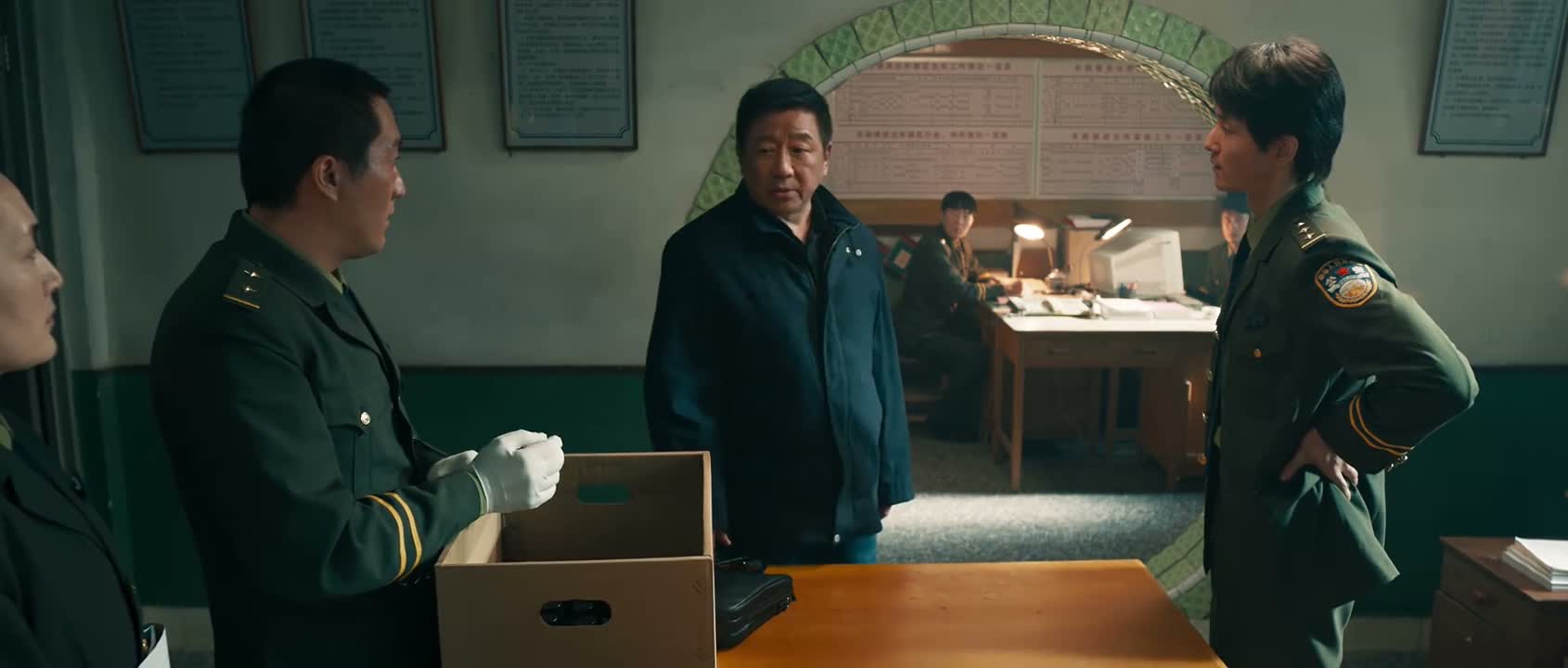
“Well, I'll talk to Xiao Yang about reducing your workload. So you can rest well, okay?”
 00:02
 00:02
[Scene: 家庭日常]
(4 clips) 00:03
(我嫂子今天不是夜班吗 怎么她没做饭) ── Previous context
“She's working night shift, so she needs to rest during the day,”
 00:02
 00:03
(害我睡了那么久) ── Previous context
“Didn't Wanzhi leave you a note? You need some good rest.”
 00:02
[Scene: 社交聚会]
(3 clips) 00:02
 00:02
 00:02
[Scene: 历史宫廷]
(2 clips) 00:02
 00:03
(王妃 您要不要紧) ── Previous context
“Should I call a physician to examine you? Let her rest first.”
[Scene: 出行交通]
(2 clips) 00:02
(你体能消耗太大 别去高铁站了) ── Previous context
“I think I'll still take the high-speed rail. That way I can get some rest.”
 00:03
(何必再提?) ── Previous context
“You've had a long journey. Why don't you try to get some rest?”
[Scene: 其他场景]
(1 clips) 00:03
📌 没事
→Nuance: 嘱咐休息,交际意图一致
📌 你赶紧
→Nuance: 劝导休息并遵医嘱,意图一致
📌 放心
→Nuance: 敬称且更关切,表达更客气委婉
📌 放心
→Nuance: 核心交际意图一致,劝慰对方休息
📌 不容易
→Nuance: 均建议让对方多休息
📌 小心
→Nuance: 提议同行与婉拒关怀完全一致
📌 抓紧时间
→Nuance: 同向近义词根配对: [抓紧 ↔ 赶紧]
📌 好吃
→Nuance: 核心意图皆为嘱咐回家休养身体
📌 什么时候
→Nuance: 提议同行与出于安全拒绝结构