懂不懂
dǒng bù dǒngCommon spoken expression used by native Chinese speakers in daily life.
[Scene: 家庭日常]
(5 clips) 00:03
 00:03
(让宝宝在最健康的环境里着床) ── Previous context
“From day one, we're aiming ahead of the curve. Do you understand?”
 00:03
(不能水洗 什么衣服不能沾水啊 纸糊的) ── Previous context
“It's cashmere. Do you know what that is? Mom, Ju.”
 00:03
(你这 头发咋弄个硬壳子 弄啥呢嘛) ── Previous context
“You silly old man. This is called fashion. Got it?”
 00:03
(妈不难过 你们这么懂事 妈高兴) ── Previous context
“Then see how sensible I am. Are you happy? Go away.”
[Scene: 其他场景]
(3 clips) 00:02
 00:03
(我不走 没退我钱我哪儿也不去 什么时候了) ── Previous context
“what matters more, money or your health? Deposits aren't refundable. That's common sense.”
 00:03
(大哥这是规矩 货到您手里 钱到我手里 不能退) ── Previous context
“This is the rule, you know? Nonsense! Take him away!”
[Scene: 其他场景]
(3 clips) 00:02
(我马上要过生日了) ── Previous context
“Don't you understand? I'm cleaning it for you right now.”
 00:03
 00:03
(你看她还有没有勇气回你) ── Previous context
“Most importantly, she's affecting our card game now. Do you understand?”
[Scene: 餐饮美食]
(3 clips) 00:02
 00:03
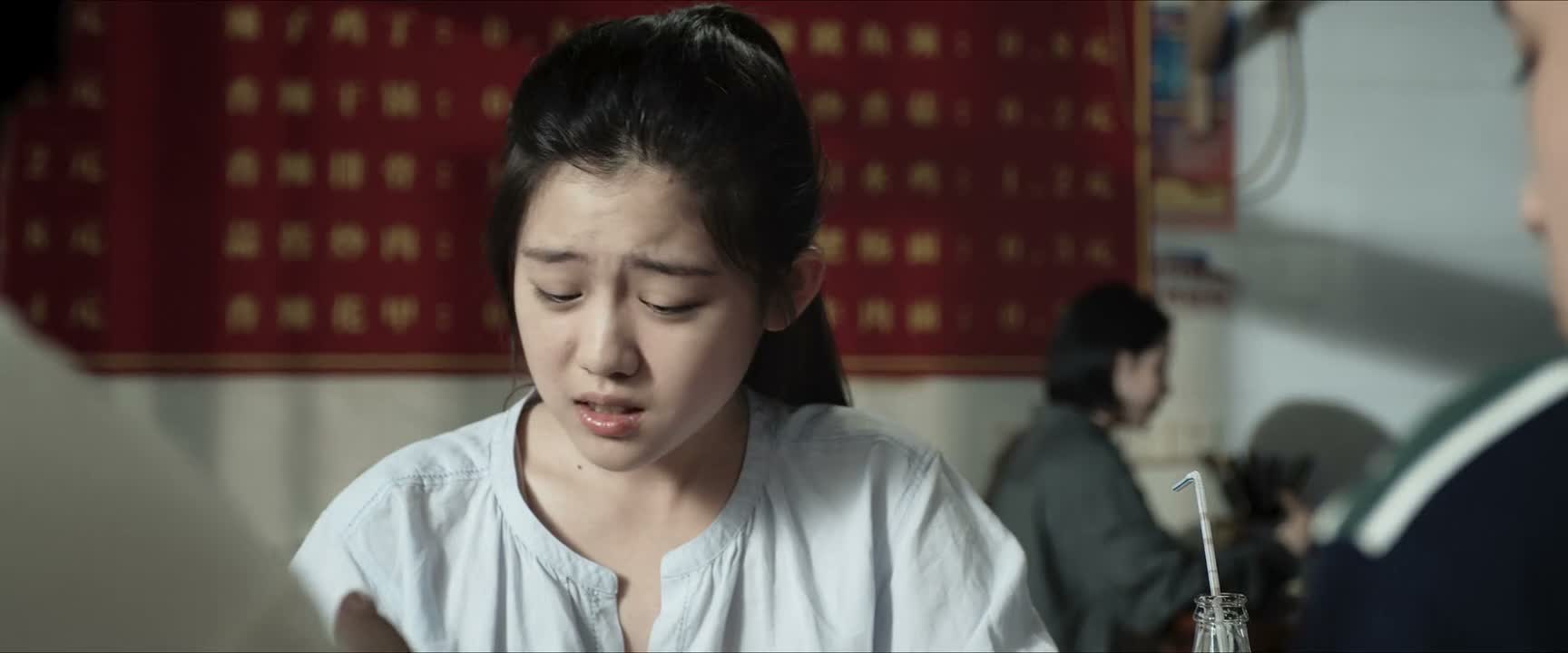 00:02
[Scene: 职场工作]
(2 clips) 00:02
(你们就当他还是秦宵一) ── Previous context
“We'll be acting together again in the future. Just be more natural, understand?”
 00:03
(你不精分地每天自己夸自己 是不是活不下去呀) ── Previous context
“I'm saving you. Don't you get it? She needs to know that what”
[Scene: 其他场景]
(1 clips) 00:02
📌 不知道
→Nuance: 核心交际意图相同,表达更生动
📌 不知道
→Nuance: 同向近义词根配对: [重要 ↔ 关键]
📌 干什么
→Nuance: 质问不守先来后到的规则
📌 人家
→Nuance: 同向近义词根配对: [明白 ↔ 懂]
📌 不是
→Nuance: 同为帮对方辩白,口吻较委婉幽默
📌 不是
→Nuance: 同向近义词根配对: [拯救 ↔ 解救]
📌 到底
→Nuance: 同向近义词根配对: [重要 ↔ 关键]