跟我去
gēn wǒ qùCommon spoken expression used by native Chinese speakers in daily life.
[Scene: 职场工作]
(5 clips) 00:02
 00:02
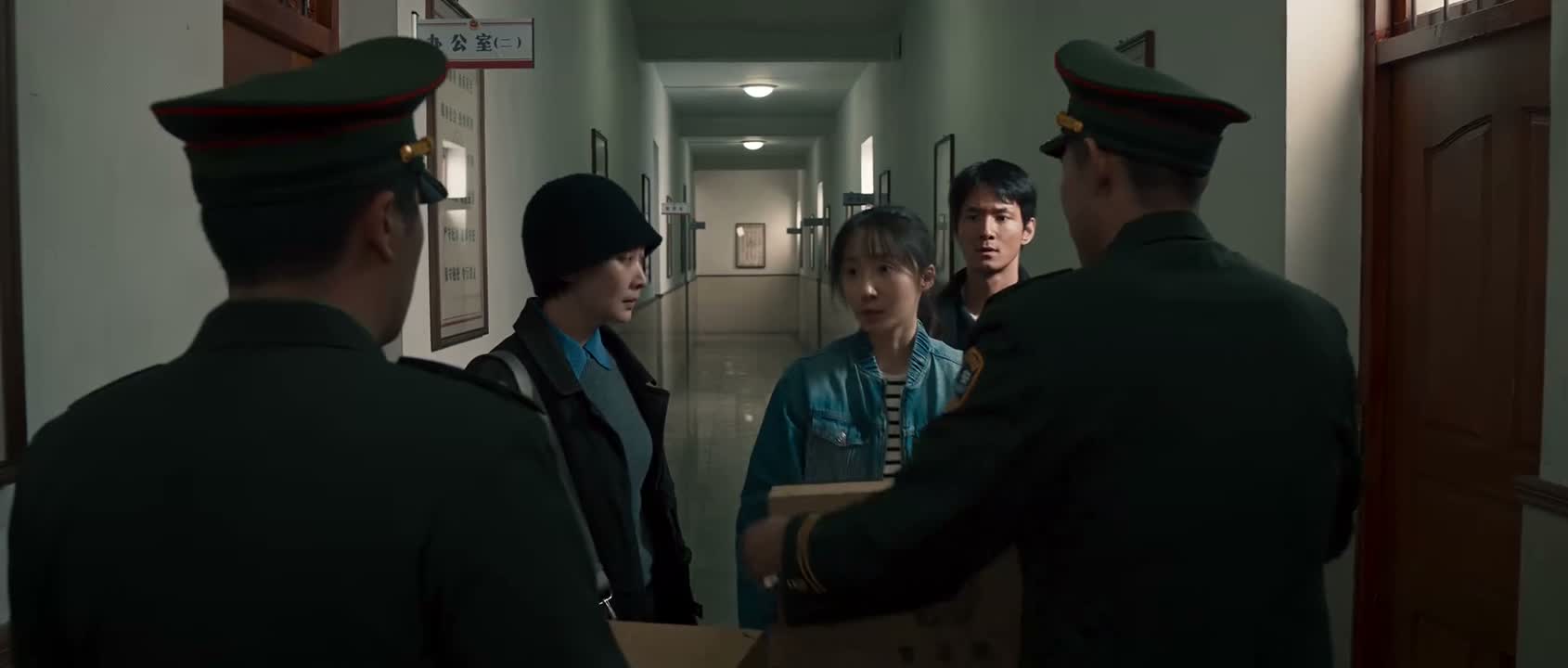
(你别胡说八道了 可能在服装间收拾服装呢吧 就是) ── Previous context
“- Right. - I'll check the costume shed. You, come with me.”
 00:03
(你们的发言让我很感动) ── Previous context
“I never expected you'd discuss this issue with such depth.”
 00:02
 00:02
[Scene: 其他场景]
(3 clips) 00:02
(我让你走了吗) ── Previous context
“Come with me to see Director Jin. I'd advise you to stay out of this.”
 00:03
(没长眼睛吗) ── Previous context
“I'm turning you in. No way. Look, I can't even get up.”
 00:02
[Scene: 其他场景]
(3 clips) 00:02
 00:02
 00:03
[Scene: 家庭日常]
(2 clips) 00:03
(我说你赶紧 把你妹弄走啊 她明天还要) ── Previous context
“with me again tomorrow. Do I have to help your mother babysit her every day?”
 00:03
(你去上你的班 我不用你管) ── Previous context
“How about this? Go with me to my wood carving studio.”
[Scene: 历史宫廷]
(2 clips) 00:03
(我说你 不但不想提高赋税 甚至还有变革之心) ── Previous context
“If you didn't have the welfare of the people at heart, you wouldn't have come with me”
 00:02
[Scene: 社交聚会]
(2 clips) 00:03
 00:02
📌 麻烦你
→Nuance: 同为请求办手续,方式略有不同
📌 办手续
→Nuance: 同为催办手续,表达更客气委婉
📌 对对对
→Nuance: 同向近义词根配对: [衣服 ↔ 服装]
📌 怎么样
→Nuance: 同为提议一起办手续且更委婉
📌 没想到
→Nuance: 同向近义词根配对: [这样 ↔ 这么]
📌 我没想到
→Nuance: 同向近义词根配对: [这样 ↔ 这么]
📌 来
→Nuance: 口吻更温和的邀约变体
📌 来
→Nuance: 同向近义词根配对: [公安局 ↔ 警察局]