矫情
jiǎo qíngCommon spoken expression used by native Chinese speakers in daily life.
[Scene: 家庭日常]
(5 clips) 00:03
(还怨天冷) ── Previous context
“I cook every day. How could I have time to study? Why so dramatic?”
 00:02
 00:03
(会坏的 它 它最起码也得) ── Previous context
“these need to be hand-washed. Is it really that serious?”
 00:02
 00:03
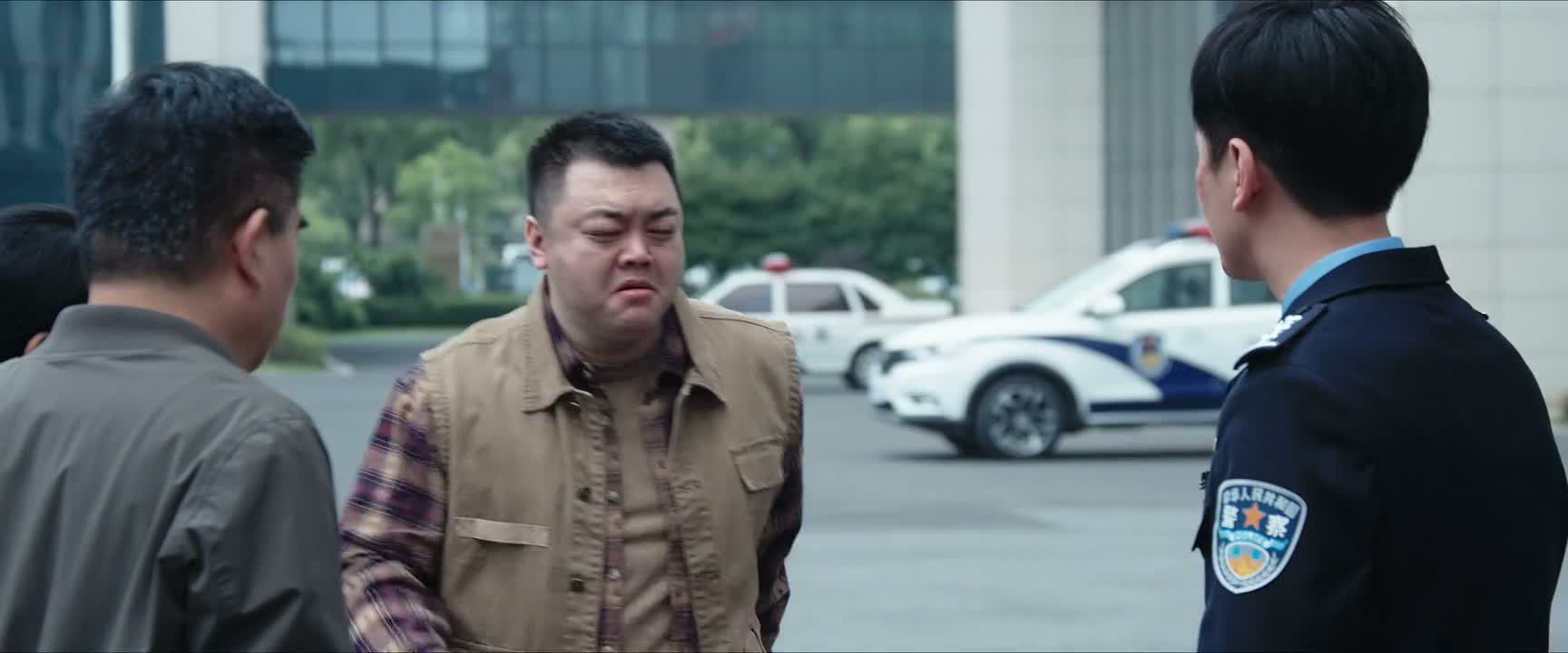
[Scene: 社交聚会]
(5 clips) 00:03
 00:02
 00:02
 00:02
 00:02
[Scene: 其他场景]
(3 clips) 00:02
 00:03
 00:03
(我 我 我没漏 我谁也没) ── Previous context
“If I were a man, would I make a fuss over a minor injury like this?”
[Scene: 职场工作]
(1 clips)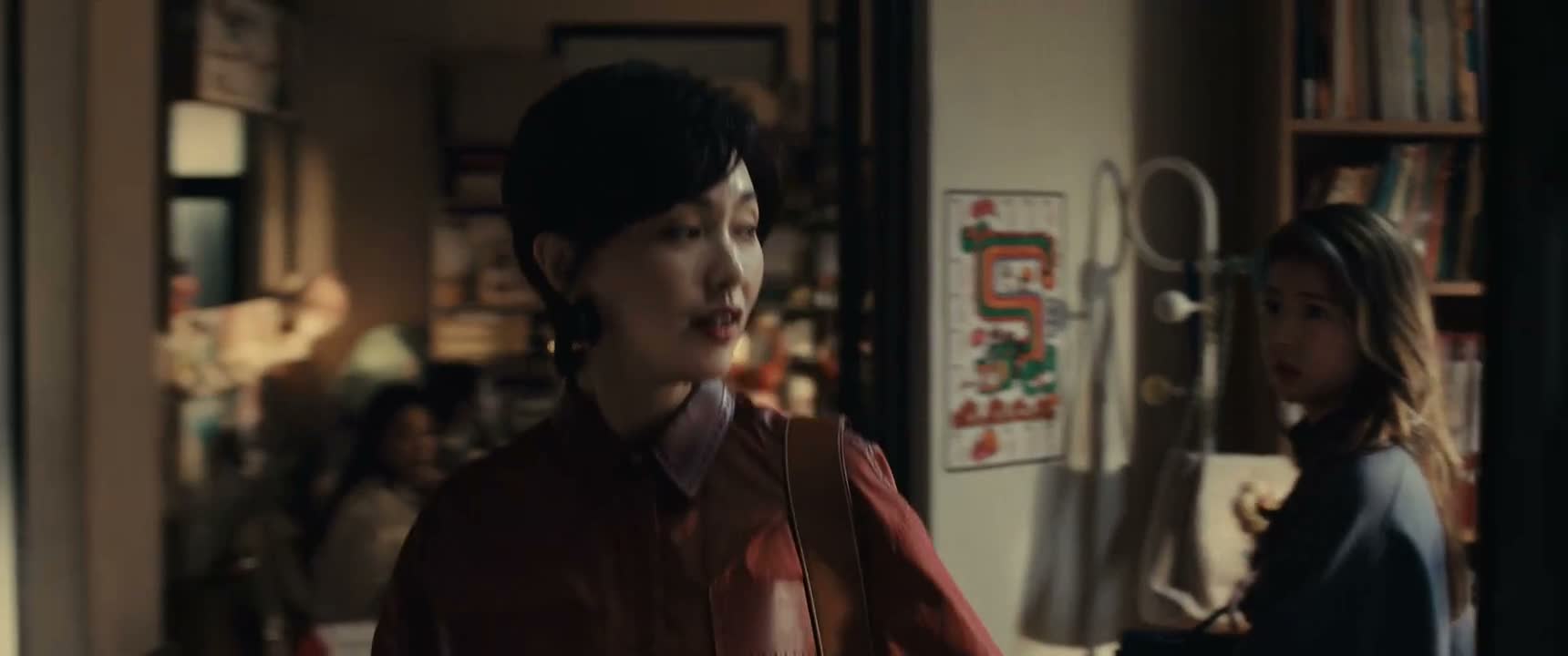 00:03
(林总 生活哪有什么长远之计 只有长远地流浪) ── Previous context
“He Han's sentimental lines are nice to read.”
📌 好了好了
→Nuance: 同为劝慰对方收敛情绪
📌 什么时候
→Nuance: 同向近义词根配对: [时间 ↔ 时候]
📌 行不行
→Nuance: 嫌弃对方娇气不愿自己动手洗
📌 对吧
→Nuance: 同向近义词根配对: [男人 ↔ 男子]
📌 闹脾气
→Nuance: 同为劝慰对方收敛情绪
⚡ 不管
→Contrast: 极性反义对撞: [下降 ↔ 上升]
⚡ 是吗
→Contrast: 极性反义对撞: [下降 ↔ 上升]
⚡ 不是
→Contrast: 极性反义对撞: [下降 ↔ 上升]
⚡ 能不能
→Contrast: 极性反义对撞: [不能 ↔ 可以]
⚡ 能不能不要
→Contrast: 极性反义对撞: [不能 ↔ 可以]