看不懂
kàn bù dǒngCommon spoken expression used by native Chinese speakers in daily life.
[Scene: 其他场景]
(3 clips) 00:02
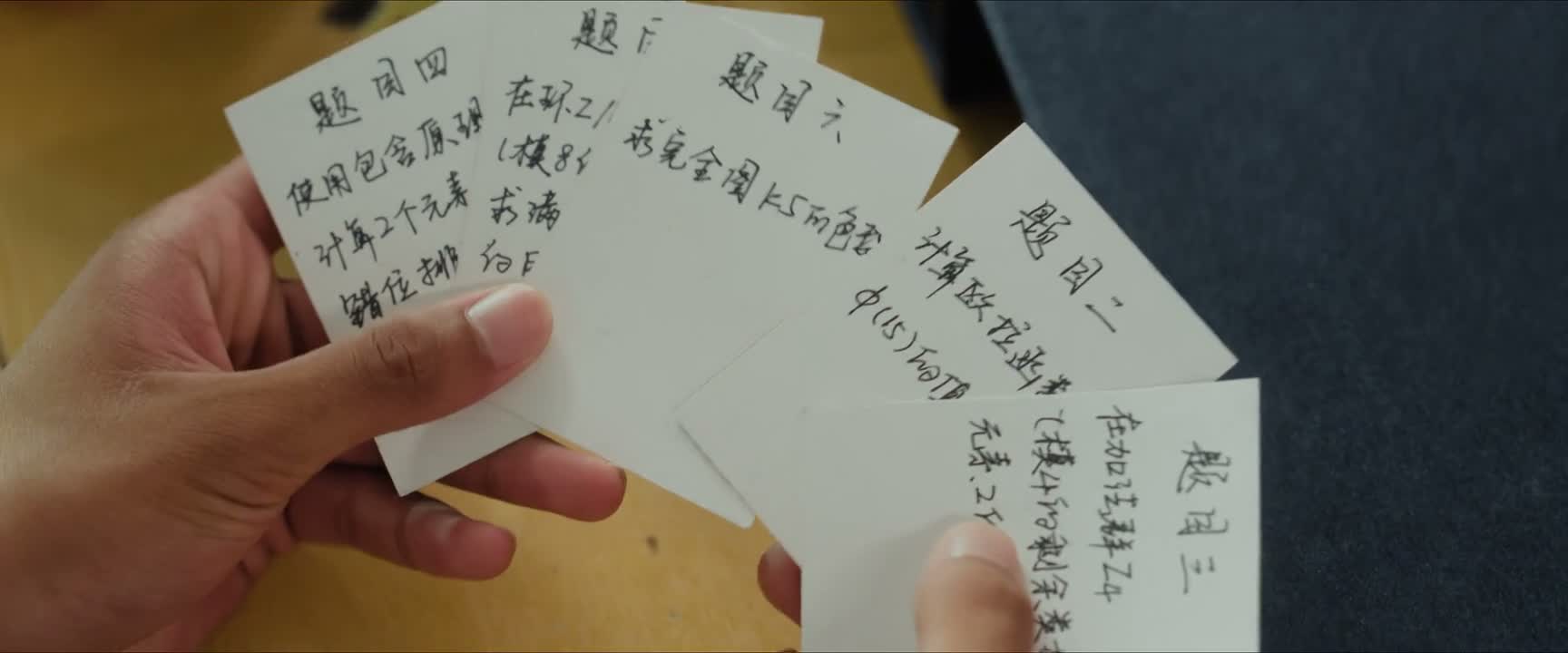 00:02
(这什么意思啊 先记下来) ── Previous context
“[Question 1] [Question 2] [Question 3] I can't figure them out.”
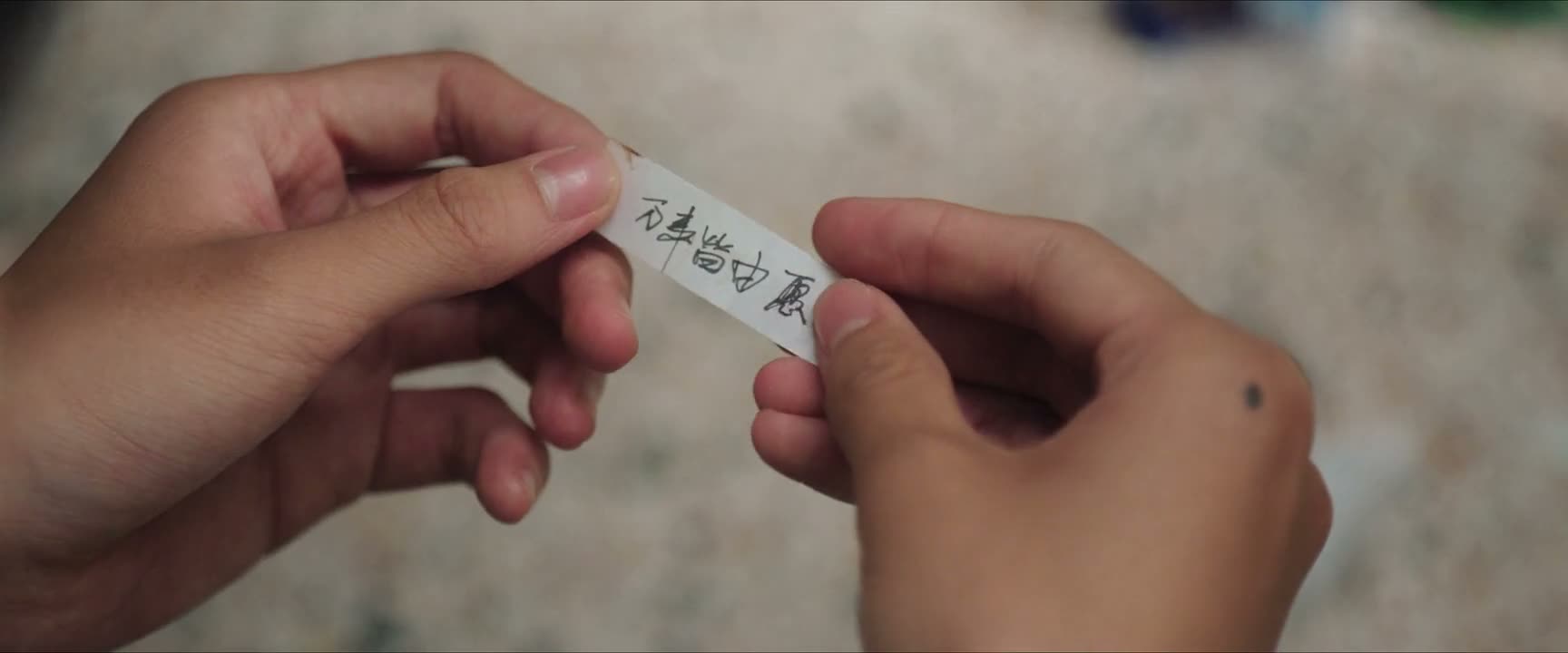 00:03
(老大我们去那边看看) ── Previous context
“There's a note in every piece of chocolate. What are these? I don't understand.”
[Scene: 家庭日常]
(2 clips) 00:03
(都吃完了 那些瓶子花花绿绿的 又都是外国字) ── Previous context
“Couldn't read it. So I didn't touch them. I'll handle it. Okay.”
 00:02
[Scene: 警匪刑侦]
(2 clips) 00:02
(这可是致死的量) ── Previous context
“My mom is undereducated and can't read the medicine names.”
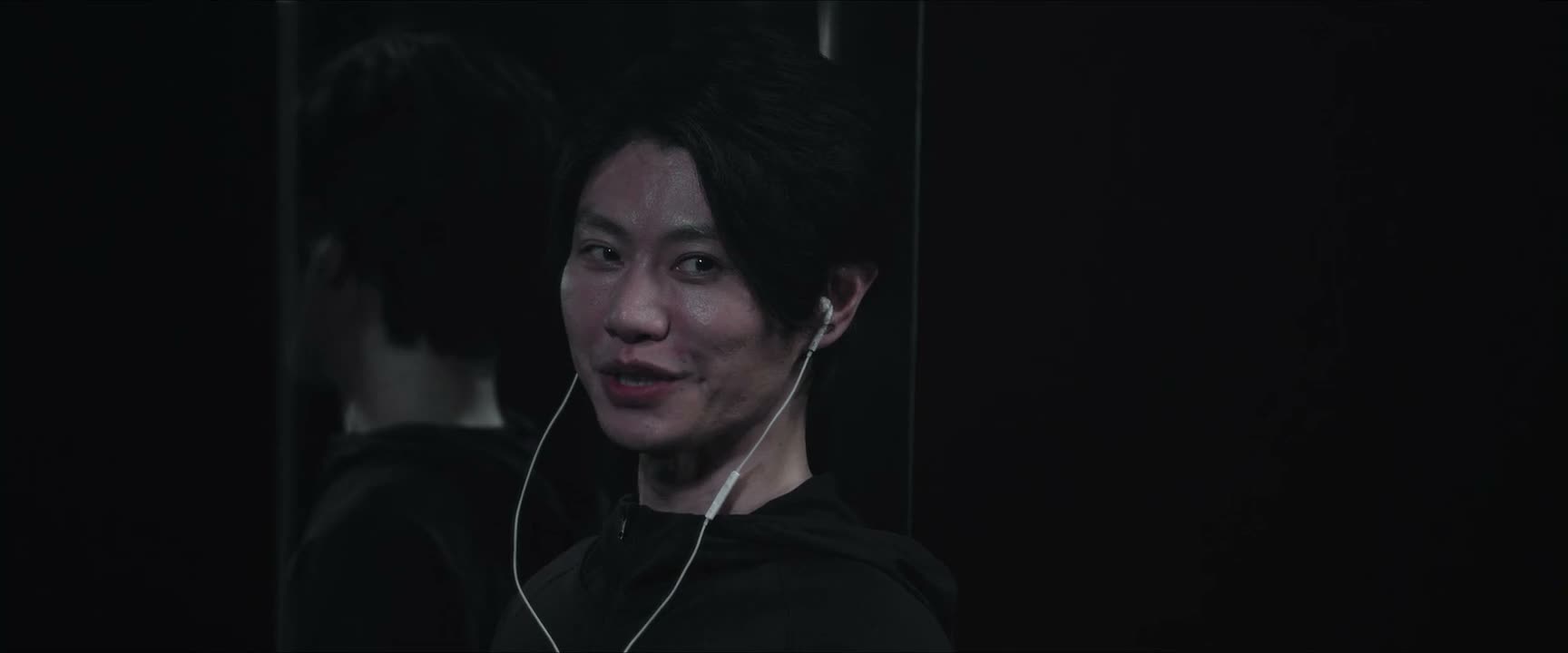 00:03
(兴奋吗 江警官在心理学领域 有很高的见解) ── Previous context
“Can't you understand my work? There's no other way. If I don't kill them,”
[Scene: 其他场景]
(1 clips)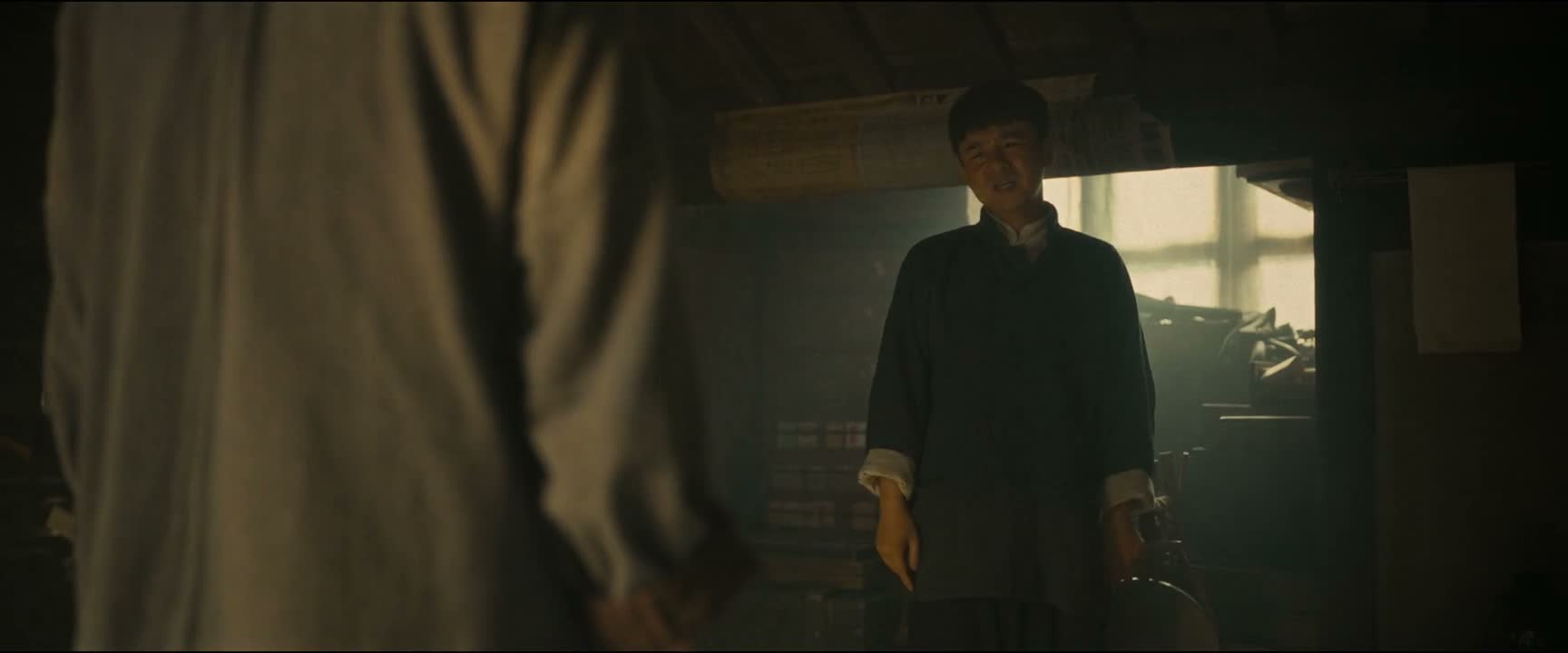 00:03
(感恩不尽 不是 瞎子 我) ── Previous context
“I don't understand you now. Which side are you on?”
[Scene: 餐饮美食]
(1 clips)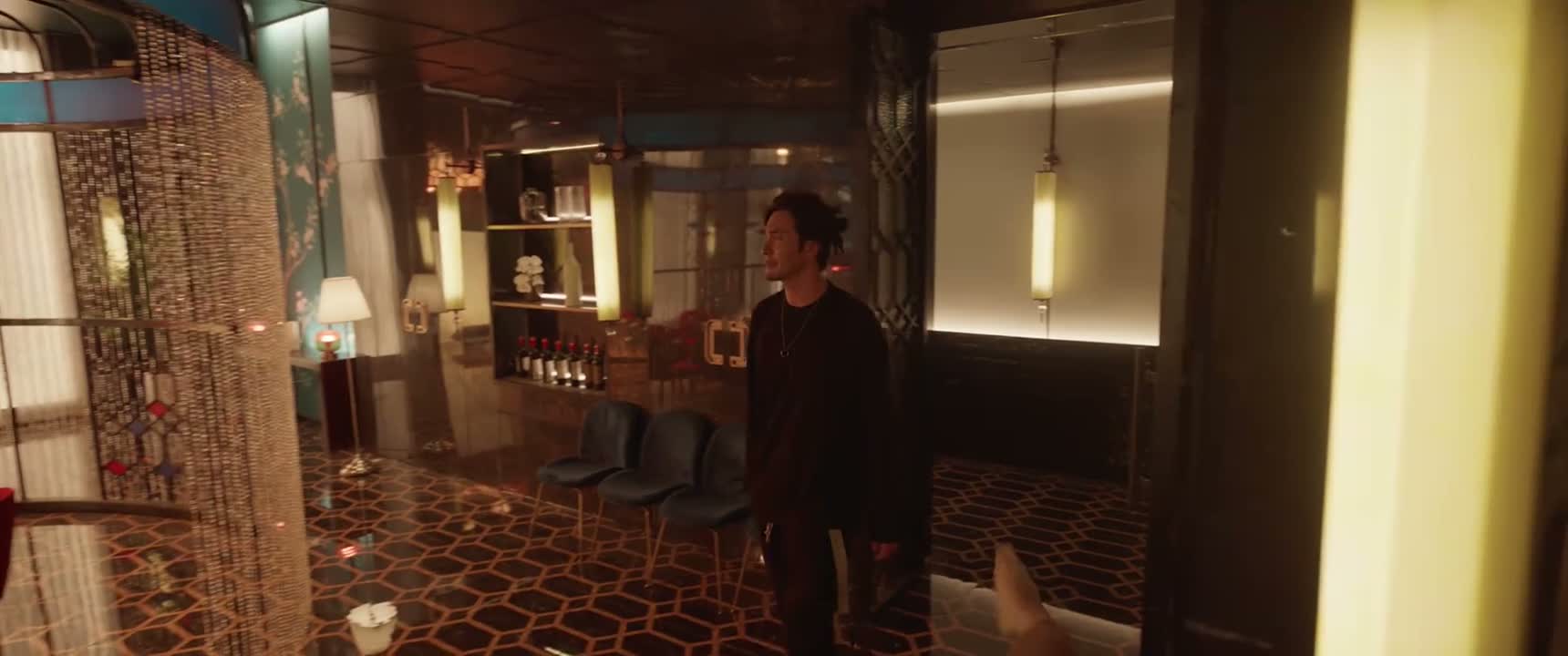 00:02
[Scene: 历史宫廷]
(1 clips) 00:02
[Scene: 其他场景]
(1 clips) 00:02
[Scene: 职场工作]
(1 clips)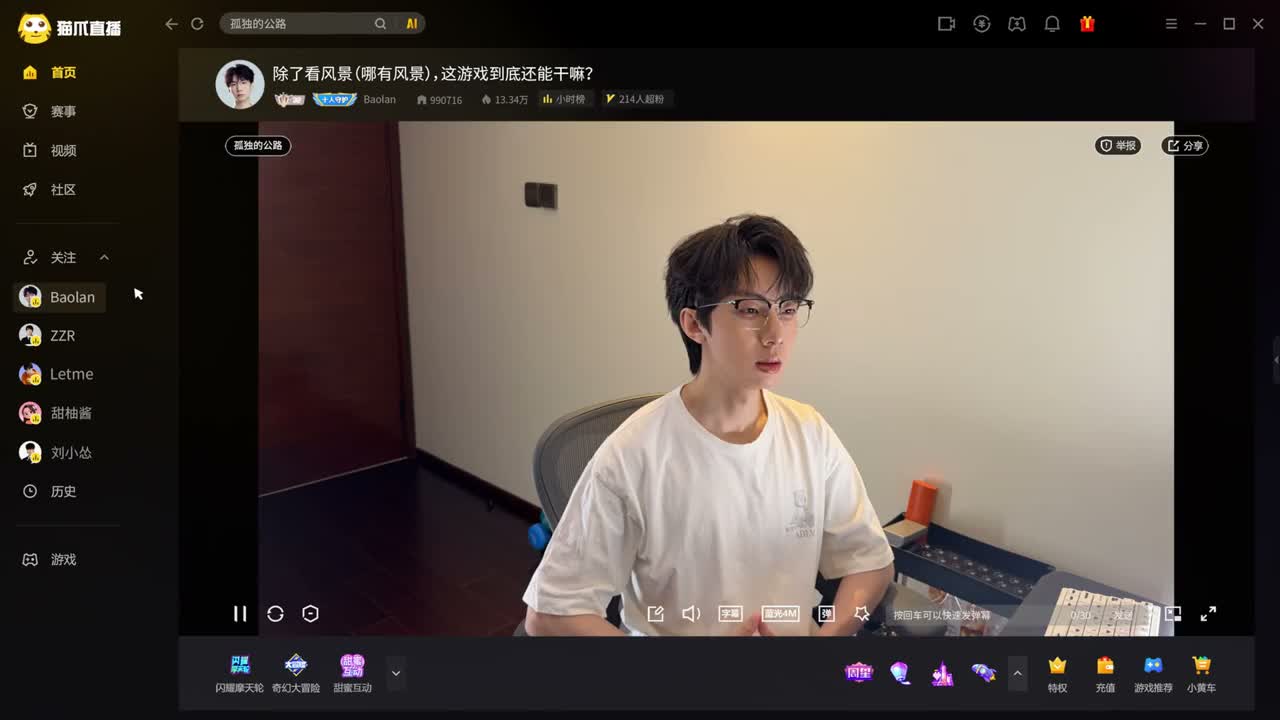 00:03
(开门黄) ── Previous context
“(What is this game even about?) This is Tengda's first game. I don't get it.”
📌 根本就没
→Nuance: 同向近义词根配对: [作品 ↔ 创作]
📌 不知道
→Nuance: 均表达自己也感到困惑不懂
📌 不清楚
→Nuance: 同向近义词根配对: [明白 ↔ 懂]
📌 乱七八糟
→Nuance: 同向近义词根配对: [作品 ↔ 创作]
📌 哪能
→Nuance: 反问形式表达看不懂,口吻变体
📌 不要
→Nuance: 同向近义词根配对: [明白 ↔ 懂]
📌 明白了吧
→Nuance: 同向近义词根配对: [明白 ↔ 懂]
📌 说不明白
→Nuance: 同向近义词根配对: [明白 ↔ 懂]
📌 不明白了
→Nuance: 同向近义词根配对: [明白 ↔ 懂]
📌 没有
→Nuance: 同向近义词根配对: [作品 ↔ 创作]