看看能不能
kàn kàn néng bù néngCommon spoken expression used by native Chinese speakers in daily life.
[Scene: 警匪刑侦]
(3 clips)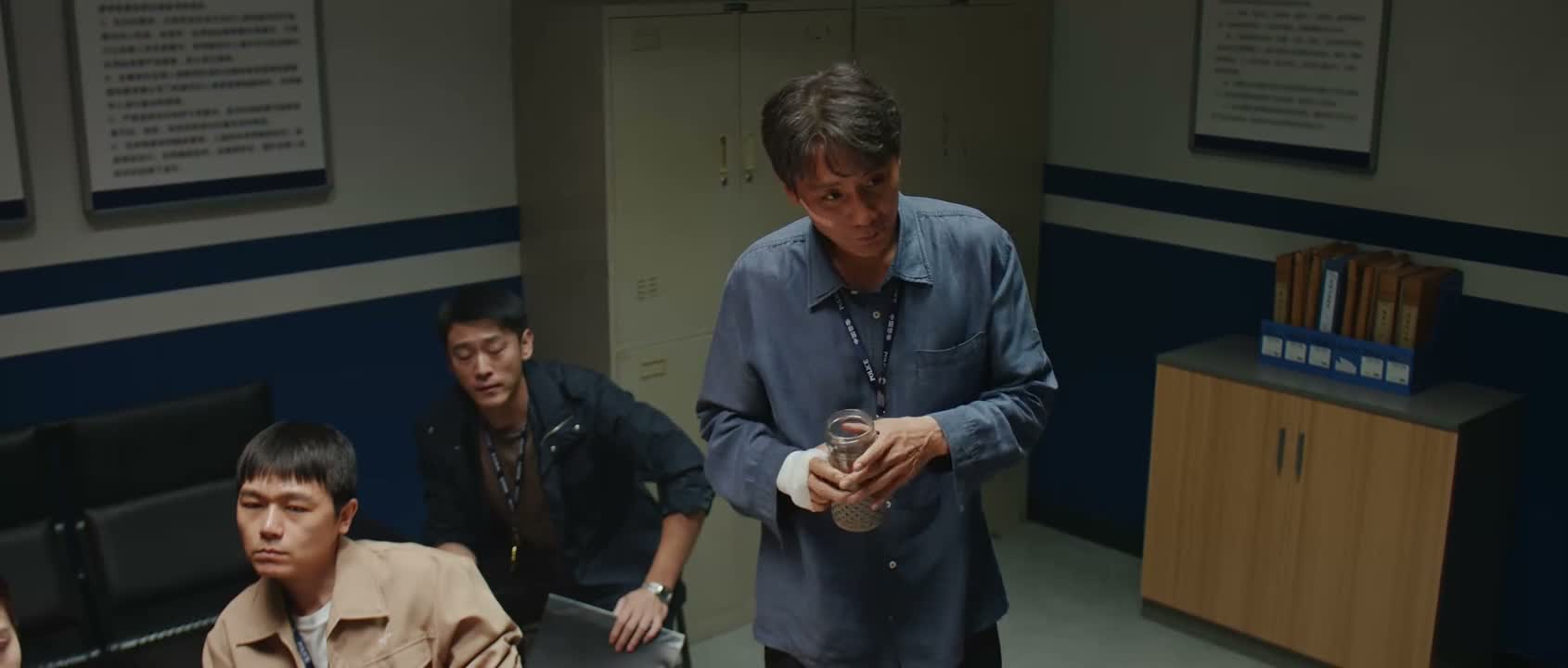 00:02
 00:02
 00:03
(和之前所有找到的指纹 再过一遍) ── Previous context
“See if any matches come up. Let me catch my breath first.”
[Scene: 其他场景]
(1 clips) 00:03
(我们刚收到 当年诬陷小林老师的视频) ── Previous context
“We're trying to see if we can find any flaws. Really? Let's do it together then.”
[Scene: 家庭日常]
(1 clips) 00:03
(家里头呢 最近出了点事) ── Previous context
“I was wondering if I could send her to your place”
[Scene: 其他场景]
(1 clips) 00:02
[Scene: 社交聚会]
(1 clips) 00:02
(亲自来住几天) ── Previous context
“Let me know in advance, and I'll see if I can find someone”
⚡ 记得
→Contrast: 极性反义对撞: [能 ↔ 不能]
⚡ 那能一样吗
→Contrast: 极性反义对撞: [能 ↔ 不能]
⚡ 回来了
→Contrast: 极性反义对撞: [能 ↔ 不能]
⚡ 你说
→Contrast: 极性反义对撞: [能 ↔ 不能]
⚡ 再说了
→Contrast: 极性反义对撞: [能 ↔ 不能]
⚡ 怎么可能
→Contrast: 极性反义对撞: [能 ↔ 不能]
⚡ 没回来
→Contrast: 极性反义对撞: [能 ↔ 不能]
⚡ 当然可以
→Contrast: 极性反义对撞: [能 ↔ 不能]
⚡ 来了
→Contrast: 极性反义对撞: [能 ↔ 不能]
⚡ 来
→Contrast: 极性反义对撞: [能 ↔ 不能]