两码事
liǎng mǎ shìCommon spoken expression used by native Chinese speakers in daily life.
[Scene: 商务沟通]
(1 clips) 00:03
(杜兆辉是一个 非常好的商业伙伴) ── Previous context
“but feelings and business are two entirely different matters,”
[Scene: 其他场景]
(1 clips) 00:03
(你知道你不告诉我 让我出丑) ── Previous context
“You're being unreasonable! Am I? Two different things.”
[Scene: 餐饮美食]
(1 clips) 00:02
(那个早上吃过饺子了 这饭就不用请了 那不行) ── Previous context
“That's different. I've already ordered the dishes.”
[Scene: 家庭日常]
(1 clips) 00:02
[Scene: 历史宫廷]
(1 clips)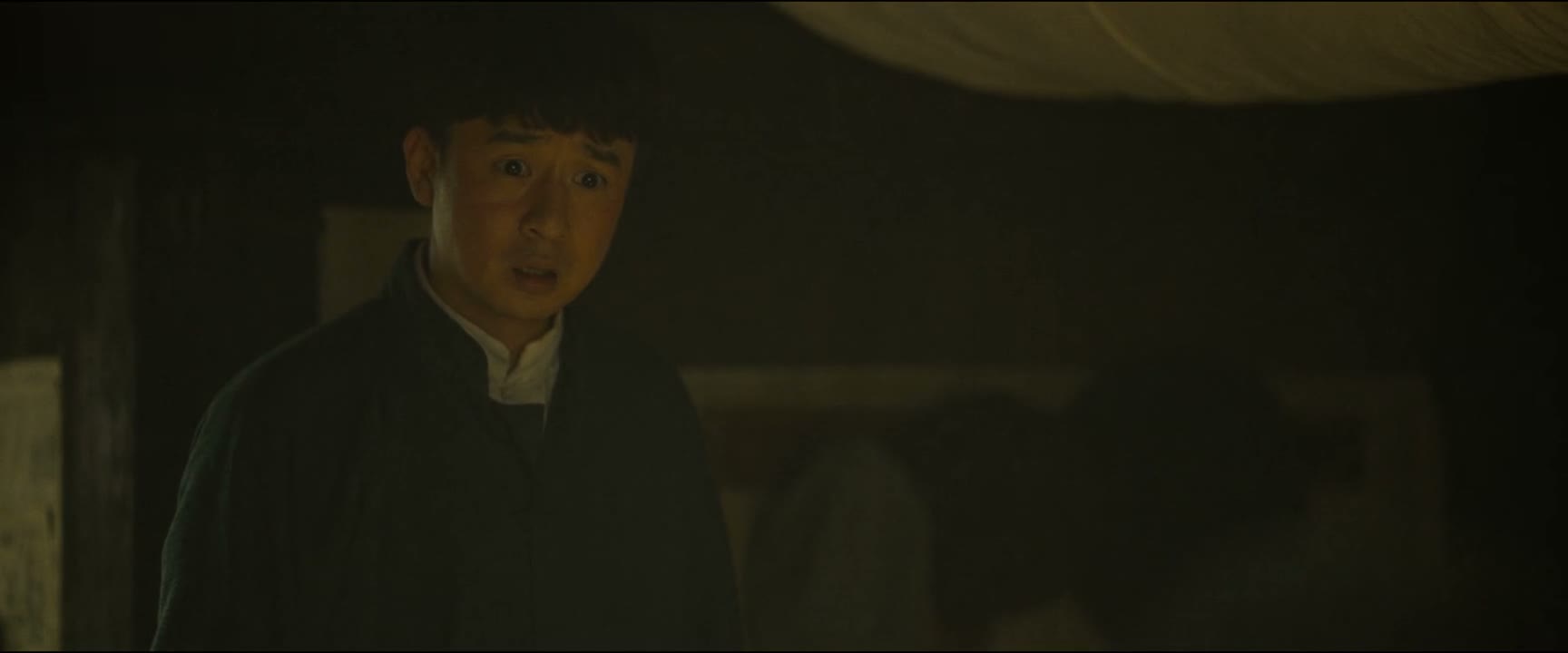 00:03
(旅长太太给他念书 那挣的还是人家的钱呢) ── Previous context
“That's two different things. You haven't betrayed the country”
[Scene: 社交聚会]
(1 clips) 00:03
(我知道你那儿 这两天出事了 你心情不太好) ── Previous context
“But these are two different things. They're different.”
📌 是吗
→Nuance: 均表达感情与合作不能混为一谈
📌 不是
→Nuance: 均表达两者情况不同、不能混为一谈
📌 都不一样
→Nuance: 均表达两者情况不同、不能混为一谈
📌 我觉得
→Nuance: 同向近义词根配对: [买卖 ↔ 生意]
📌 本来
→Nuance: 同向近义词根配对: [相同 ↔ 一样]
📌 有意思
→Nuance: 同向近义词根配对: [买卖 ↔ 生意]
📌 来
→Nuance: 同向近义词根配对: [相同 ↔ 一样]
📌 拿着
→Nuance: 核心交际意图均为区分两件事
📌 不一样
→Nuance: 核心意图完全一致可互换