没意思
méi yì siCommon spoken expression used by native Chinese speakers in daily life.
[Scene: 社交聚会]
(8 clips) 00:03
(我呢 无以为报 唯有以身相许 你别看我平时) ── Previous context
“with young girls. But it means nothing.”
 00:02
 00:02
 00:02
 00:03
(这很贵的) ── Previous context
“Don't be fooled by how I like chatting with those young girls. It's meaningless.”
 00:02
 00:02
(不是 你脑子没事吧 怎么能是定好的呢 假设假设) ── Previous context
“I wouldn't want to know. It wouldn't be fun anymore.”
 00:02
[Scene: 其他场景]
(6 clips) 00:03
 00:03
(是谁) ── Previous context
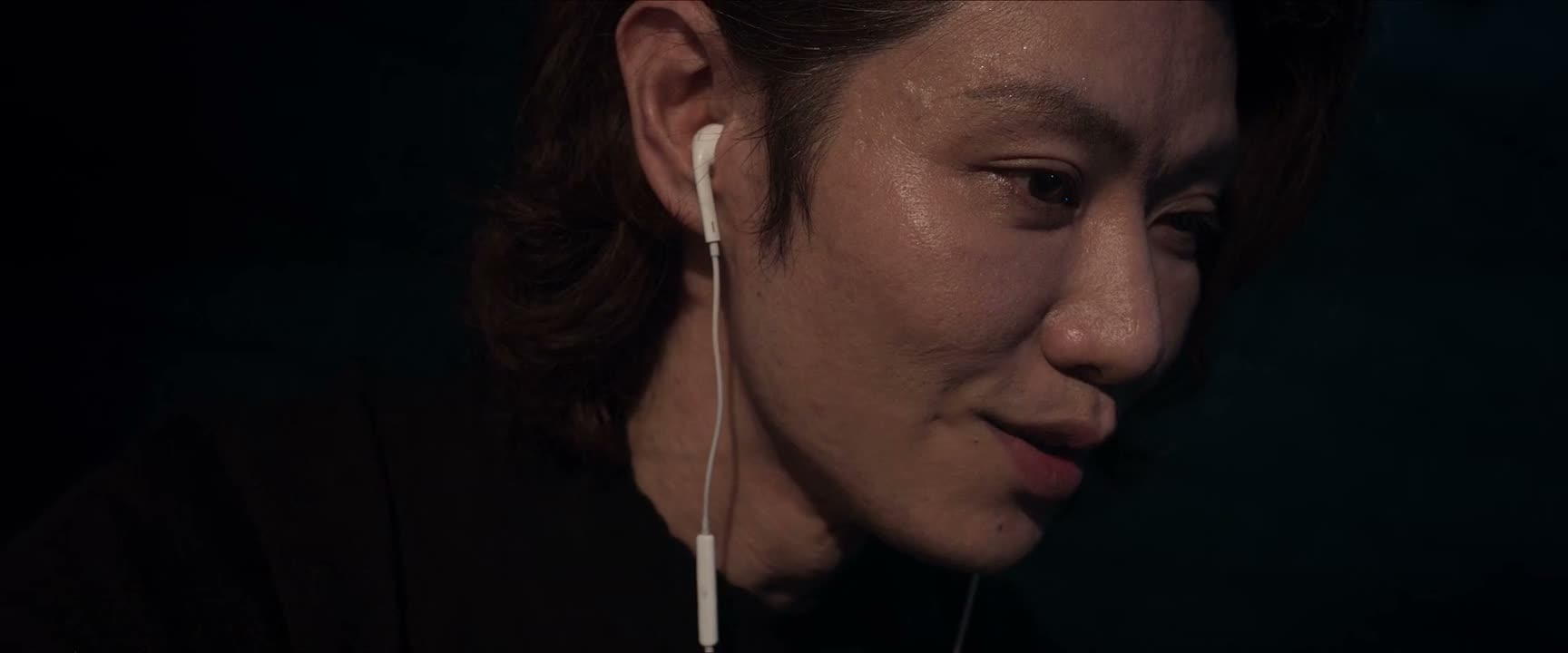
“If the answer were that easy to reveal, wouldn't it be too boring?”
 00:02
 00:03
(那你叫它一声 它能应你吗) ── Previous context
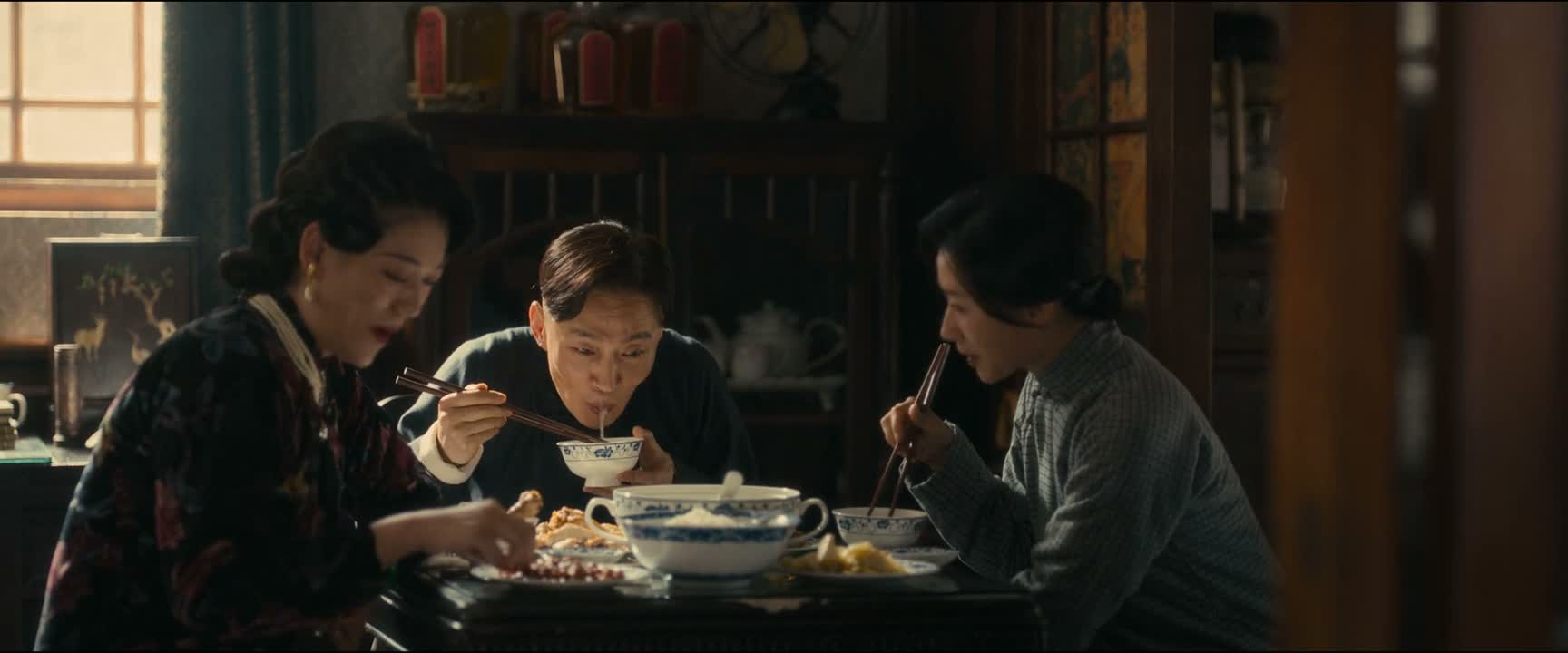
“Shuyuan. You're just being a bit childish. That's not how you say things.”
 00:02
 00:03
(拿我挣钱 凭什么不给我分钱呢) ── Previous context
“Don't make a big deal out of this. What's the point of all this”
[Scene: 其他场景]
(5 clips) 00:02
 00:02
 00:02
 00:02
(听你这么说 感觉人生没什么意思) ── Previous context
“Because it is boring, you have to live your life in an interesting way.”
 00:03
(没意思) ── Previous context
“Since it's pointless, why hold that? Why stand there?”
[Scene: 职场工作]
(5 clips) 00:02
(这都加呀 那就十套吧) ── Previous context
“-This is too much pressure. -How can you do this? -How can you do this? -That's lame.”
 00:03
 00:02
(再就是我的工作调动 也不是那么简单的) ── Previous context
“Going there to sit in a government office job would be boring.”
 00:02
(你总这么说话 有意思吗) ── Previous context
“If you two find him unpleasant, then stop using him.”
 00:03
(现在网文小说问题是什么) ── Previous context
“Old wine in new bottles. That's boring. "Order of the Mountain Ghost" is different.”
[Scene: 商务沟通]
(2 clips) 00:02
(我出这个) ── Previous context
“The price has to be reasonable. If it's not, there's no point.”
 00:03
[Scene: 历史宫廷]
(1 clips) 00:03
(宫中一年一度的正旦会 年年少你一人) ── Previous context
“This is a family reunion. How could you not join us?”
📌 我告诉你
→Nuance: 同向近义词根配对: [意义 ↔ 意思]
📌 不容易
→Nuance: 同向近义词根配对: [恋爱 ↔ 谈恋爱]
📌 不知道
→Nuance: 均劝对方别较劲,反问更委婉
📌 不知道
→Nuance: 同向近义词根配对: [意义 ↔ 意思]
📌 不是不知道
→Nuance: 均劝对方别较劲,反问更委婉
📌 是不是
→Nuance: 同向近义词根配对: [恋爱 ↔ 谈恋爱]
📌 又不是
→Nuance: 均劝对方别较劲,反问更委婉
📌 没什么意思
→Nuance: 质问加敷衍拒绝意图一致
📌 都不知道
→Nuance: 意图相近,均表达回避知情