拿手
ná shǒuCommon spoken expression used by native Chinese speakers in daily life.
[Scene: 餐饮美食]
(7 clips) 00:02
(号称是淮扬菜大师古尚宏的弟子) ── Previous context
“Relying on his signature dish— salted pork rib soup with bamboo shoots—”
 00:02
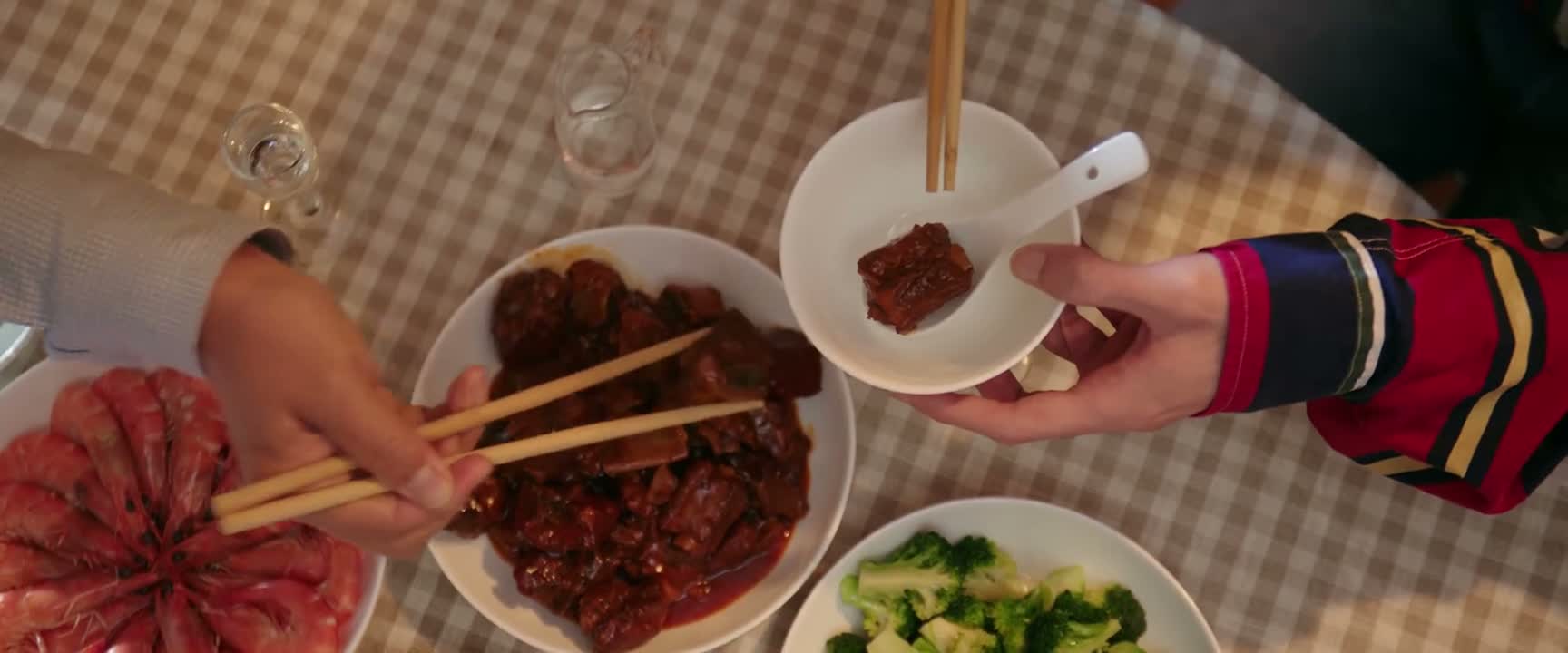 00:02
 00:03
(太后吉祥 免礼) ── Previous context
“Wanxing, try this dish. It's my husband's specialty.”
 00:03
(试一试) ── Previous context
“This is my signature dish, braised eel. It's a secret recipe.”
 00:03
 00:03
(可以了可以了 给你满上 来) ── Previous context
“have some "Fish for Prosperity." This is your Uncle Hu's specialty.”
[Scene: 家庭日常]
(3 clips) 00:03
(会坏的 它 它最起码也得) ── Previous context
“these need to be hand-washed. Is it really that serious?”
 00:03
(要我说 还得是许主任觉悟高 这么快就想通了) ── Previous context
“Mom, prepare some of your signature dishes this weekend. Fei Ni loves fish.”
 00:02
(我那火上还做着菜呢 这样你先带着星星在家里转转) ── Previous context
“Or just take a rest. I'll go make my signature dishes for you.”
[Scene: 其他场景]
(2 clips) 00:02
 00:02
[Scene: 社交聚会]
(2 clips) 00:02
 00:02
[Scene: 其他场景]
(1 clips) 00:03
[Scene: 职场工作]
(1 clips) 00:03
(我身体不舒服回去了 你去跟他们耗去吧) ── Previous context
“No problem. Stalling tactics are my specialty.”
📌 好吃
→Nuance: 同为热情向小林推荐品尝菜品
📌 回来了
→Nuance: 同为建议休息并准备餐饮
📌 行不行
→Nuance: 嫌弃对方娇气不愿自己动手洗
📌 是吧
→Nuance: 同为热情向小林推荐品尝菜品
📌 特别好吃
→Nuance: 同为热情向小林推荐品尝菜品
📌 来了
→Nuance: 同为建议休息并准备餐饮
📌 来
→Nuance: 同为建议休息并准备餐饮
📌 来
→Nuance: 同向近义词根配对: [或者 ↔ 要么]
📌 谢谢
→Nuance: 同为热情向小林推荐品尝菜品