女主
nǚ zhǔCommon spoken expression used by native Chinese speakers in daily life.
[Scene: 社交聚会]
(6 clips) 00:02
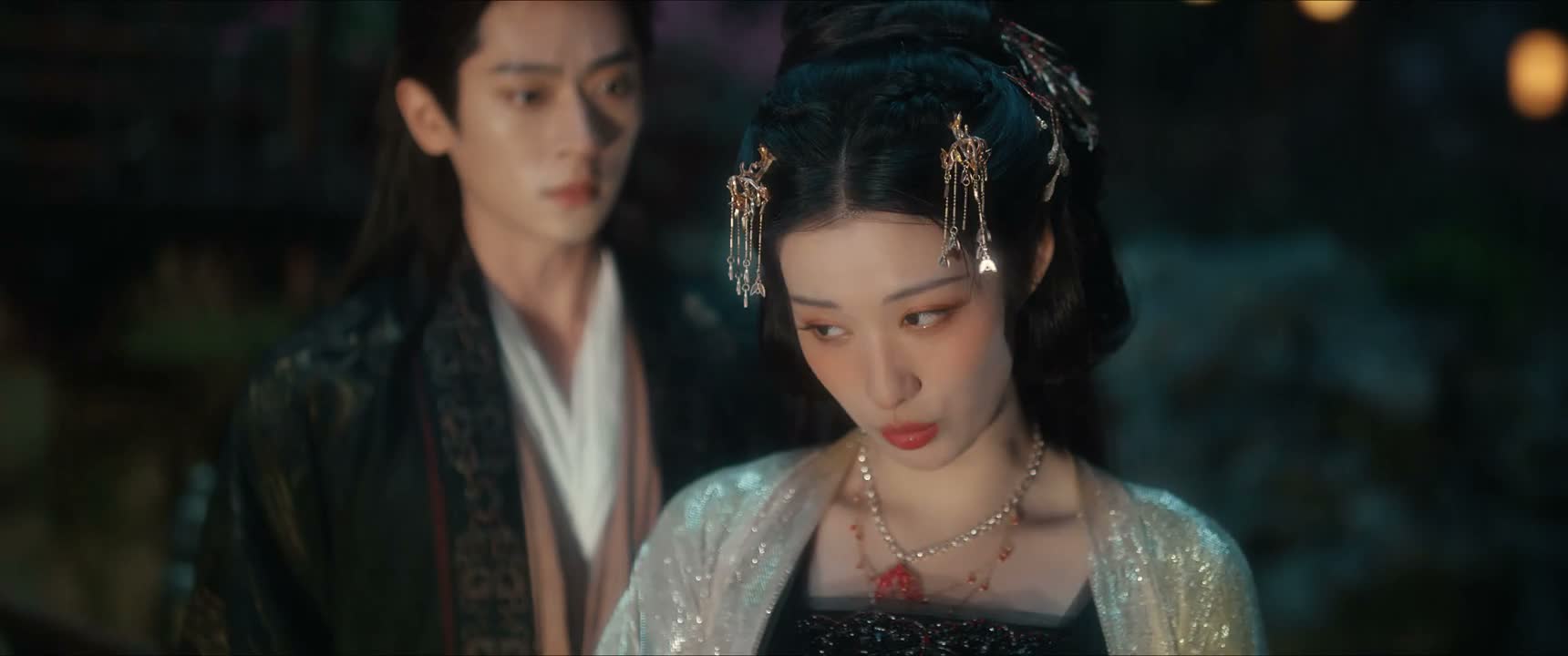 00:02
 00:02
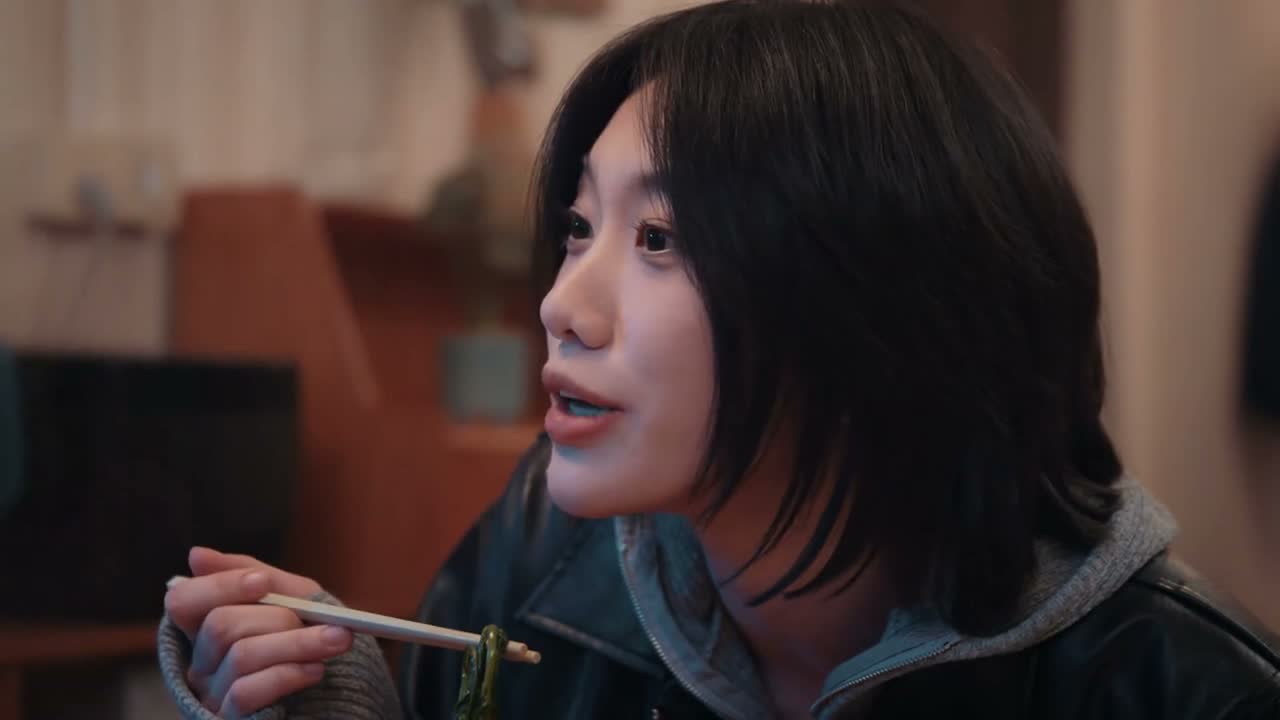 00:02
(你被猪油蒙了心) ── Previous context
“and you wanted to experience being the female lead of a love drama.”
 00:02
 00:02
(确实我们现在谈论这些太早) ── Previous context
“What? The master bedroom is for the lady of the house.”
[Scene: 职场工作]
(6 clips)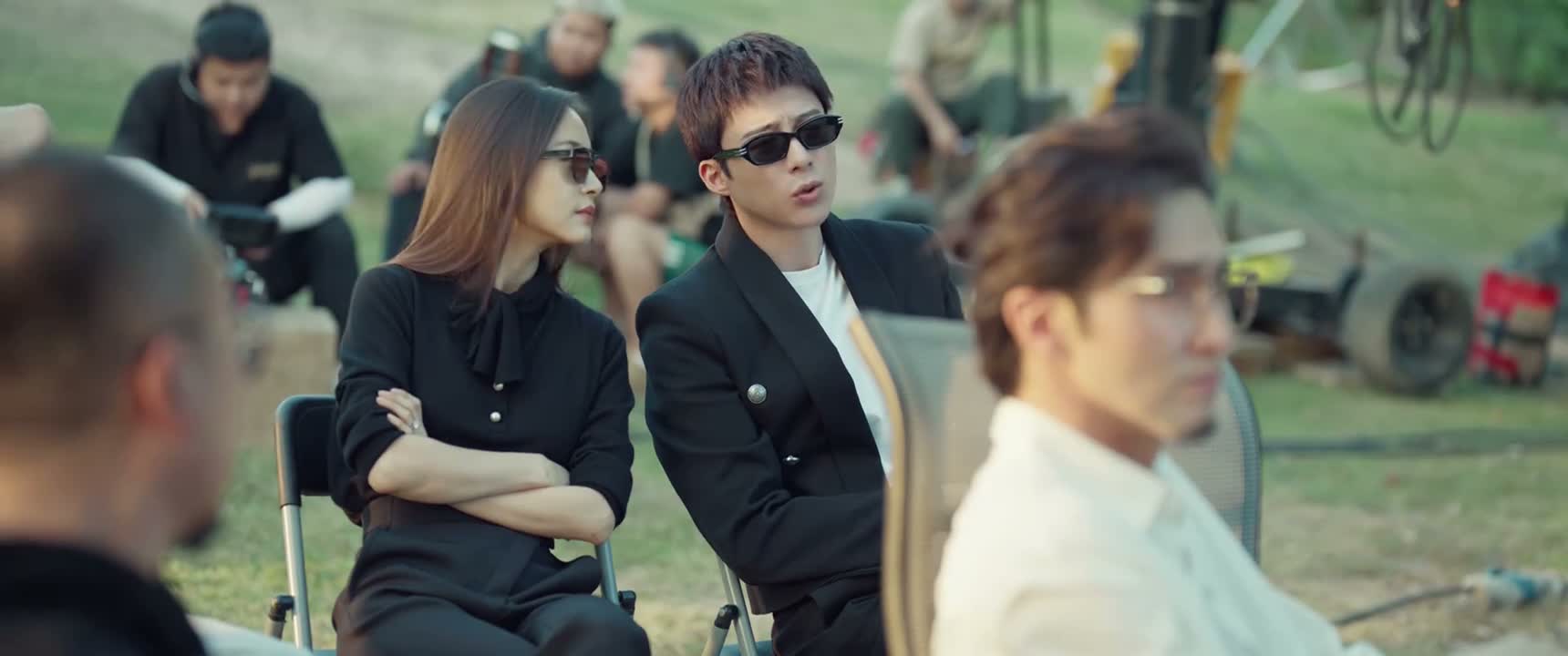 00:02
 00:03
(凭什么呀) ── Previous context
“Our company doesn't have many female executives. Who says?”
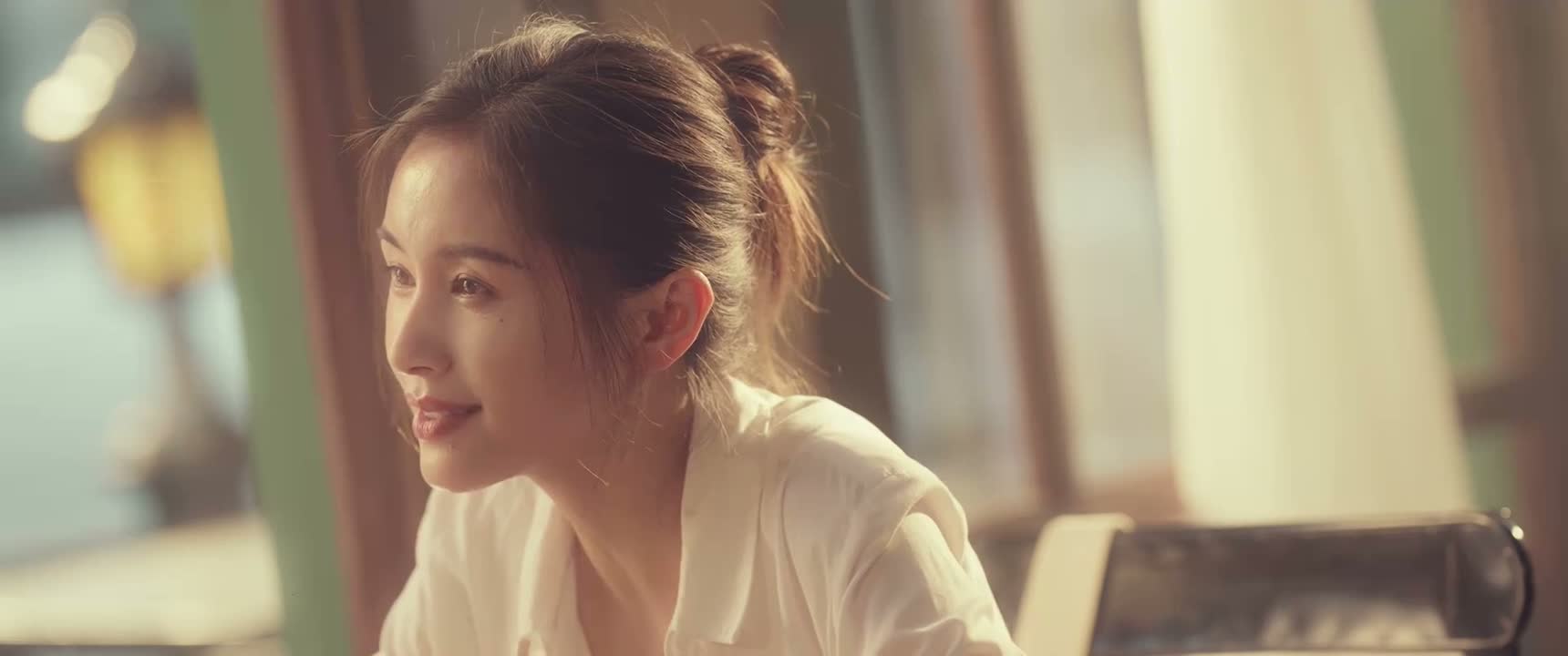 00:02
 00:03
(也没演过什么正经戏) ── Previous context
“But at least he won't try to rewrite the script. What's the female lead's name again?”
 00:03
(AI(人工智能)总裁这个戏 戏剧核心是总裁) ── Previous context
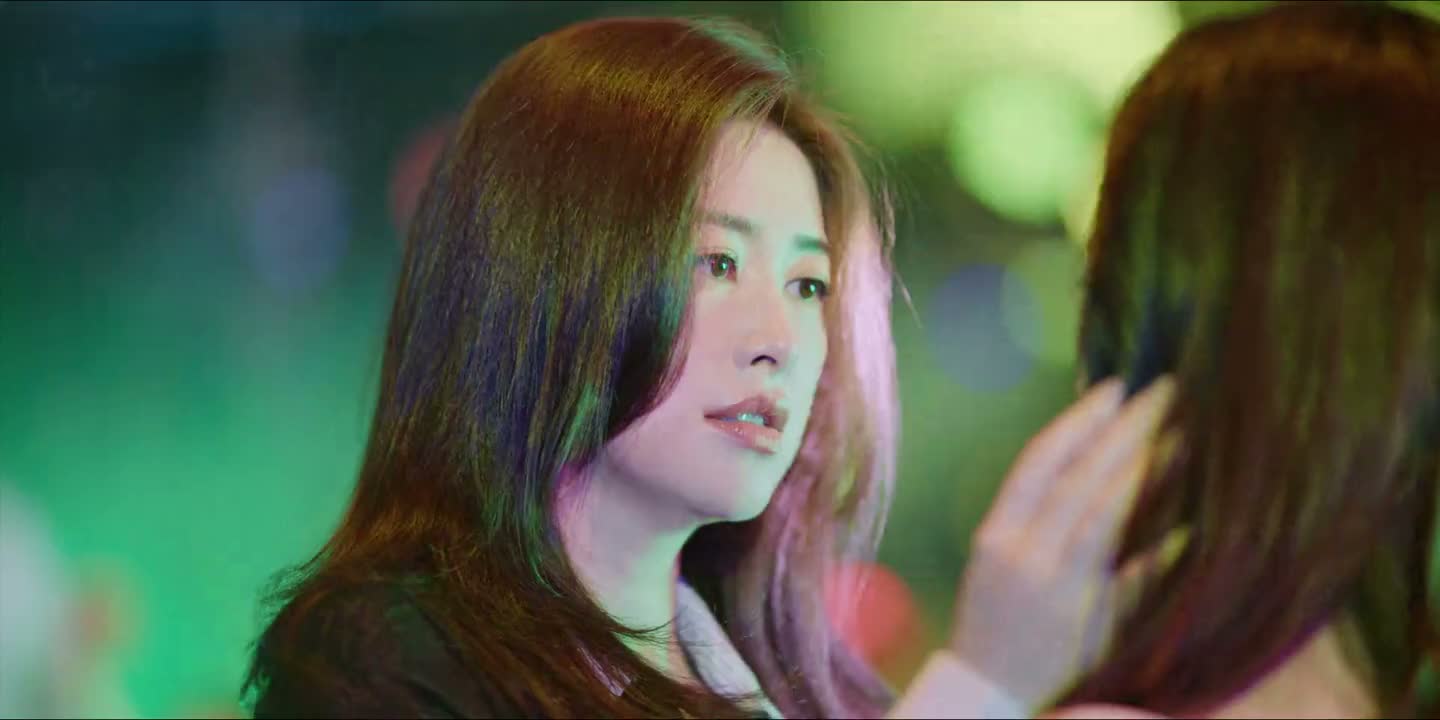
“But your perspective starts from the female lead. That doesn't make sense.”
 00:03
[Scene: 其他场景]
(3 clips) 00:03
 00:02
 00:03
(保姆你得会做家务 会照顾老人 照顾小孩 你会吗) ── Previous context
“Even if you're hired, the wife wouldn't trust a pretty maid.”
[Scene: 商务沟通]
(1 clips) 00:03
(我们授权给你) ── Previous context
“As long as the couple's name for the leads stays "Qianyan Wanyu" . [*So Much to Say]”
📌 不一样
→Nuance: 同向近义词根配对: [角度 ↔ 视角]
📌 挺好
→Nuance: 同向近义词根配对: [天然 ↔ 天生]
📌 不会
→Nuance: 同表不予录用,表达更直接客观
📌 虚荣
→Nuance: 爱慕虚荣与拜金语义相近可互换
📌 我要是你
→Nuance: 同表不予录用,表达更直接客观
📌 天生就该
→Nuance: 同为赞美对方有演戏天赋
📌 没有
→Nuance: 同向近义词根配对: [角度 ↔ 视角]