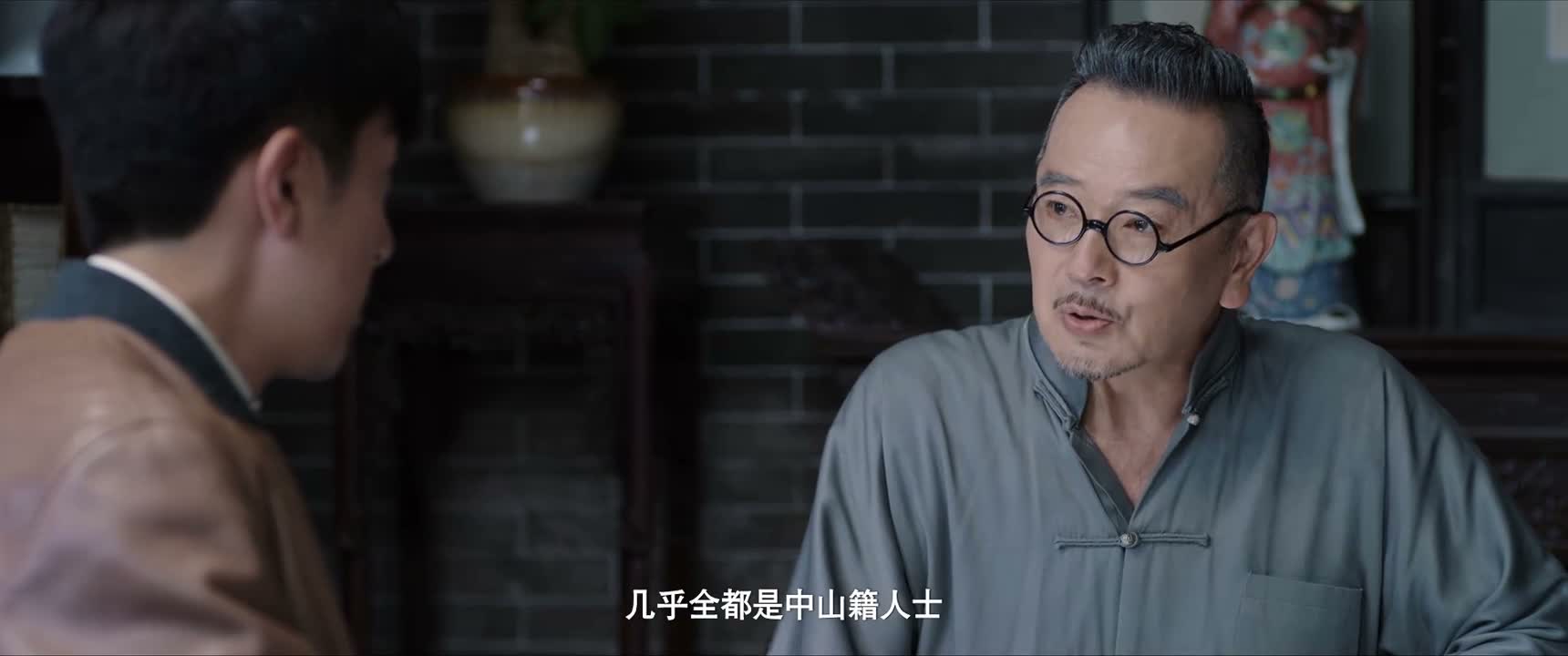
全都是
quán dōu shìCommon spoken expression used by native Chinese speakers in daily life.
[Scene: 其他场景]
(5 clips) 00:02
 00:02
(忽然外面就枪炮声响起来了 然后街上就乱了) ── Previous context
“Japanese planes started dropping bombs.”
 00:02
 00:03
 00:02
[Scene: 其他场景]
(3 clips) 00:02
 00:02
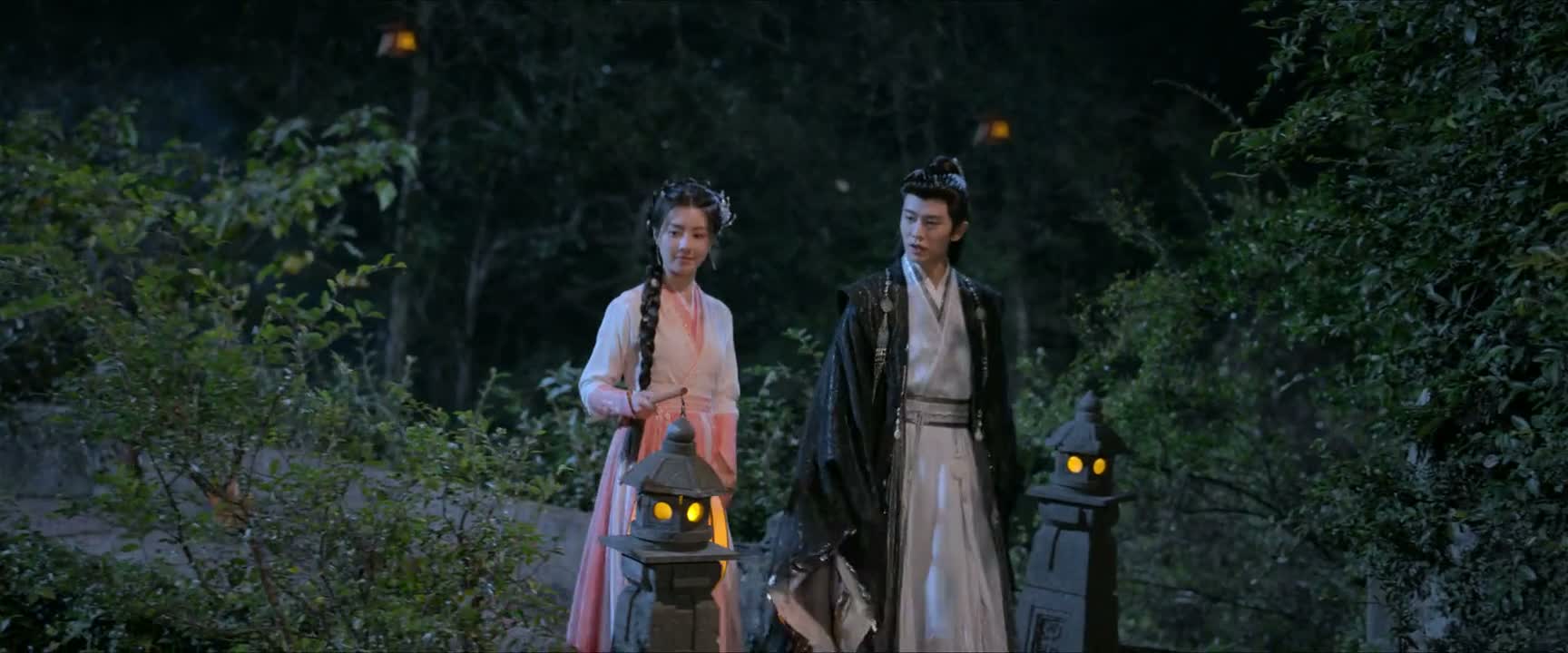 00:02
[Scene: 职场工作]
(2 clips) 00:02
(想约谁约不着) ── Previous context
“They all played dumb when you asked about something.”
 00:02
[Scene: 警匪刑侦]
(1 clips) 00:02
[Scene: 其他场景]
(1 clips)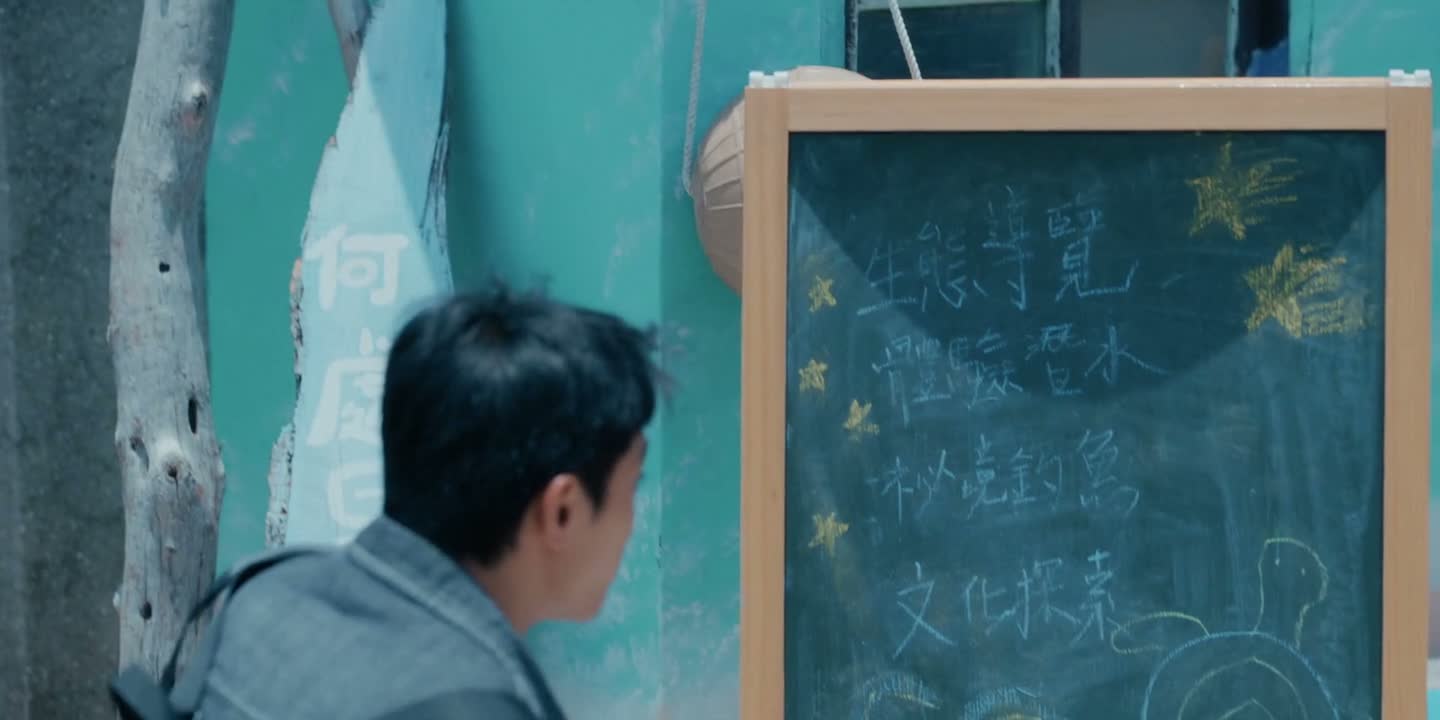 00:02
(就像你从来没有离开过一样) ── Previous context
“Why did you draw so many sea turtles on the paper?”
[Scene: 社交聚会]
(1 clips) 00:03
(你们说好玩的解谜 就是做数学题啊) ── Previous context
“Last time it was a word puzzle. They were all four-character idioms.”
📌 是吗
→Nuance: 同向近义词根配对: [方法 ↔ 办法]
📌 来
→Nuance: 完全相同的表达
📌 有用
→Nuance: 同向近义词根配对: [方法 ↔ 办法]
📌 最蠢的办法
→Nuance: 同向近义词根配对: [方法 ↔ 办法]
⚡ 多亏了你
→Contrast: 真诚感谢与反讽归咎态度相反
⚡ 反正
→Contrast: 主体相反自己安排对别人安排
⚡ 不是
→Contrast: 极性反义对撞: [别人 ↔ 自己]
⚡ 知道了
→Contrast: 极性反义对撞: [想 ↔ 不想]
⚡ 来
→Contrast: 极性反义对撞: [别人 ↔ 自己]
⚡ 我自己来
→Contrast: 极性反义对撞: [别人 ↔ 自己]