睡着了
shuì zháo leCommon spoken expression used by native Chinese speakers in daily life.
[Scene: 其他场景]
(5 clips) 00:02
 00:02
 00:02
 00:02
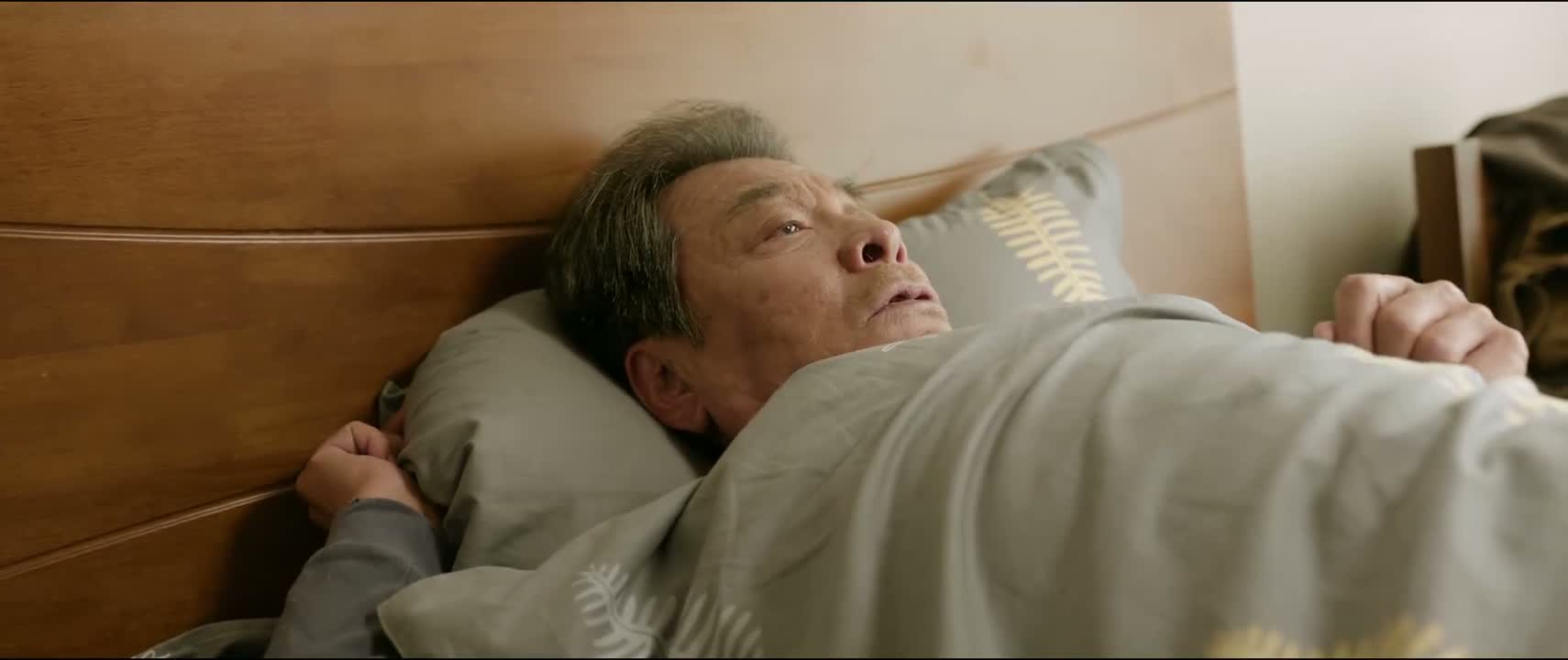 00:02
[Scene: 职场工作]
(4 clips) 00:03
(顾兄一大早就来到内谒局) ── Previous context
“said hello to me, then fell asleep right here.”
 00:03
(我说了没有啊 吃完饭叫我 你) ── Previous context
“- I fell asleep. - Foreman Song. - Sorry. - Get up now.”
 00:03
(慢一点啊 你小点声 大家在睡觉) ── Previous context
“Foreman Song is exhausted. He fell asleep before finishing.”
 00:02
[Scene: 家庭日常]
(3 clips)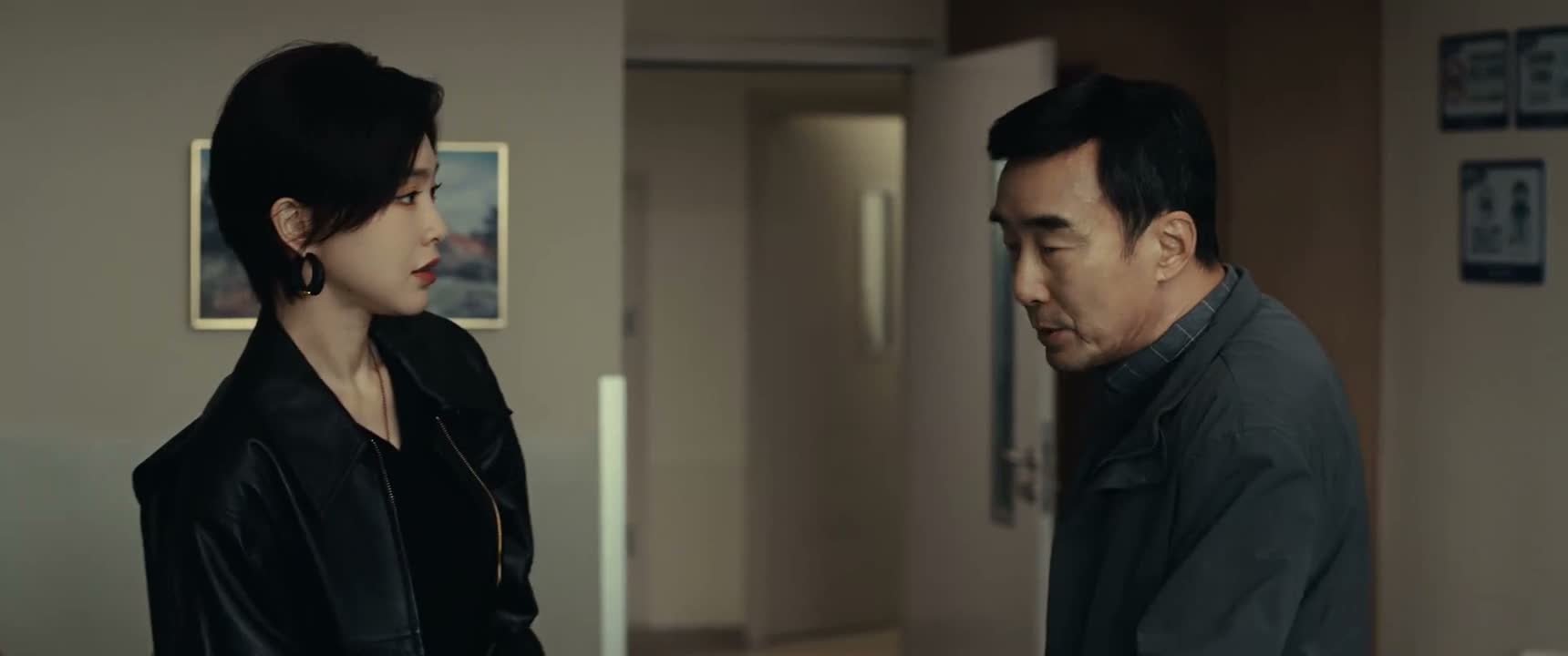 00:02
 00:03
(你不是老馋家里边好吃的吗) ── Previous context
“Someone shouts in her sleep, "I want Guo Bao Rou!"”
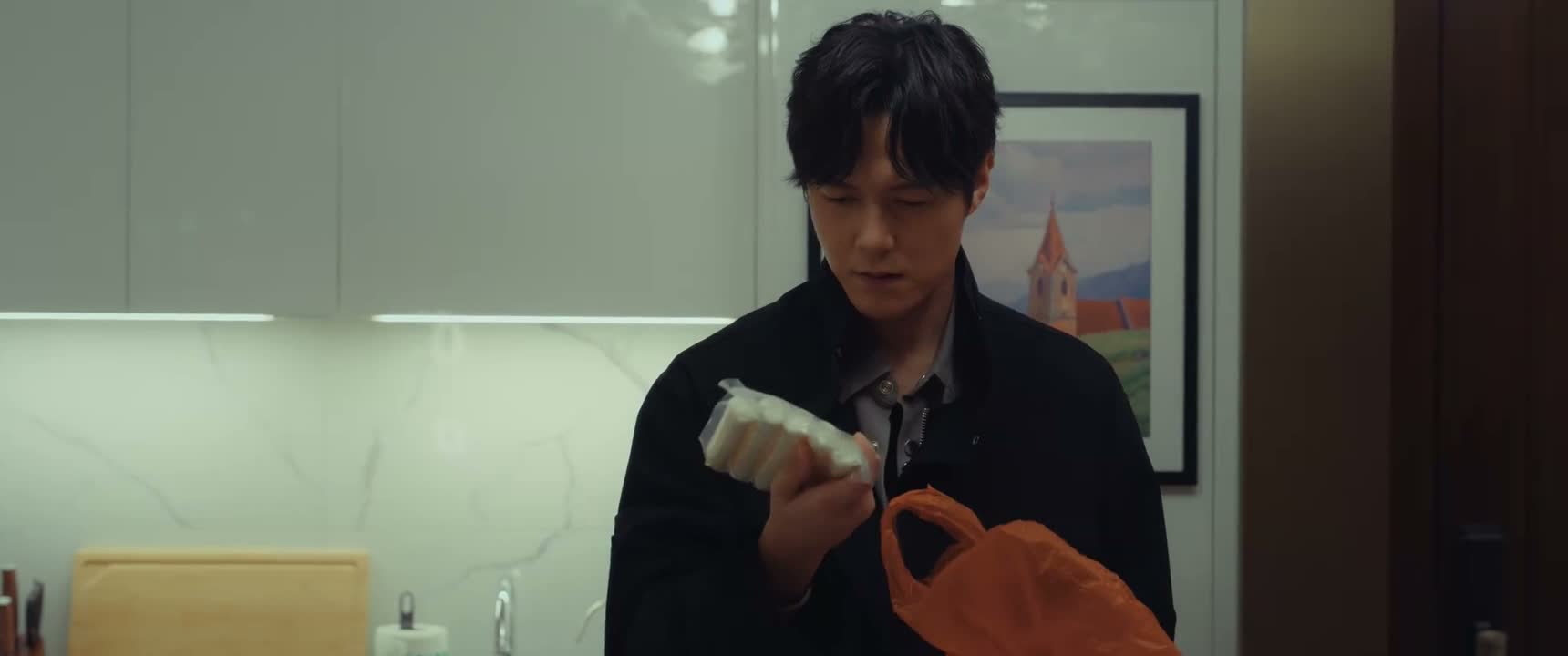 00:02
[Scene: 社交聚会]
(2 clips) 00:02
 00:03
[Scene: 餐饮美食]
(1 clips) 00:03
(我就说我做嘛 不好意思你就应该请客 坐那儿) ── Previous context
“Dahu is asleep. Let's enjoy our meal.”
[Scene: 历史宫廷]
(1 clips) 00:03
[Scene: 警匪刑侦]
(1 clips) 00:03
(但是吧 那是他的车 也说明不了什么) ── Previous context
“Liao Guangyong claimed he was drunk and asleep and knew nothing in the passenger seat.”
[Scene: 其他场景]
(1 clips) 00:03
[Scene: 出行交通]
(1 clips) 00:02
(那你睡吧) ── Previous context
“I'd better keep you company. Otherwise, we'll both be in trouble if you fall asleep.”
📌 睡着啦
→Nuance: 均为确认目标已经睡着
📌 刚睡午觉
→Nuance: 均表达刚睡醒/睡了觉的意思
📌 是吗
→Nuance: 同向近义词根配对: [一会儿 ↔ 会儿]
📌 真是
→Nuance: 同样确认睡着,补充了地点
📌 安心地当一个小孩子
→Nuance: 同向近义词根配对: [我们 ↔ 咱们]
📌 来
→Nuance: 同向近义词根配对: [一会儿 ↔ 会儿]
📌 不会
→Nuance: 同为道歉保证不再犯的表达变体
📌 就好了
→Nuance: 同向近义词根配对: [我们 ↔ 咱们]