听不见
tīng bú jiànCommon spoken expression used by native Chinese speakers in daily life.
[Scene: 其他场景]
(4 clips) 00:03
 00:02
 00:03
(这小子 瞧不见人吗) ── Previous context
“I'm talking to you. Exactly. What the heck? What's this?”
 00:03
(坐下来论论呗) ── Previous context
“What did you say? I can't hear you! I said you're a good-for-nothing!”
[Scene: 其他场景]
(4 clips) 00:02
 00:03
(你好好学习 你长大了也上电视 静静 先静静啊) ── Previous context
“Please be quiet. I can't hear Xiaolan. Please be quiet.”
 00:03
(还真是一个懂事 知大体的好姑娘) ── Previous context
“There are only two people breathing in this room. Don't pretend you didn't hear that.”
 00:02
(那天也是这么大的雷) ── Previous context
“the neighbors even couldn't hear you knock hard at the door.”
[Scene: 职场工作]
(3 clips) 00:03
(我也不知道 夏总说没事就没事吧 而且) ── Previous context
“we aren't changing much. If you speak any louder, I won't be able to hear you.”
 00:02
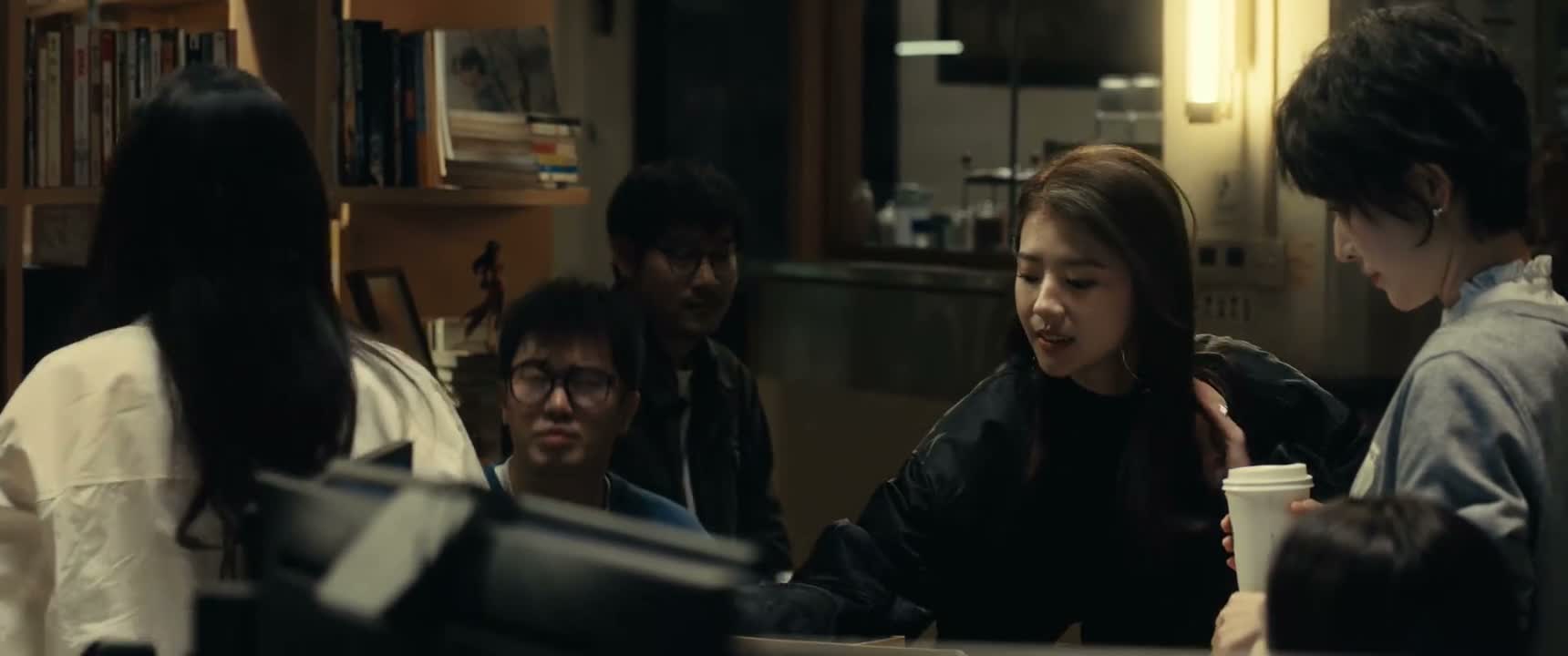 00:02
(把这么大一个烂摊子留给林总 谁谁 谁来填) ── Previous context
“Can you keep your voice down? Afraid she cannot hear you?”
[Scene: 其他场景]
(2 clips) 00:02
 00:02
[Scene: 家庭日常]
(1 clips) 00:02
[Scene: 社交聚会]
(1 clips) 00:03
(就是别人跟你说什么 骂你什么) ── Previous context
“you act like you don't hear it or don't understand.”
📌 行了行了
→Nuance: 同为劝别说了,理由不同
📌 行了行了
→Nuance: 意图同为劝阻说话,语义高度重合
📌 怎么办
→Nuance: 质问对方没反应的相近表达
📌 听见没有
→Nuance: 用反问句委婉责备要求小声
📌 我跟你说
→Nuance: 交际意图一致,均责备对方不理人
📌 不知道
→Nuance: 同指故意装作不知,口吻更口语
📌 是不是
→Nuance: 反问形式表达听说话的意图