误会了
wù huì leCommon spoken expression used by native Chinese speakers in daily life.
[Scene: 其他场景]
(6 clips) 00:02
(你干吗打我老爸) ── Previous context
“You've misunderstood me. How can I misunderstand? You made”
 00:03
(你怎么知道我先生身上有纹身啊) ── Previous context
“What's your relationship with him? No, please don't get me wrong.”
 00:03
 00:03
(你们仗着人多 是吧 我厂里也不少人呢 是 老板) ── Previous context
“Yes, sir. Don't misunderstand. We're here to move the goods. See? This is our moving gear.”
 00:03
(对啊 这超没超 超人了 这超人了吧) ── Previous context
“No, just to maintain order. See? It exceeds. You misunderstood.”
 00:03
(老子经过手的钱 你这辈子你都没见过) ── Previous context
“Honey, you've misunderstood. I really didn't mean that.”
[Scene: 社交聚会]
(5 clips) 00:02
 00:02
(赔罪 赔罪) ── Previous context
“It was a misunderstanding. I thought you were inviting me to a meal.”
 00:02
(只是太久没有见到她了 就不太熟了) ── Previous context
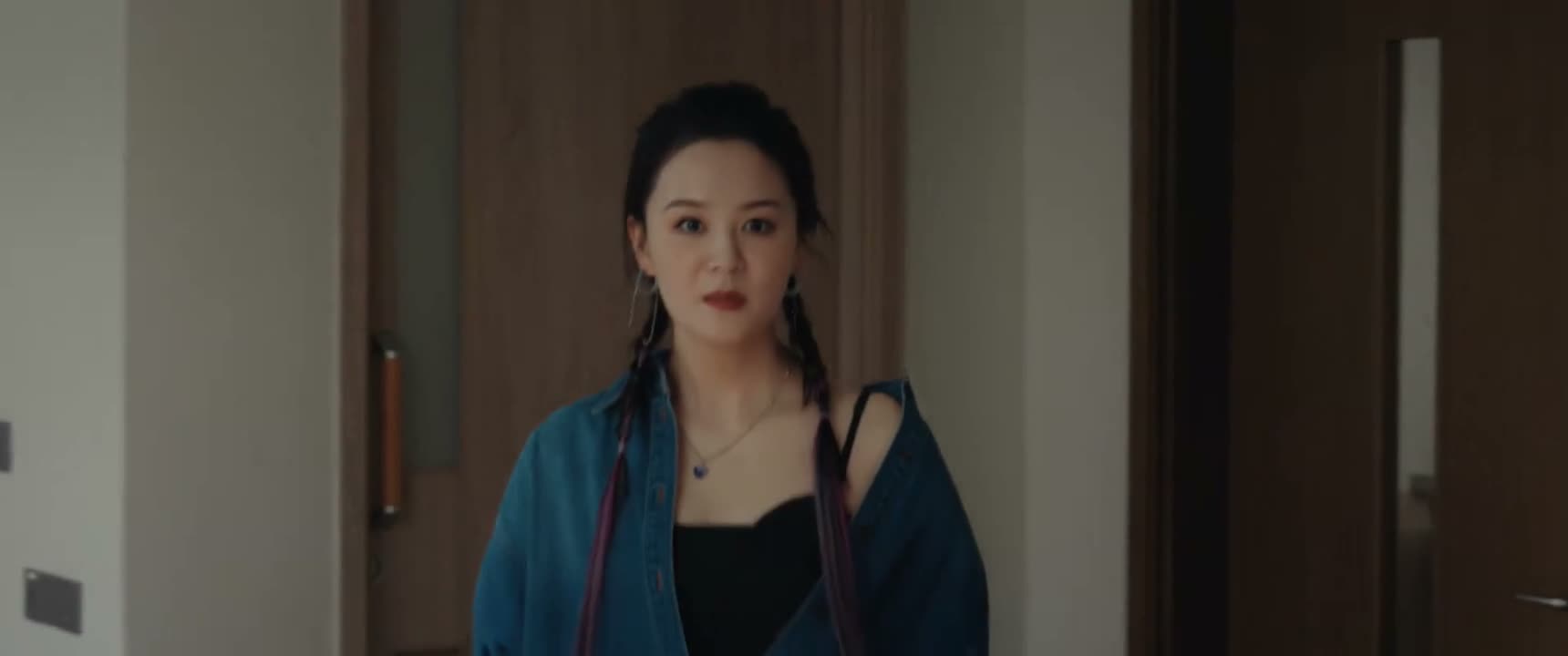
“and I don’t know what to say to her. I think you must have misunderstood me.”
 00:03
(你别打开 你真的 这是在干吗) ── Previous context
“Are you two married? No, not yet. Don't get us wrong. Have a seat.”
 00:03
(不玩了 走 走) ── Previous context
“It was a misunderstanding. One more round? No more. Trust me!”
[Scene: 其他场景]
(3 clips)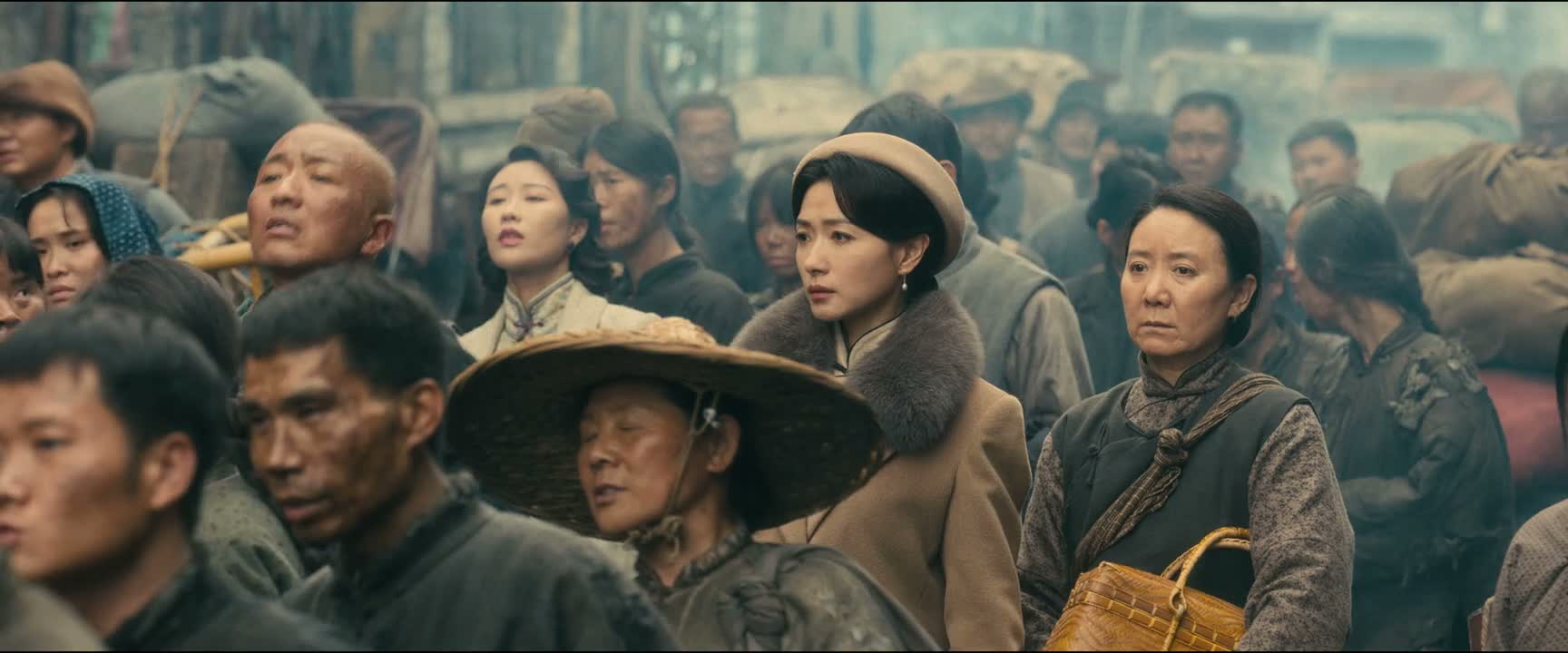 00:02
 00:03
(那是很久以前的事了) ── Previous context
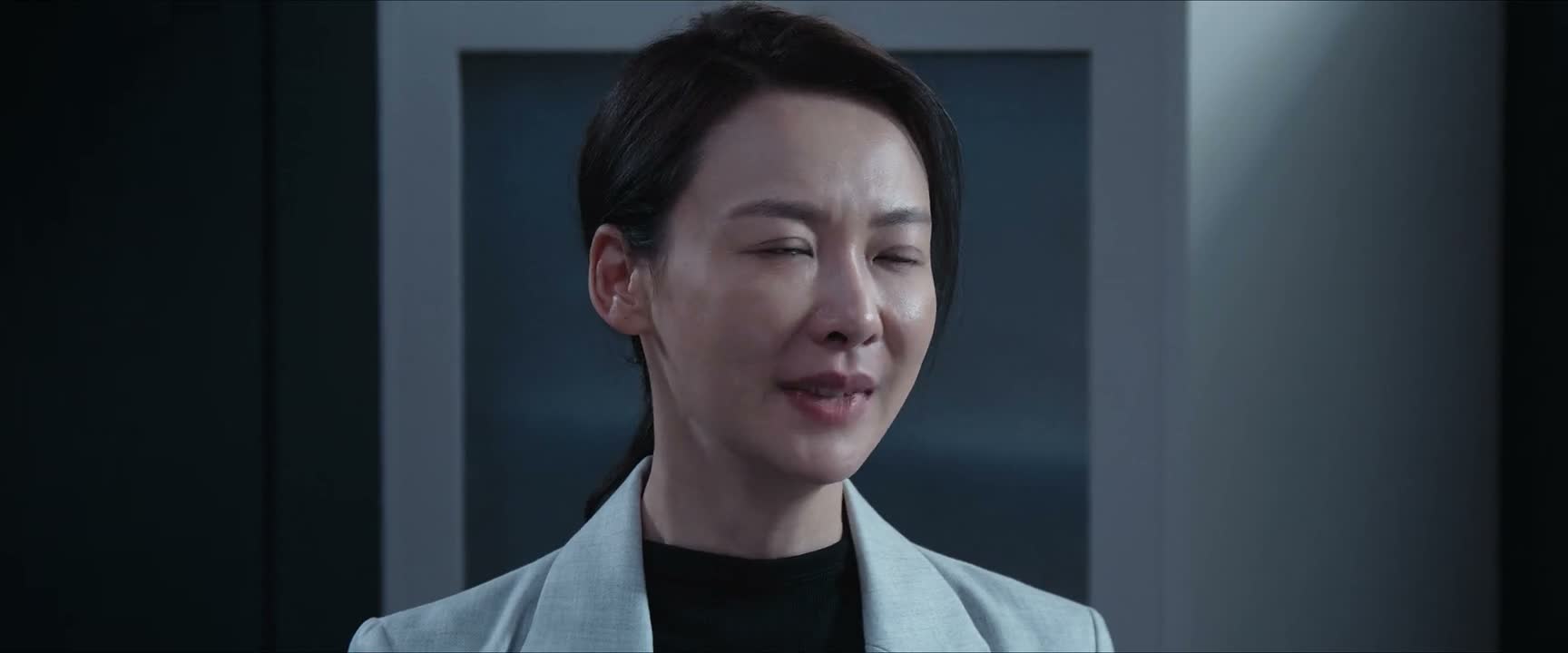
“Then explain it clearly. What if your significant other gets the wrong idea?”
 00:02
[Scene: 历史宫廷]
(3 clips) 00:02
 00:03
(等等) ── Previous context
“My lord, you've misunderstood. There's nothing between Miss Gu and me.”
 00:03
[Scene: 警匪刑侦]
(2 clips)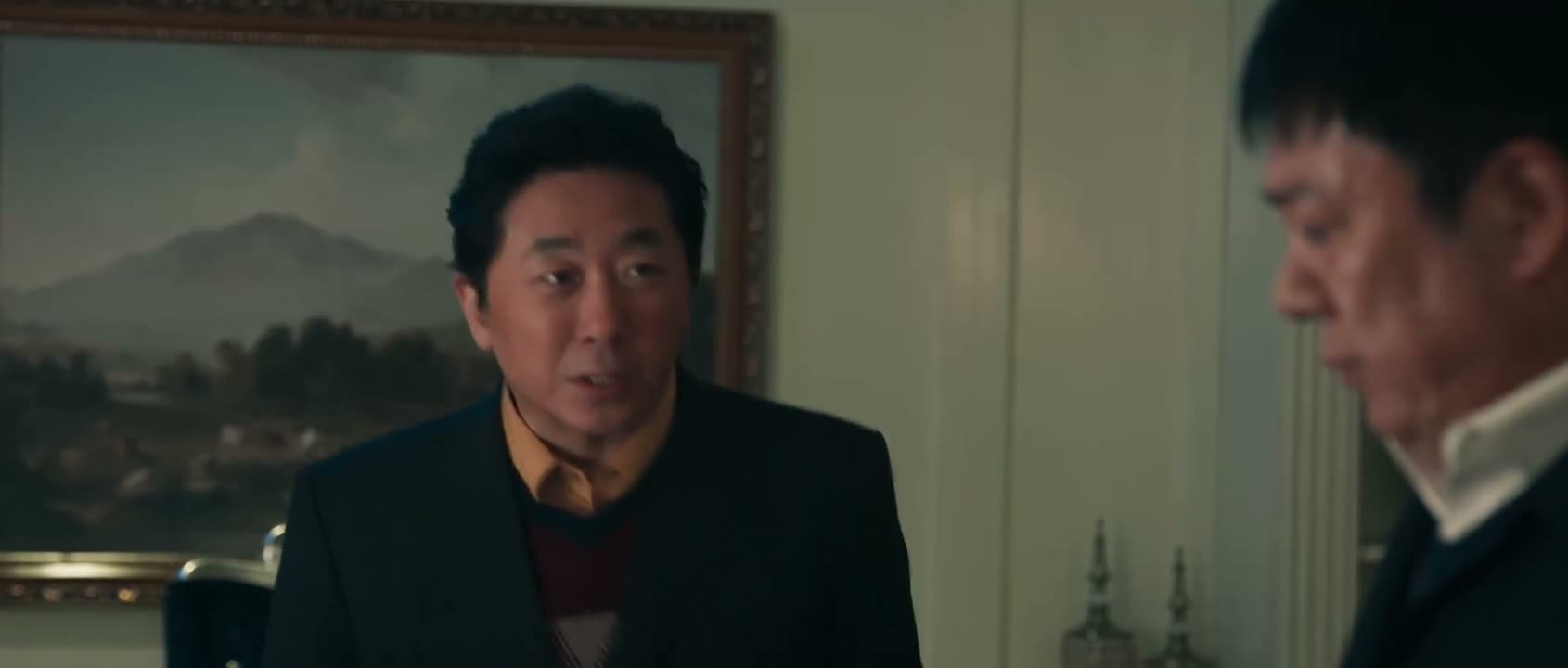 00:02
 00:03
(在这边瞎扯什么呢 你给我闭嘴) ── Previous context
“I'm sure you know what I mean. Mrs. Xu, you've really misunderstood.”
[Scene: 商务沟通]
(1 clips)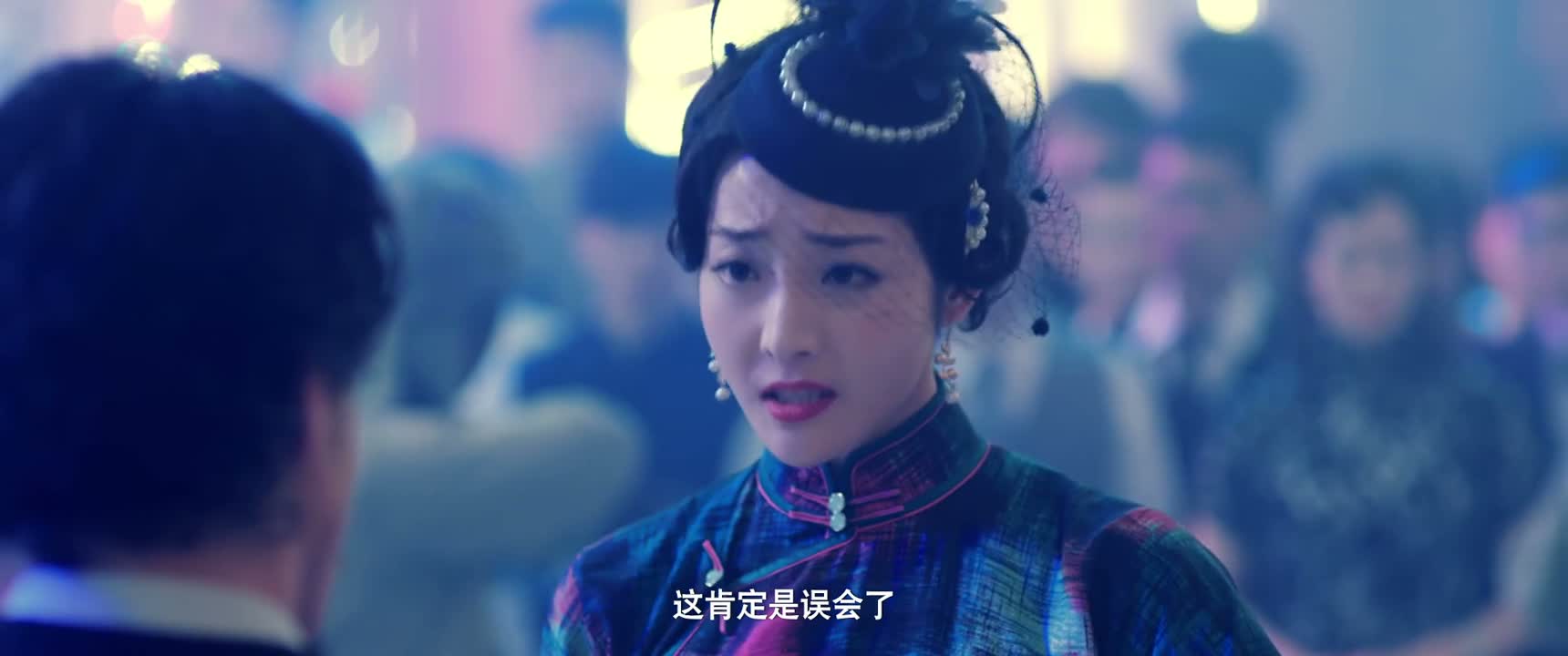 00:02
[Scene: 餐饮美食]
(1 clips) 00:02
[Scene: 家庭日常]
(1 clips) 00:02
[Scene: 职场工作]
(1 clips) 00:02
(这儿小商贩不能进 快走 快走) ── Previous context
“You misunderstood. I'm not a vendor, I'm...”
📌 你看看
→Nuance: 同为否认误会并引导查看
📌 对不起
→Nuance: 核心交际意图完全一致可互换
📌 不好意思
→Nuance: 同为言辞不当致歉的委婉表达
📌 姐
→Nuance: 同为言辞不当致歉的委婉表达
📌 不知道说什么
→Nuance: 共享核心口语谓词: [不知道]
📌 不知道
→Nuance: 共享核心口语谓词: [不知道]
📌 上心
→Nuance: 同向近义词根配对: [不用 ↔ 不要]
📌 是不是
→Nuance: 同为反驳对方质疑清白