想到了
xiǎng dào leCommon spoken expression used by native Chinese speakers in daily life.
[Scene: 其他场景]
(6 clips) 00:02
 00:02
 00:03
(这两天我一直在研究) ── Previous context
“figure out how you got trapped there. And finally, it hit me.”
 00:03
(一旦沾上人命 他定会交代些什么来保命) ── Previous context
“I have a plan. I've thought of a way too.”
 00:02
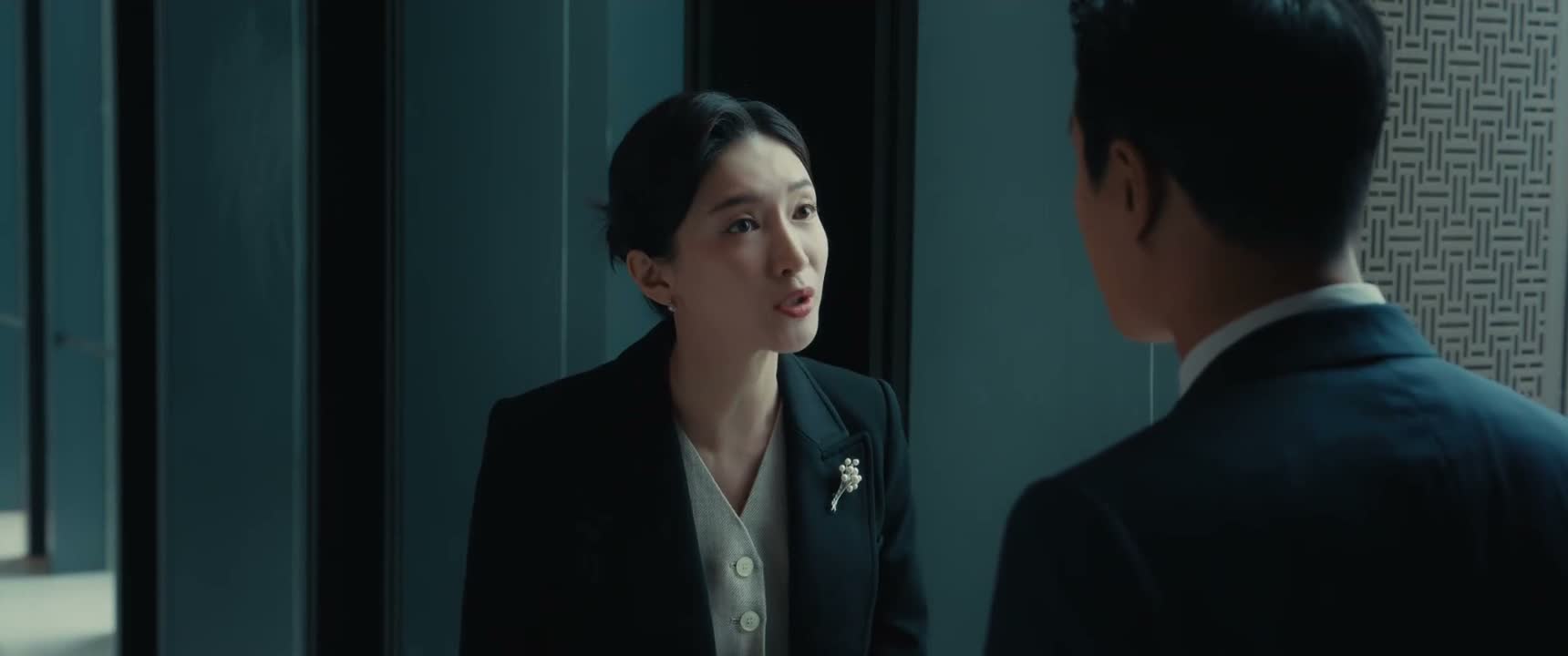 00:03
(我还有什么招可以出 还有什么招可以把他们打疼) ── Previous context
“So I thought of the sales conference. They care about reputation, right?”
[Scene: 警匪刑侦]
(3 clips) 00:03
(户籍信息) ── Previous context
“immigration records, plastic surgery; we thought of everything.”
 00:02
 00:02
[Scene: 社交聚会]
(3 clips) 00:03
 00:03
(我站上了天台 但我没有跳下去) ── Previous context
“because I thought of my family and friends who love me dearly.”
 00:02
[Scene: 其他场景]
(1 clips) 00:02
[Scene: 家庭日常]
(1 clips) 00:03
(你们的妈妈更聪明) ── Previous context
“I went out for a walk and came up with this brilliant idea.”
[Scene: 职场工作]
(1 clips) 00:02
(我要怎么辅助你工作 这就谈到重点了) ── Previous context
“I've decided to try a different approach. You immediately came to mind.”
📌 说不定
→Nuance: 均表达自己有解决方法
📌 怎么样
→Nuance: 同向近义词根配对: [那里 ↔ 那边]
📌 知道了
→Nuance: 同向近义词根配对: [已经 ↔ 早已]
📌 来了
→Nuance: 核心表意我想到了可替换
📌 我觉得
→Nuance: 核心均为主动认错自责连累对方
📌 本来
→Nuance: 同向近义词根配对: [已经 ↔ 早就]
📌 想好了
→Nuance: 同向近义词根配对: [已经 ↔ 早就]
📌 来
→Nuance: 同向近义词根配对: [已经 ↔ 早已]
📌 起来
→Nuance: 核心表意我想到了可替换