走就走
zǒu jiù zǒuCommon spoken expression used by native Chinese speakers in daily life.
[Scene: 社交聚会]
(6 clips) 00:02
 00:02
 00:03
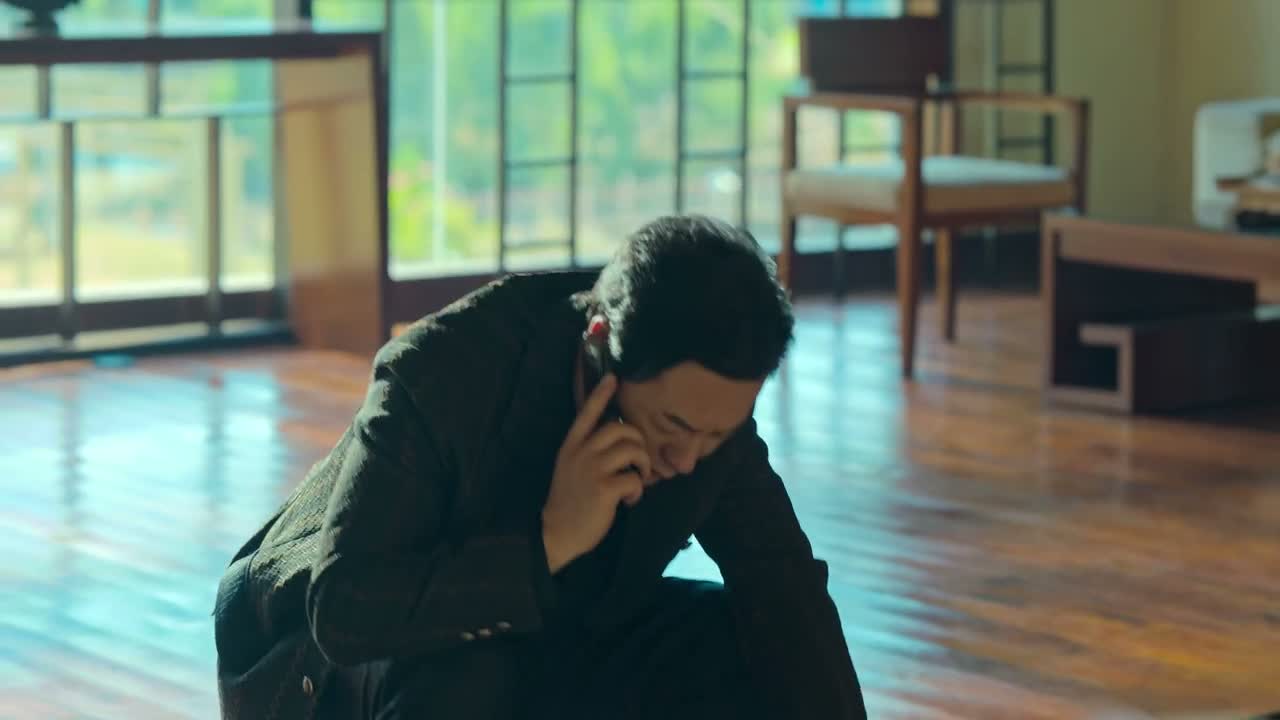 00:02
 00:02
 00:02
[Scene: 家庭日常]
(5 clips) 00:03
(我真是) ── Previous context
“I really shouldn't have indulged you so much. You just decide to leave”
 00:03
“You're leaving just like that. It's always like this. You never tell me earlier.”
 00:02
 00:02
 00:02
[Scene: 其他场景]
(4 clips) 00:03
(他要是不乐意 跟我讲就好了 我走啊) ── Previous context
“If he doesn't want it, you can just walk away with your toothbrush and toothpaste,”
 00:02
 00:02
 00:02
(那早就记挂着要回去 有不少人哪) ── Previous context
“just up and left without so much as a word.”
[Scene: 其他场景]
(2 clips) 00:03
(我对你吴山龙仁至义尽了) ── Previous context
“Am I the shareholder here or not? I can come and go whenever I want.”
 00:02
(谁敢走) ── Previous context
“This is my house. You can't come and go as you please.”
[Scene: 餐饮美食]
(1 clips) 00:03
(习惯就好了) ── Previous context
“That's the nature of their job. They leave at a moment's notice.”
[Scene: 职场工作]
(1 clips) 00:02
📌 你说你
→Nuance: 同义表达不打招呼就走
📌 不愿意
→Nuance: 同向近义词根配对: [如果 ↔ 要是]
📌 赶紧
→Nuance: 同向近义词根配对: [放肆 ↔ 放纵]
📌 走了
→Nuance: 同义表达不打招呼就走
📌 走了
→Nuance: 核心意图完全相同可直接互换
📌 不是
→Nuance: 同向近义词根配对: [为什么 ↔ 怎么]
📌 你说
→Nuance: 同义表达不打招呼就走
📌 打个招呼
→Nuance: 交际意图均为责备不打招呼就走