坐会
zuò huìCommon spoken expression used by native Chinese speakers in daily life.
[Scene: 社交聚会]
(7 clips) 00:02
 00:03
(你不也请我吃蛋糕了吗) ── Previous context
“The rain has stopped. I'll go back to the studio. Leave later, OK?”
 00:02
(这是路过的小孩送的) ── Previous context
“Thank you, Mr. Xiao. Why don't you come in for a while?”
 00:03
(那你帮我把这个拿走) ── Previous context
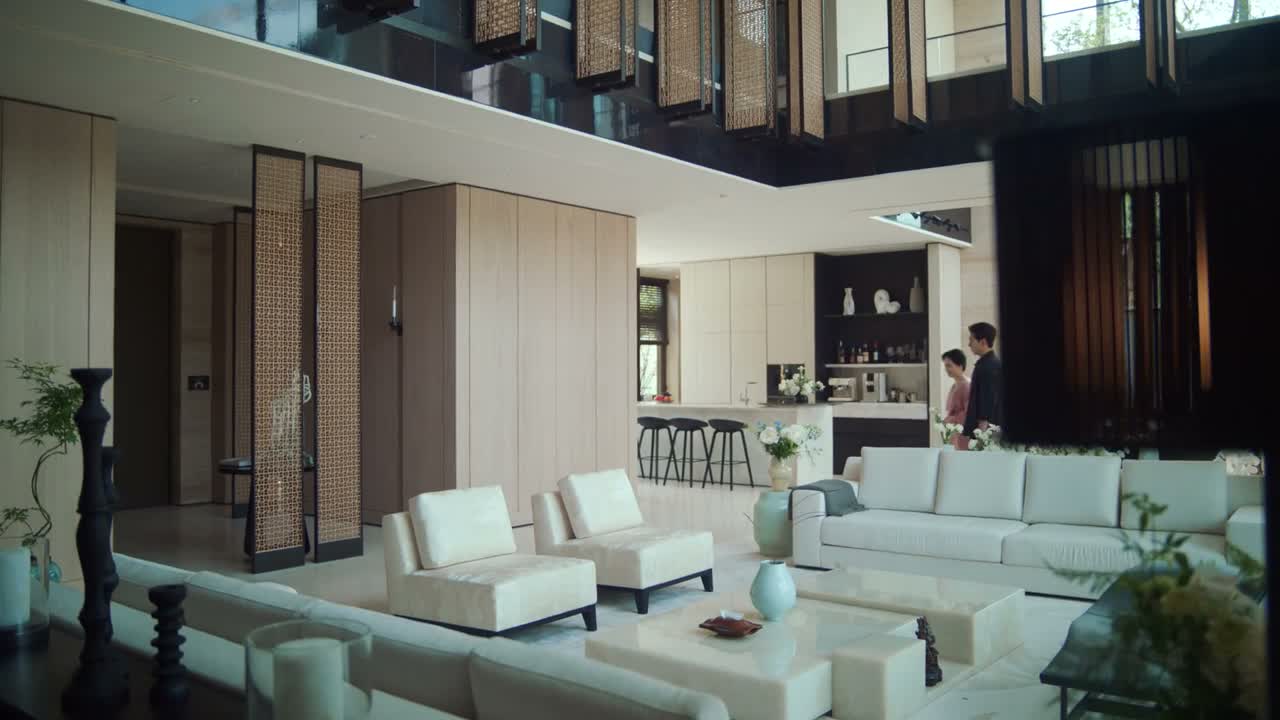
“I'm exhausted. I just want to sit quietly for a while. I don't want to be chased around.”
 00:03
 00:02
 00:02
[Scene: 家庭日常]
(4 clips) 00:03
(墓地的事 处理完了 都处理完了 放心) ── Previous context
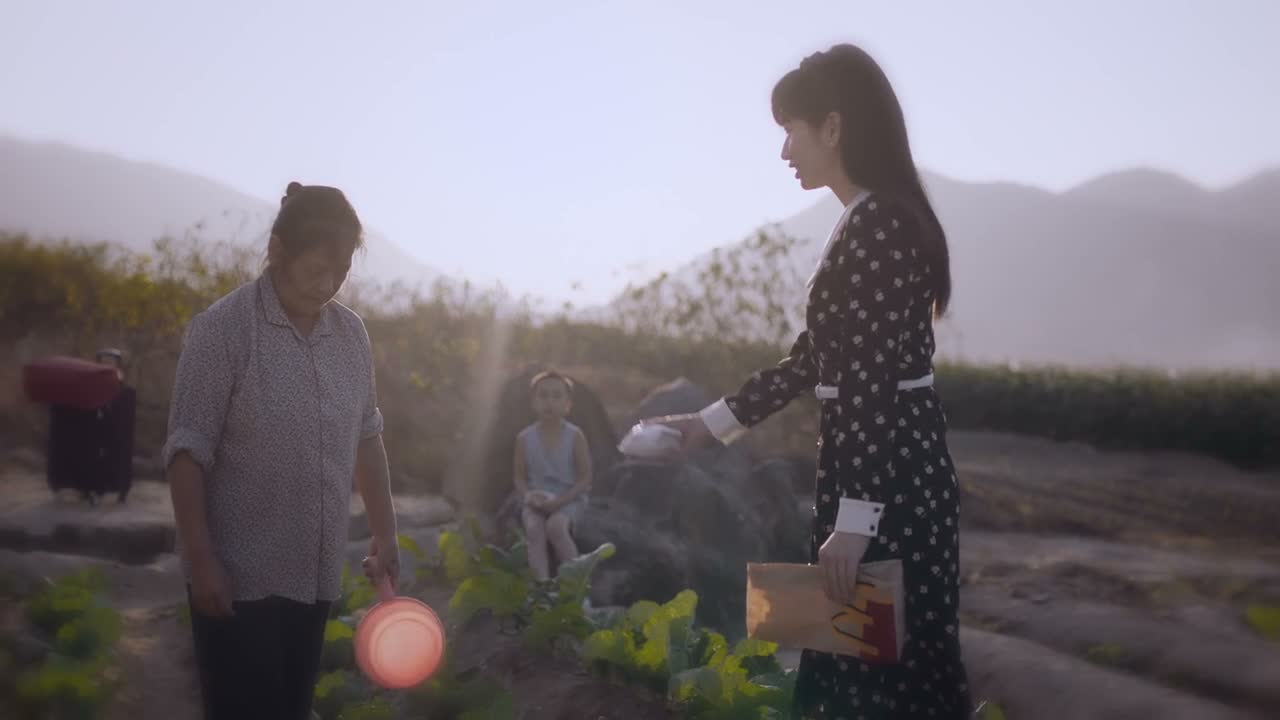
“Come sit for a while. I won't sit. We have to go to my mom's.”
 00:02
 00:02
 00:03
(在这儿待着干吗) ── Previous context
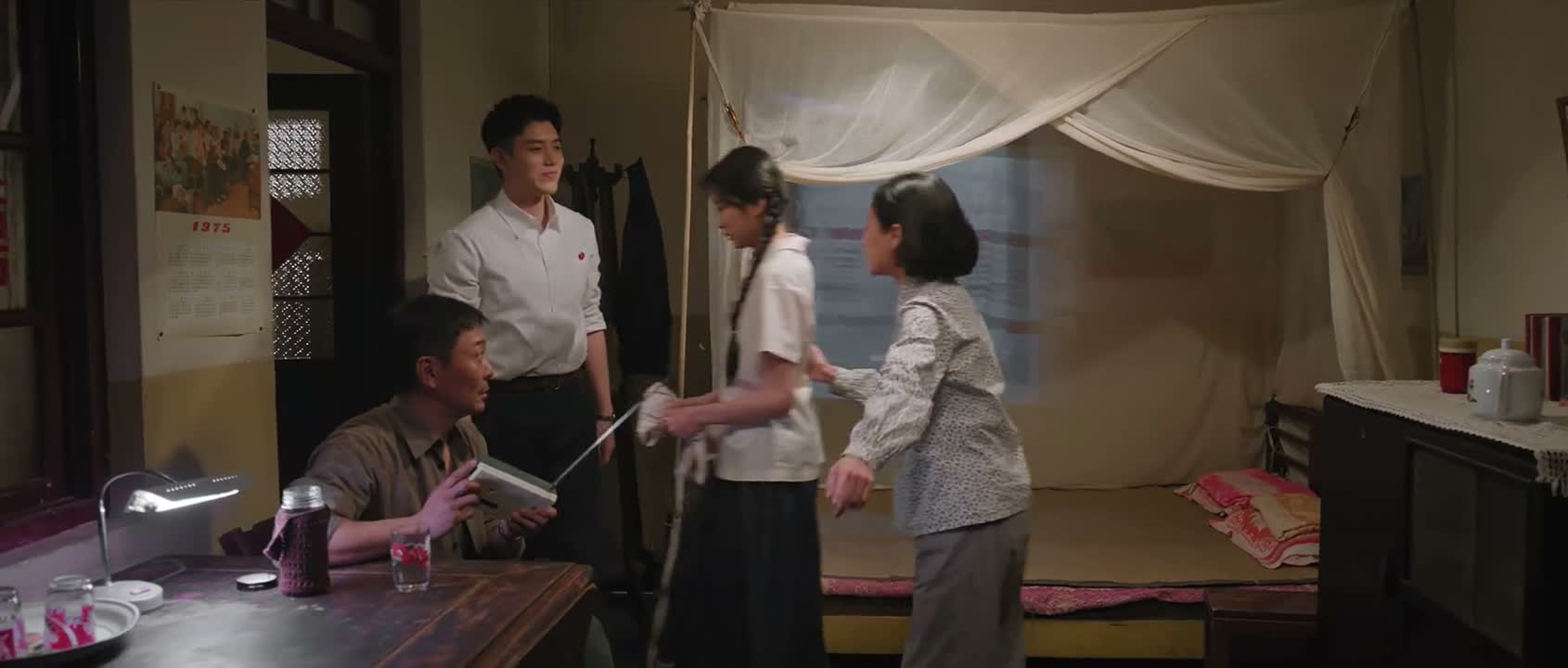
“Come and have a seat. Mom, he has basketball training today.”
[Scene: 其他场景]
(3 clips) 00:02
(多冷啊 走吧) ── Previous context
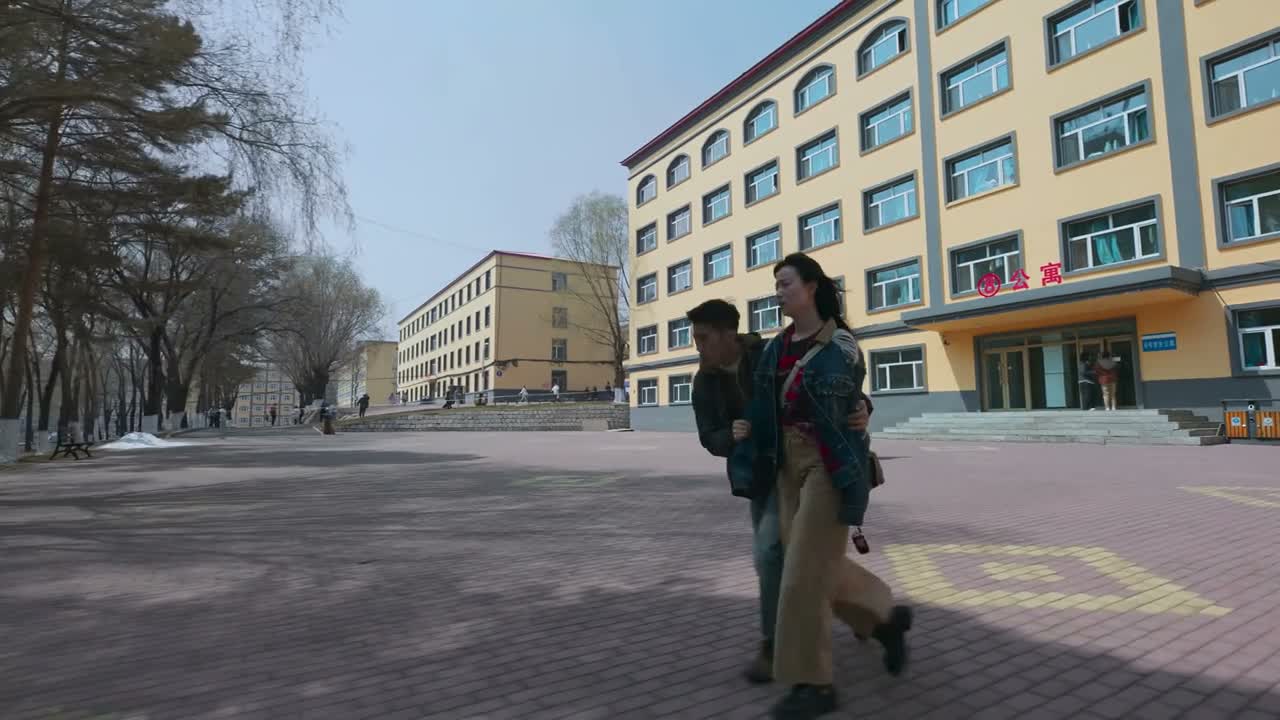
“You go back first. I want to stay here and sit for a while longer.”
 00:03
(低血压了吧) ── Previous context
“You really shouldn't get worked up so easily. Come on, sit down.”
 00:03
(你快歇会儿 给我 给我 这个给你 别 别 给我) ── Previous context
“Leave it here. Sit down and rest a bit. Feel free to tell me whenever you need help.”
[Scene: 其他场景]
(2 clips) 00:02
 00:02
[Scene: 其他场景]
(2 clips) 00:02
(一榔头下去谁受得了) ── Previous context
“You guys take a seat first. I'll go check on my husband.”
 00:02
[Scene: 职场工作]
(1 clips) 00:03
(走) ── Previous context
“Alright. Sit for a bit, Captain Tie. I'll be right back.”
📌 冷静点
→Nuance: 增加具体安抚动作口吻更柔和
📌 冷静点
→Nuance: 同为商量口吻劝人冷静
📌 好嘞
→Nuance: 交际意图完全一致,均让对方稍等
📌 快走
→Nuance: 同向近义词根配对: [我们 ↔ 咱们]
📌 尝尝
→Nuance: 核心交际意图皆为劝客品尝
📌 好吃
→Nuance: 同向近义词根配对: [我们 ↔ 咱们]
📌 姐
→Nuance: 核心交际意图均为放在这里
📌 搁这
→Nuance: 核心交际意图均为放在这里
📌 回来了
→Nuance: 同向近义词根配对: [一会儿 ↔ 会儿]