但也是那狂徒先图谋不轨
“it was that reckless man who first harbored ill intent.”
THE DIALOGUE REEL
此事虽然有错
“Although there was fault in this matter,”
但 也是 那 狂徒先 图谋不轨
“it was that reckless man who first harbored ill intent.”
“We made a mistake, but he provoked it first, so please do not punish us too harshly.”
Subordinates facing the emperor often balance admitting technical wrongdoing with shifting moral culpability to the victim or instigator, appealing to the monarch's supreme discretion to grant mercy.
LEARNING CHUNKS & PARTICLES
to harbor malicious intentions; to plot treacherous deeds
A formal idiom frequently used in legal and court dramas to describe premeditated wrongdoing or conspiracy.
a madman; a reckless, insolent scoundrel
A derogatory, archaic term used to denounce someone displaying outrageous, lawless behavior.
VOCABULARY & EXPRESSIONS
Parallel Spoken Cinema Scenes (语义近邻切片)
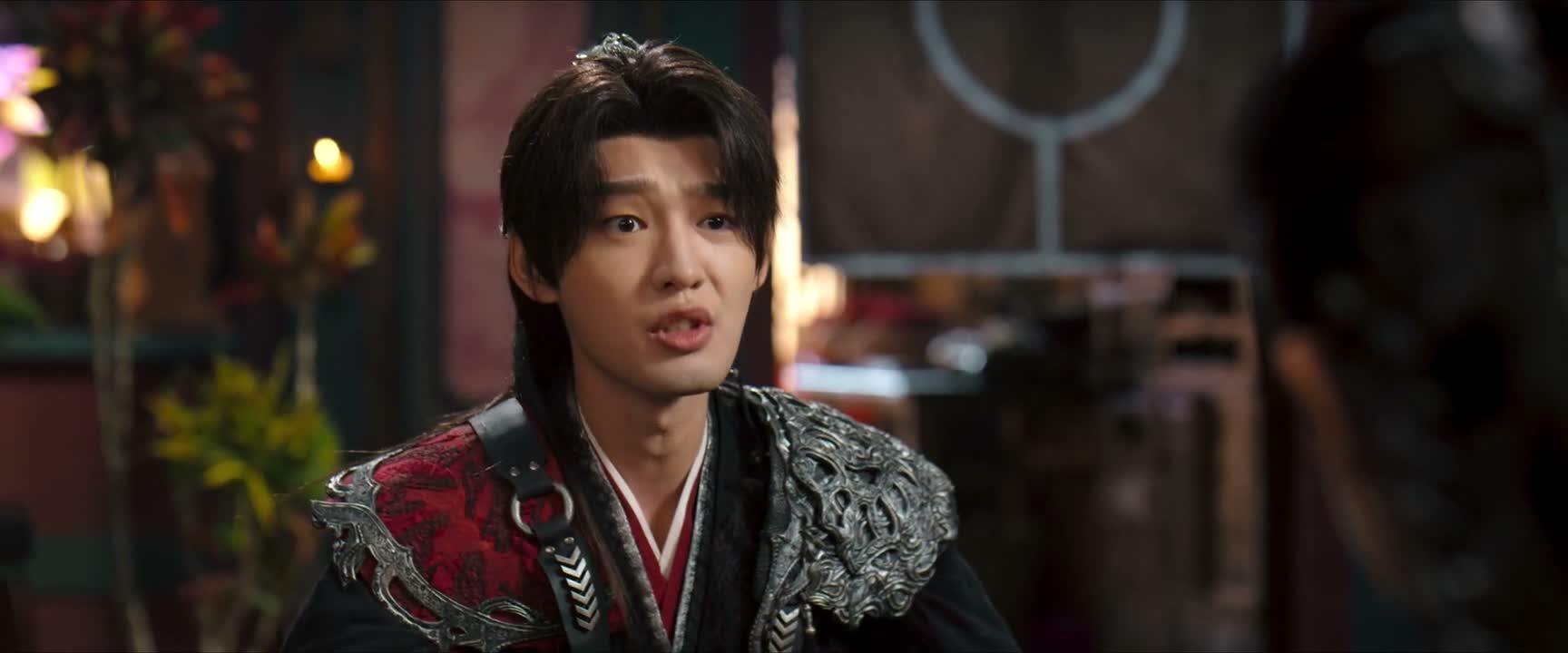
“a ruthless fugitive,”

“He made such a mess”

“the killer would go free.”

“They're a band of outlaws.”

“What a mad gambler.”

“- But someone this bold? - Thanks. This is a first.”