不敢当
bù gǎn dāngCommon spoken expression used by native Chinese speakers in daily life.
[Scene: 社交聚会]
(4 clips) 00:02
 00:03
(也算是尽了 一个中国人的责任了 谢谢您) ── Previous context
“Thank you on behalf of Yunkui. I don't deserve it.”
 00:02
 00:02
[Scene: 其他场景]
(3 clips) 00:03
(你要干吗) ── Previous context
“Dare to do, not admit? - Wait, under the emperor's nose... - What...”
 00:03
(就是一个又渣又𪨊的混蛋 无耻 虚伪 冷血) ── Previous context
“Messing around with a client, and not even having the guts to admit it!”
 00:03
(你到现在还在执迷不悟 你就是无法面对楼越) ── Previous context
“didn't dare tell her to her face. You timed that message”
[Scene: 历史宫廷]
(3 clips) 00:02
(家父久盼秦小侯到来 正在书房 已候多时了) ── Previous context
“I'm not the Young Marquis. Please mind your words.”
 00:02
 00:02
[Scene: 商务沟通]
(1 clips) 00:02
(这几位是我们月海 优秀的企业家们 是是是) ── Previous context
“I'm flattered. Hearing you came all this way,”
[Scene: 其他场景]
(1 clips) 00:02
[Scene: 职场工作]
(1 clips)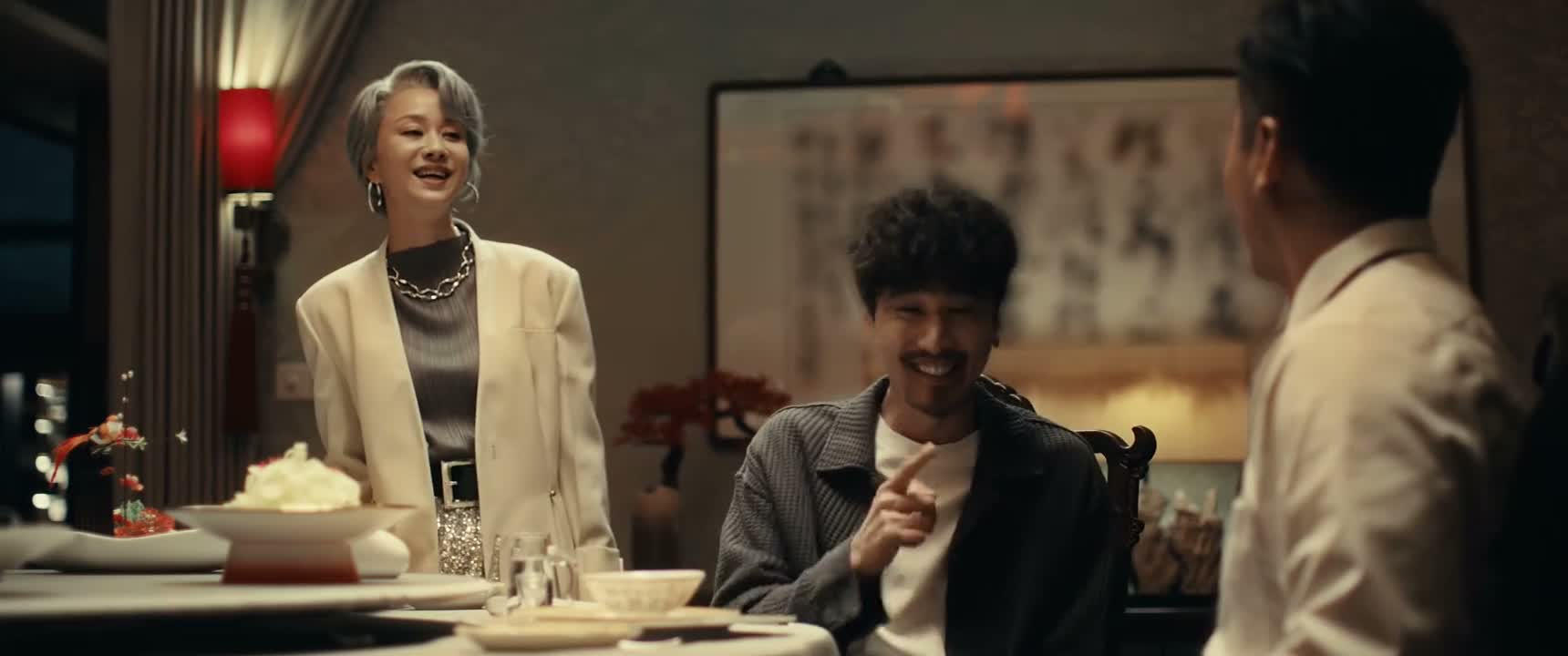 00:03
(这个《盖世我主宰》 就这种了) ── Previous context
“You're a marketing genius, Mr. Du. You flatter me, Mr. He.”
📌 不敢认
→Nuance: 同指敢做不敢当/认
📌 来
→Nuance: 核心交际意图完全一致的谦辞
📌 不一样
→Nuance: 同向近义词根配对: [皇帝 ↔ 天子]
📌 不敢
→Nuance: 同为不敢居功的客套谦辞
📌 不敢
→Nuance: 核心交际意图完全一致的谦辞
📌 听说
→Nuance: 核心交际意图完全一致的谦辞
📌 就是不一样
→Nuance: 同向近义词根配对: [皇帝 ↔ 天子]
📌 请自重
→Nuance: 均提醒对方言行举止自重慎言
📌 什么
→Nuance: 句式同构均为自谦不敢居功