吃顿饭
chī dùn fànCommon spoken expression used by native Chinese speakers in daily life.
[Scene: 餐饮美食]
(7 clips) 00:02
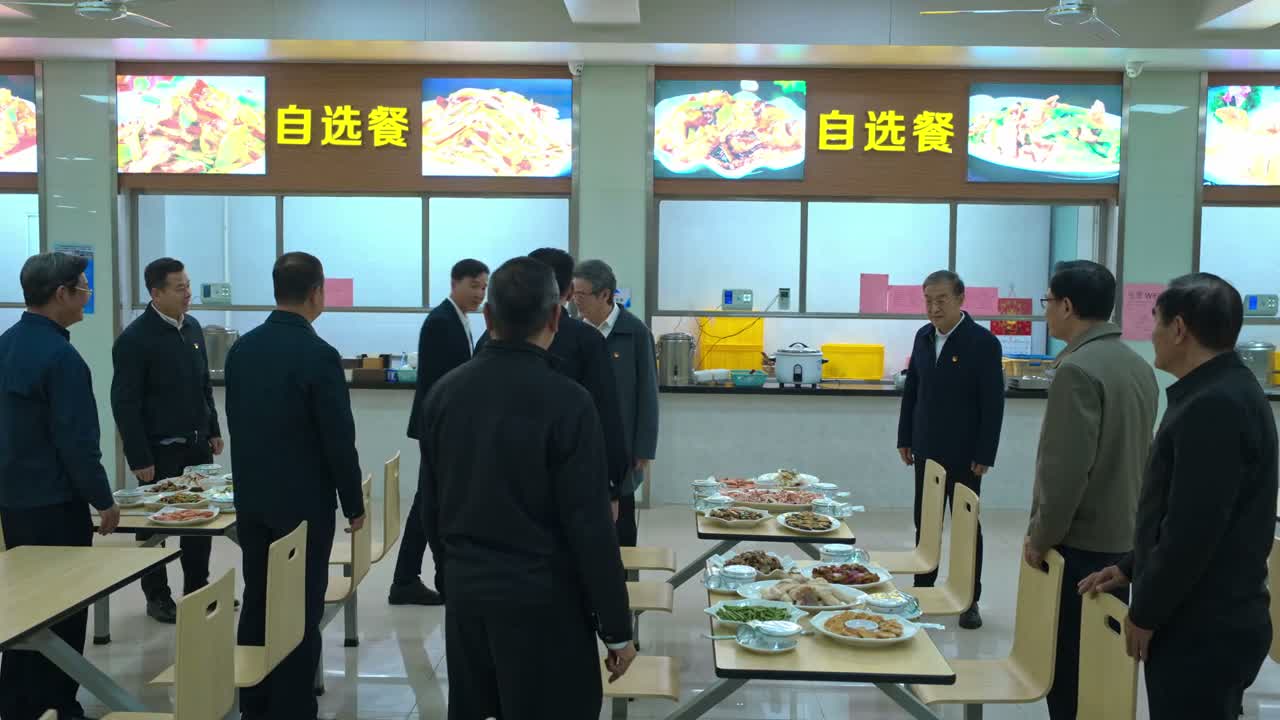 00:02
 00:03
(累都累死了 还吃什么呢 对啊) ── Previous context
“Driving two hours for lunch, then another two hours back,”
 00:02
 00:02
 00:02
(他很馋 干妈的家常菜) ── Previous context
“and he hasn't had a proper meal at home for a long time.”
 00:03
(到今天 我是万万没想到) ── Previous context
“we still have the chance to have a meal together.”
[Scene: 社交聚会]
(7 clips) 00:03
(等你回来) ── Previous context
“you must give me a chance to treat you to a nice meal.”
 00:03
(我好不容易才跟陈东华师兄 攀上关系 争取了好久) ── Previous context
“before he agreed to have a meal with you. Don't ignore it.”
 00:02
 00:02
 00:03
(你这见色忘义 是不是表现得太明显了一点) ── Previous context
“that you've forgotten your friends over a crush. As your important matchmaker, you've never treated me to a meal”
 00:03
(我在家的时候 月亮老跟我提起你们) ── Previous context
“And I wanted to invite you to dinner long ago, but I've always been busy”
 00:03
(那就去啊) ── Previous context
“As an older sister, it's only right that she treats you to a meal”
[Scene: 家庭日常]
(4 clips) 00:03
(真不容易) ── Previous context
“It feels like the whole family has not sat down for a meal in ages.”
 00:02
 00:02
 00:02
[Scene: 历史宫廷]
(2 clips) 00:03
(可喝多了也伤神 马上就要用午膳了) ── Previous context
“Go have a good lunch with Yu and get some sleep.”
 00:02
[Scene: 商务沟通]
(1 clips) 00:02
[Scene: 其他场景]
(1 clips) 00:03
(你不是说了 已经不和她再来往了吗) ── Previous context
“We just happened to run into each other at a lecture. What's wrong with having a meal together?”
[Scene: 其他场景]
(1 clips) 00:03
[Scene: 其他场景]
(1 clips) 00:03
📌 没事
→Nuance: 留客吃饭与推辞拒绝意图完全一致
📌 放心
→Nuance: 同向近义词根配对: [我们 ↔ 咱们]
📌 好好吃
→Nuance: 均感慨很久没一起吃顿饭
📌 不容易
→Nuance: 同义表达难得聚会吃饭
📌 在家
→Nuance: 均感慨很久没一起吃顿饭
📌 好吃
→Nuance: 均感慨很久没一起吃顿饭
📌 姐
→Nuance: 均以姐妹情谊劝客用餐
📌 赶紧
→Nuance: 同向近义词根配对: [工作 ↔ 干活]
📌 怎么就
→Nuance: 同向近义词根配对: [感觉 ↔ 觉得]
📌 你吃
→Nuance: 感叹久未相聚吃饭