出了什么事
chū le shén me shìCommon spoken expression used by native Chinese speakers in daily life.
[Scene: 家庭日常]
(4 clips) 00:02
(三舅舅 你这么晚来) ── Previous context
“because Zhao and Uncle Yanlai were in some trouble?”
 00:03
 00:02
 00:03
[Scene: 历史宫廷]
(3 clips) 00:03
(皇上见殿下匆匆离席 特遣奴才来问) ── Previous context
“and sent me to inquire whether something has happened. I must see His Majesty immediately.”
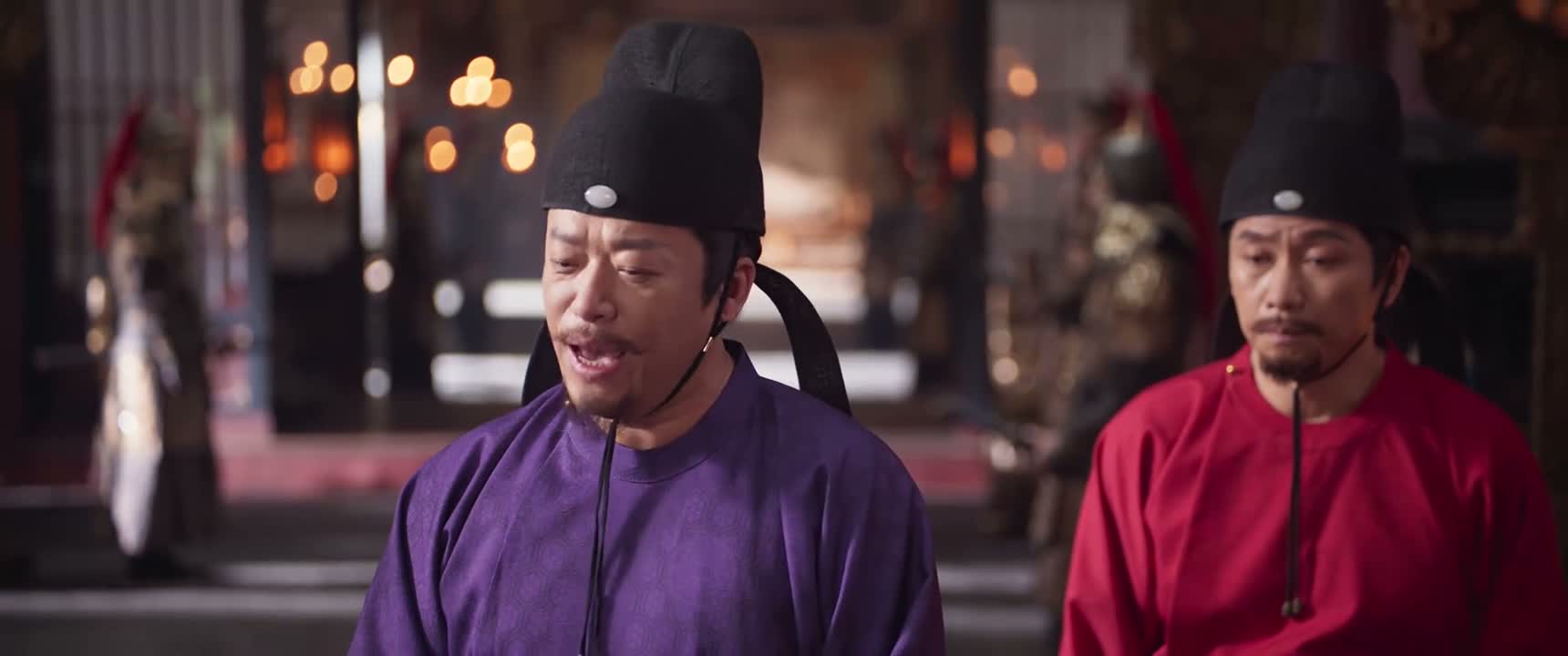 00:02
 00:03
(郎君) ── Previous context
“- Master, could something have happened - What happened? to your friend from Cangbei, which is why she couldn't come?”
[Scene: 其他场景]
(2 clips) 00:02
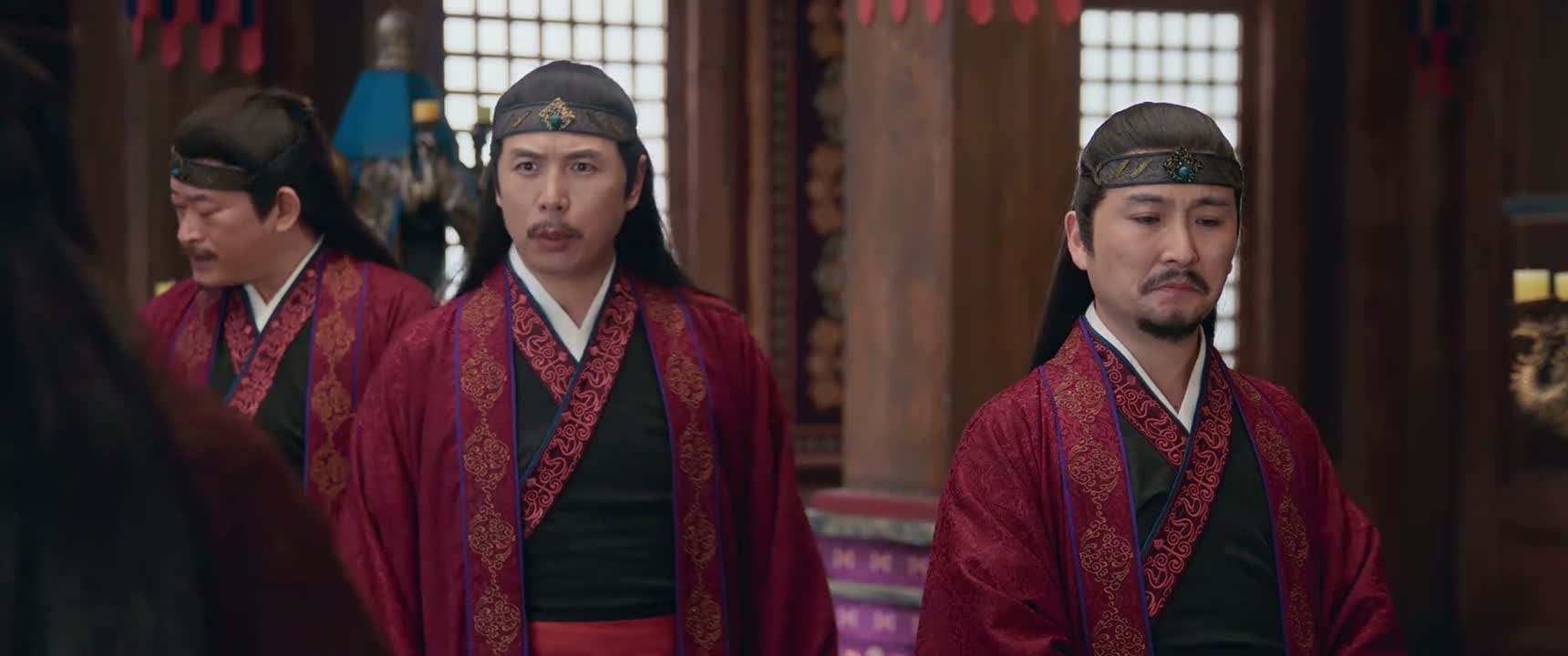 00:02
[Scene: 社交聚会]
(2 clips) 00:03
(是魏庄师兄陪我一起来的) ── Previous context
“If anything happens, he'd certainly be able to take care of me.”
 00:03
(这次为什么突然回厦城) ── Previous context
“with so many foreigners? Did something happen?”
[Scene: 其他场景]
(1 clips) 00:03
(我) ── Previous context
“Why would I suddenly have to go back? What has happened?”
[Scene: 警匪刑侦]
(1 clips) 00:03
(所以梅里特的案件很合适 成为我们第一个重新调查的案子) ── Previous context
“We're determined to find, uh, what happened to her,”
[Scene: 职场工作]
(1 clips) 00:03
(可是我把丑话 说到前头啊) ── Previous context
“If anything happens, I won't take responsibility.”
📌 你说你
→Nuance: 同为假设出事但缺指向对象
📌 意外
→Nuance: 同向近义词根配对: [意外 ↔ 万一]
📌 回来了
→Nuance: 同向近义词根配对: [为什么 ↔ 为何]
📌 是不是
→Nuance: 针对对方的直接关切询问
📌 成洋人
→Nuance: 同向近义词根配对: [外国人 ↔ 洋人]
📌 人家
→Nuance: 同向近义词根配对: [外国人 ↔ 洋人]
📌 不是
→Nuance: 针对对方的直接关切询问
📌 别紧张
→Nuance: 同为关切安抚对方情绪