闯祸
chuǎng huòCommon spoken expression used by native Chinese speakers in daily life.
[Scene: 家庭日常]
(5 clips) 00:02
(您就教导教导她吧 她已出师 既有这样的自信) ── Previous context
“let her clean up her own mess. It'll be a good lesson for her.”
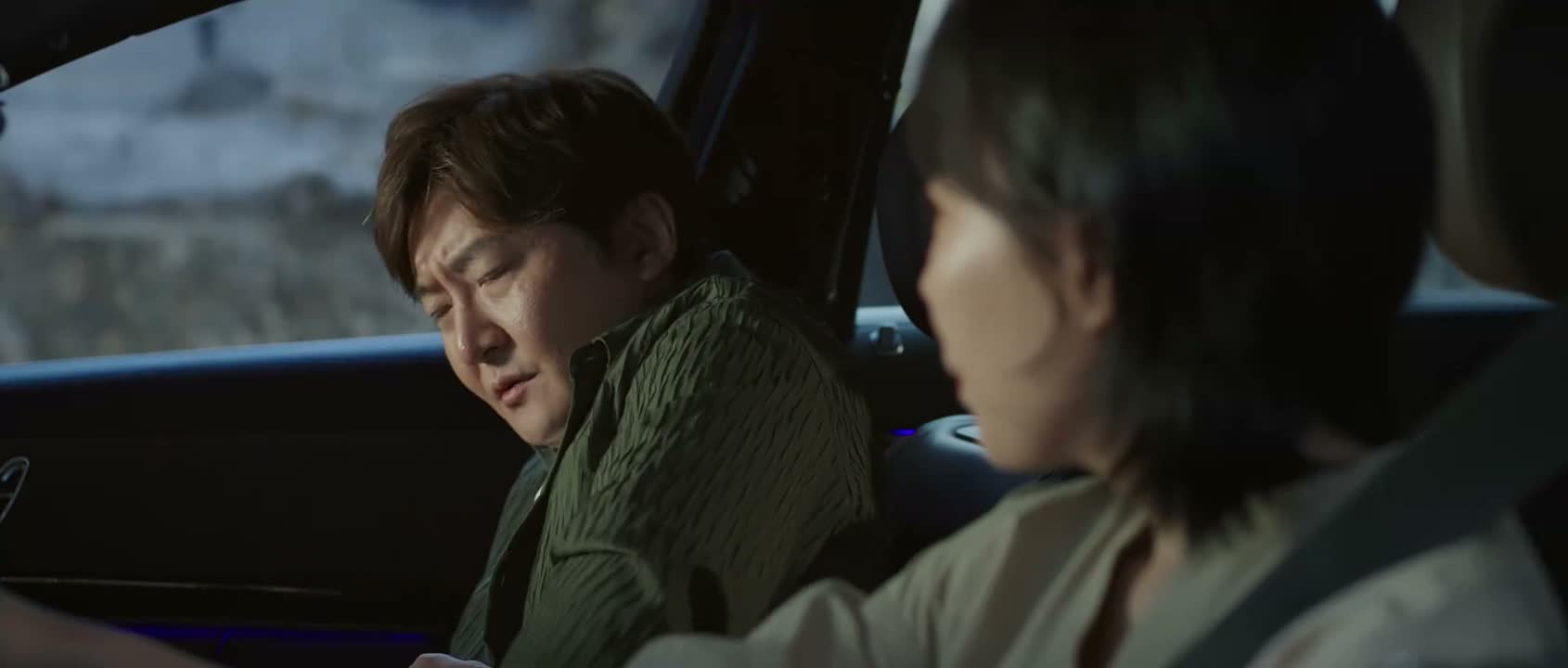 00:02
 00:03
(我让你骗人) ── Previous context
“Causing a mess! Alright, alright. That's enough. Touch the car again,”
 00:03
(正好我渴了) ── Previous context
“Tell me, did you get into trouble again and make Mommy mad?”
 00:03
(这就是 爱得深沉) ── Previous context
“When we were children, it was like this, right? We made trouble,”
[Scene: 其他场景]
(3 clips) 00:03
(我们接着踹 你快让开 你让开 你别拦着了) ── Previous context
“If you keep doing this, Mr. Zheng will cause big trouble.”
 00:03
(因为他们本身就是麻烦) ── Previous context
“Kids cause trouble and get beaten, while adults end up in jail.”
 00:02
[Scene: 警匪刑侦]
(1 clips) 00:03
[Scene: 职场工作]
(1 clips) 00:03
(我什么呀) ── Previous context
“You've caused such a huge mess, and I still kept you. Do you know why?”
📌 行行行
→Nuance: 核心交际意图皆为责怪惹妈生气
📌 从小到大
→Nuance: 同指从小惹祸,表述更谦逊
📌 从小到大
→Nuance: 同向近义词根配对: [这样 ↔ 这么]
📌 可不是
→Nuance: 同向近义词根配对: [这样 ↔ 这么]
📌 不是
→Nuance: 同向近义词根配对: [这样 ↔ 这么]
📌 生气
→Nuance: 核心交际意图皆为责怪惹妈生气