对质
duì zhìCommon spoken expression used by native Chinese speakers in daily life.
[Scene: 其他场景]
(6 clips) 00:02
 00:03
(任何一个人发现你 都是死路一条 我不怕) ── Previous context
“I'm waiting for him to arrest me. I'm going to confront him face to face.”
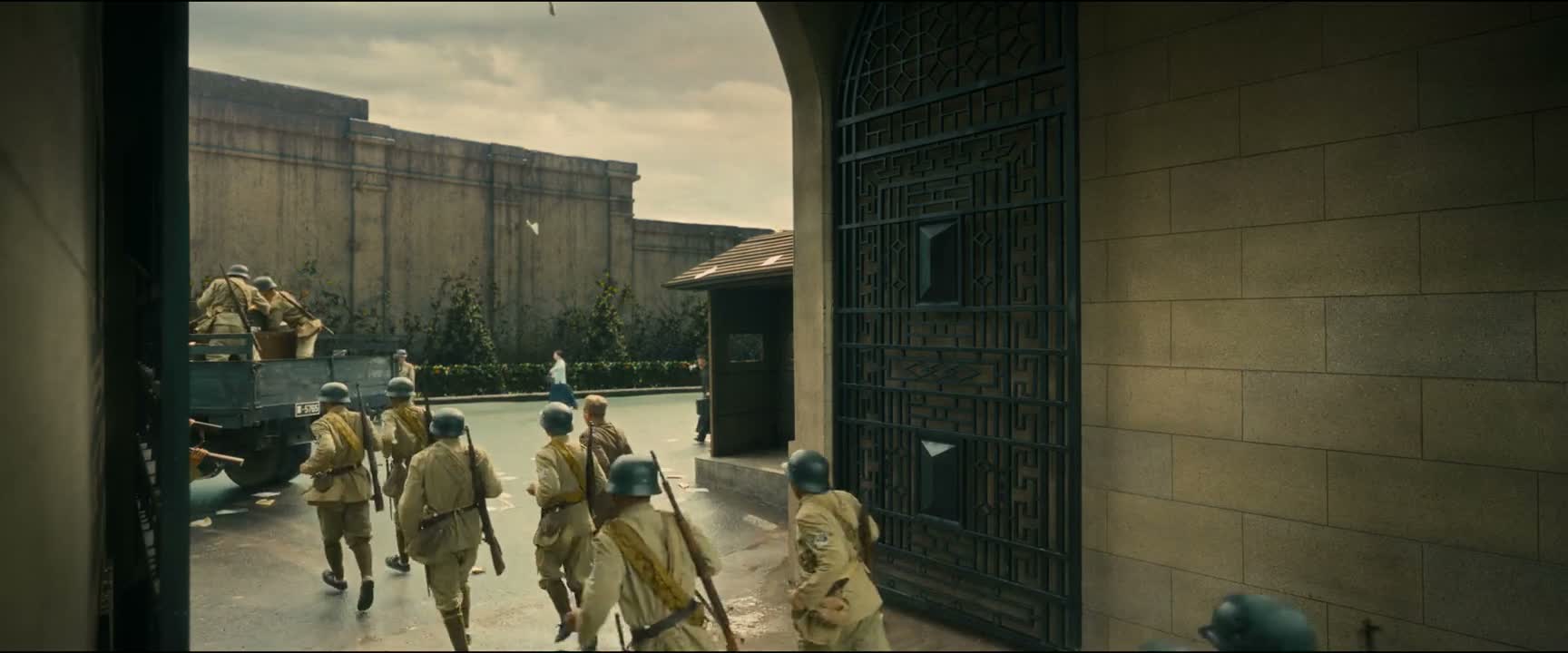 00:03
(蒋中正) ── Previous context
“Come out, all of you! Great-grandfather! I want to confront them!”
 00:03
(我跟夏晓兰可没什么 你再胡说 给你抓派出所去) ── Previous context
“Did you see it with your eyes? Dare you come to confront me?”
 00:03
 00:02
[Scene: 警匪刑侦]
(4 clips)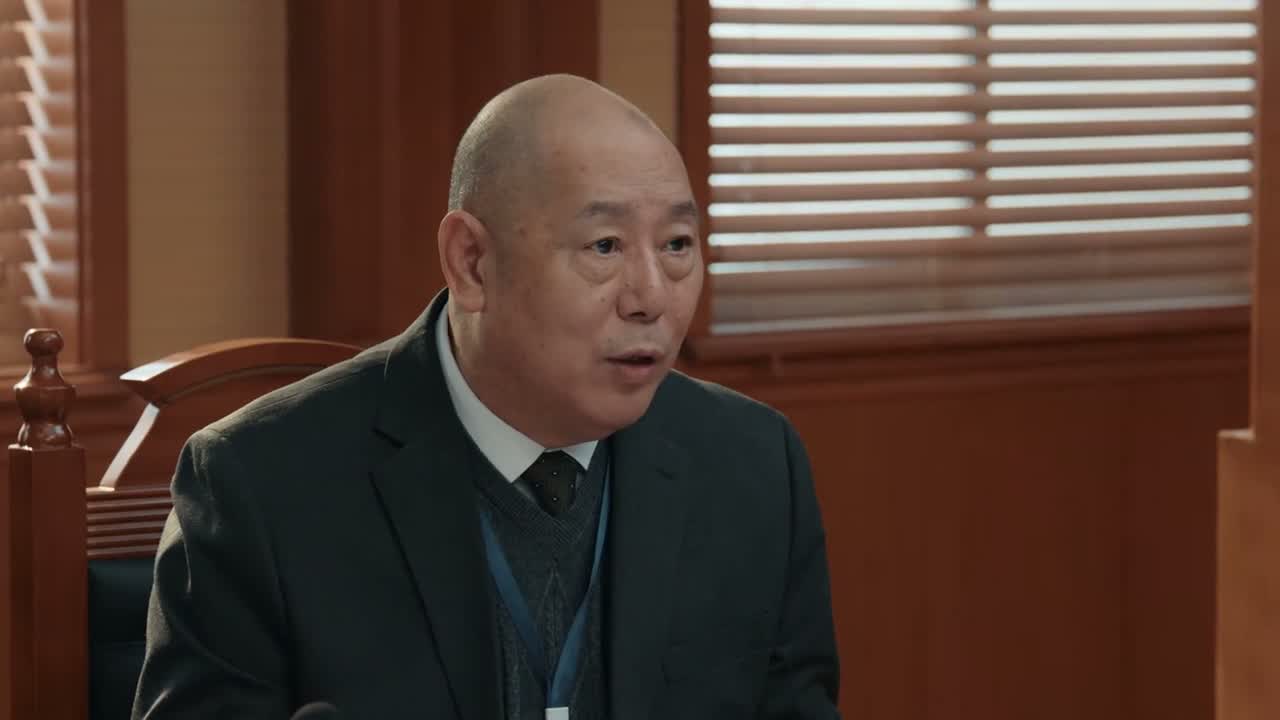 00:02
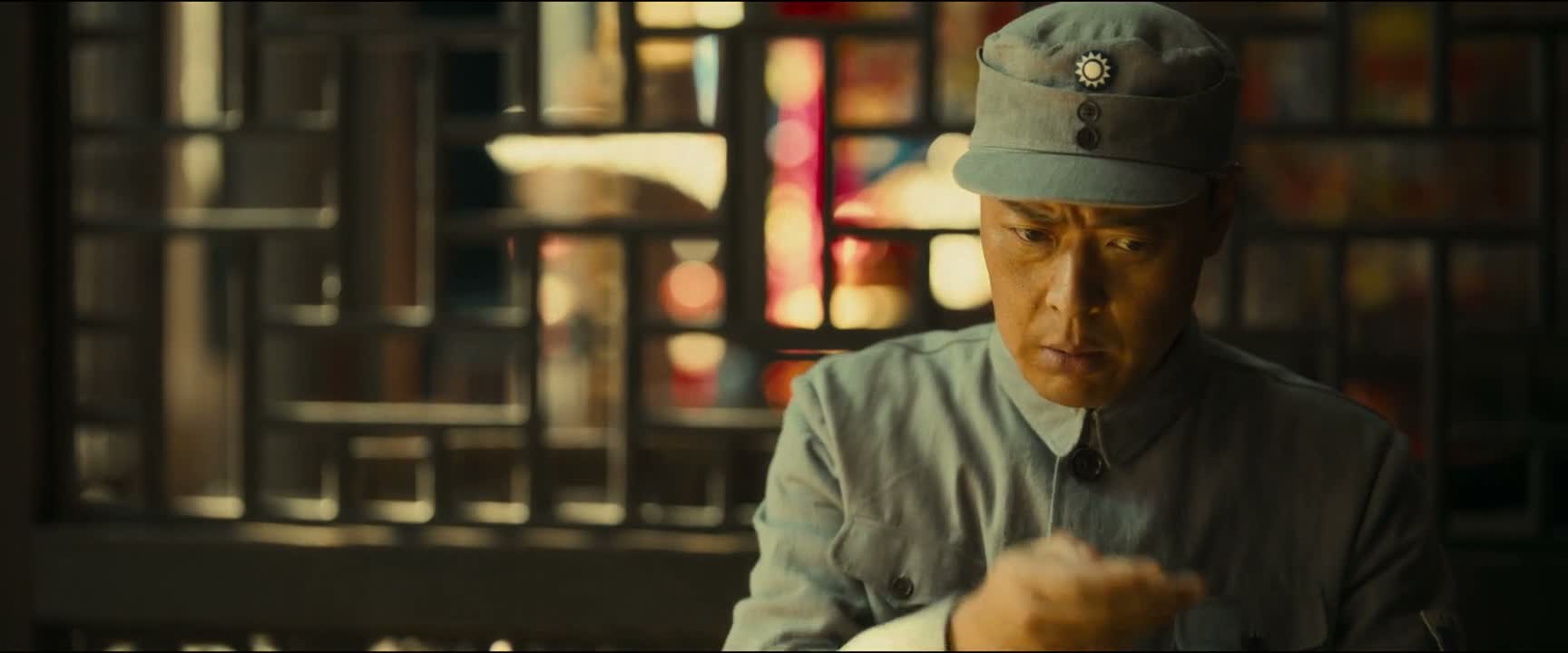 00:03
(您说有人举报) ── Previous context
“You can call that person here so we can confront them face to face.”
 00:02
 00:03
(全是冉叔叔 当年搜集到的你的杀人证据) ── Previous context
“Do I need to take it out and confront you with it piece by piece?”
[Scene: 历史宫廷]
(1 clips) 00:03
(可这贪财在好色的前边 惜命更在这贪财的前边) ── Previous context
“If you want, bring her here to confront me.”
📌 叫过来
→Nuance: 核心交际意图均为让对方叫她来
📌 有什么资格
→Nuance: 同向近义词根配对: [需要 ↔ 要求]
📌 来
→Nuance: 反问句式相同均表达已无须多问
📌 怎么那么
→Nuance: 同向近义词根配对: [那样 ↔ 那么]
⚡ 到底
→Contrast: 一为辩白对质,一为追查到底
⚡ 怎么突然
→Contrast: 极性反义对撞: [那样 ↔ 这样]
⚡ 就要
→Contrast: 一为辩白对质,一为追查到底
⚡ 查到底
→Contrast: 一为辩白对质,一为追查到底
⚡ 一查到底
→Contrast: 一为辩白对质,一为追查到底
⚡ 这个
→Contrast: 极性反义对撞: [不能 ↔ 可以]