好多了
hǎo duō leCommon spoken expression used by native Chinese speakers in daily life.
[Scene: 其他场景]
(7 clips) 00:02
 00:03
 00:02
 00:03
 00:02
 00:03
(我看你这个车就挺不错的 挺好的) ── Previous context
“Much better than the last one. How is it better?”
 00:03
(走) ── Previous context
“Are you feeling better? Yes, I can stand up straight. Does it feel comfortable?”
[Scene: 职场工作]
(5 clips) 00:02
(你可以给它排成由少到多 这样方便看) ── Previous context
“Take a look. Does this look better? Isn't it much better?”
 00:03
 00:02
(我再跟你对接时间 也谢谢你的红枣茶) ── Previous context
“You look much more energetic now. Get some good rest when you get back.”
 00:03
(完全没有那么冗杂 你真别说) ── Previous context
“The game's trial experience is much better now. Lv, Yada.”
 00:03
(你最近唱得也很好 你看 她这口音跟唱腔大有提高) ── Previous context
“- Much better. - Keep practicing. Give it a little more time.”
[Scene: 其他场景]
(3 clips) 00:02
 00:02
 00:02
[Scene: 社交聚会]
(3 clips) 00:02
 00:03
(根本就没人认识我) ── Previous context
“That assured me. After I overcame it, I didn't care anymore.”
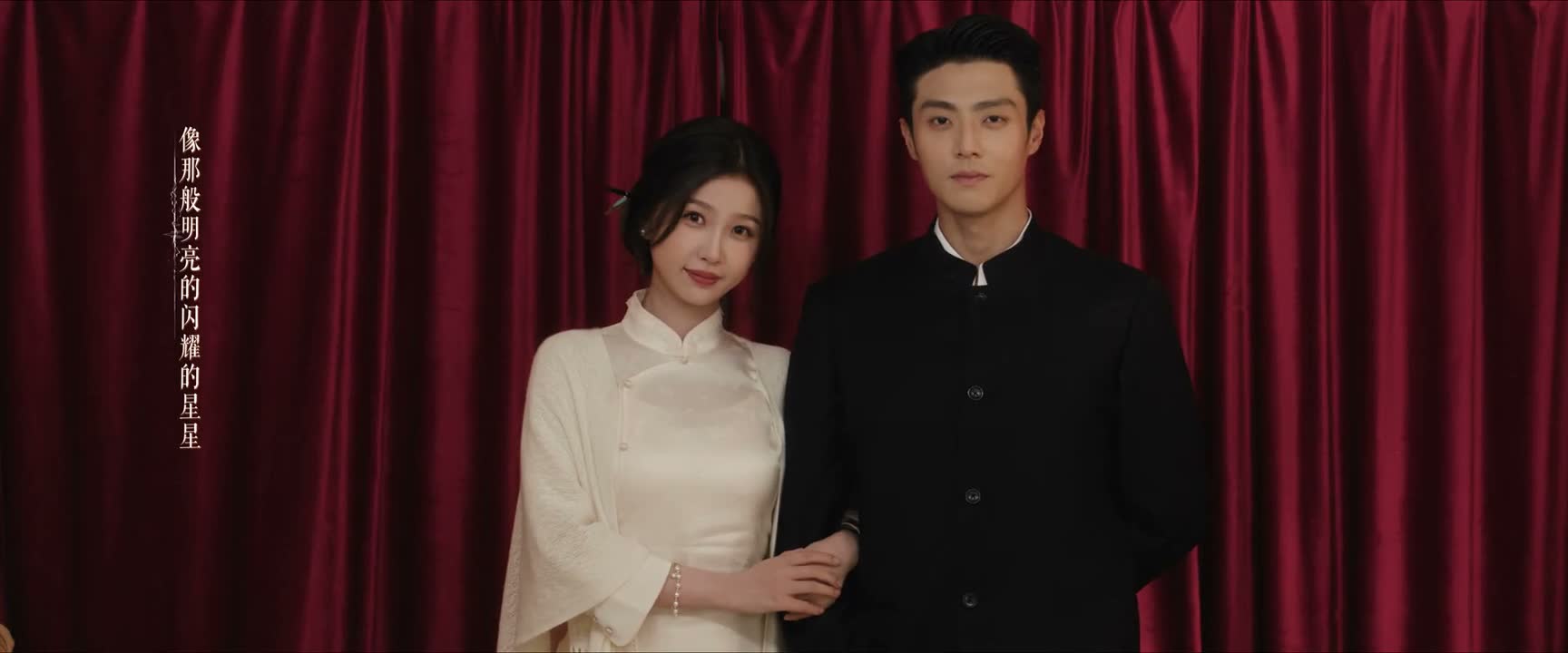 00:03
(这样好) ── Previous context
“♪ A star that glows so bright ♪ Come on. Much better. Let's take another one. ♪ A spark in my heart ♪”
[Scene: 家庭日常]
(2 clips) 00:03
(这一年多 没日没夜天天照看着) ── Previous context
“Fei is finally doing much better now. A parent's love really knows no bounds.”
 00:03
(行 行 行 这宝贝你留着吧啊 我不要 姐) ── Previous context
“Xiaoming, Mom's suitcase is much better than your bag. She has no good taste.”
[Scene: 餐饮美食]
(1 clips) 00:03
(服务员 帮我倒杯热水 不行 酒量不行 不行) ── Previous context
“Sit up. I'm doing much better than you. You'll throw up if you lie down.”
[Scene: 历史宫廷]
(1 clips) 00:03
(针灸之术我也略懂一二) ── Previous context
“I feel much better already. Thank you for your concern.”
📌 没事
→Nuance: 先安抚再告知康复,表达更口语
📌 好不好啊
→Nuance: 征求对方意见,意图完全一致
📌 是不是
→Nuance: 问答意图结构高度一致,可互换
📌 谢谢你
→Nuance: 表达病情好转并致谢,意图一致
📌 反正
→Nuance: 核心交际意图一致可互换
📌 不是
→Nuance: 核心交际意图一致可互换