开个玩笑
kāi gè wán xiàoCommon spoken expression used by native Chinese speakers in daily life.
[Scene: 社交聚会]
(5 clips) 00:03
(谢谢你们啊 不过我是什么基督山女伯爵吗) ── Previous context
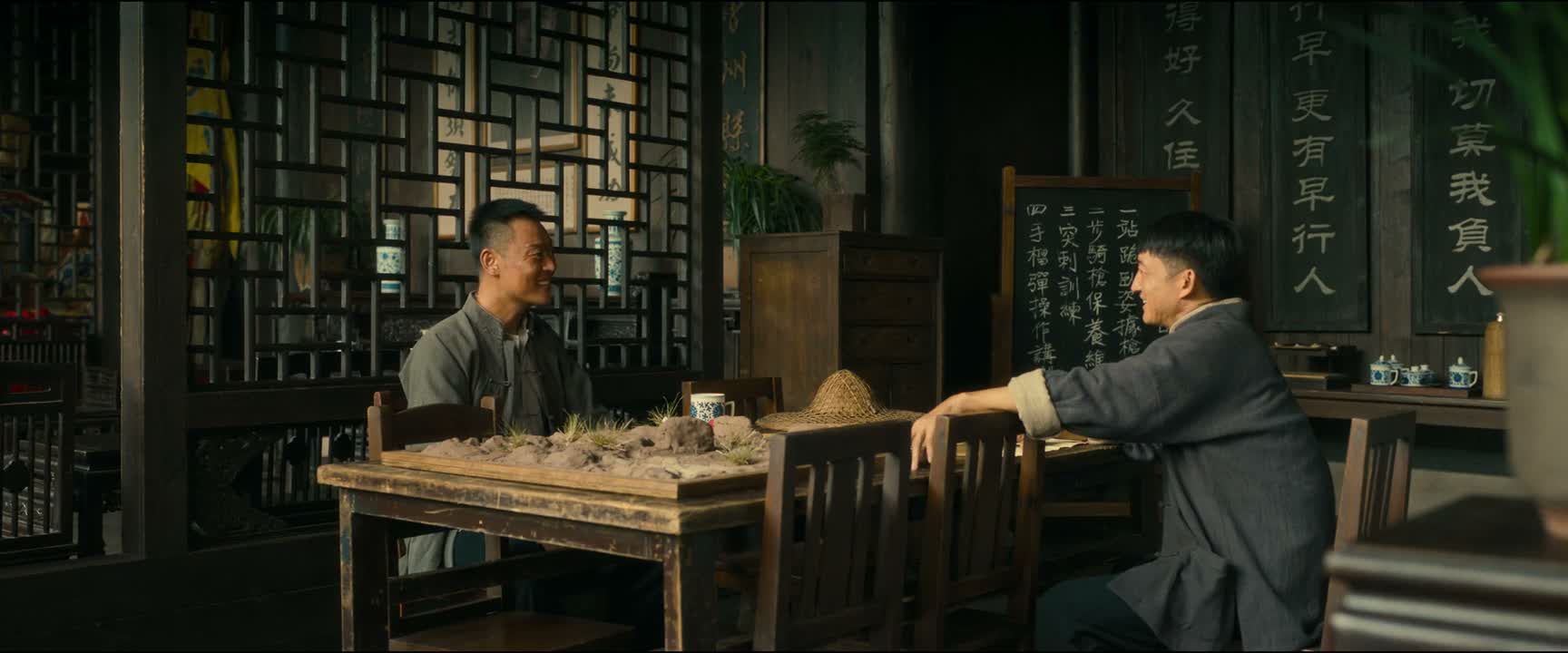
“Just kidding. I grilled all these just now. I have more ingredients over there.”
 00:02
 00:02
 00:02
 00:03
(您真是太会说话了) ── Previous context
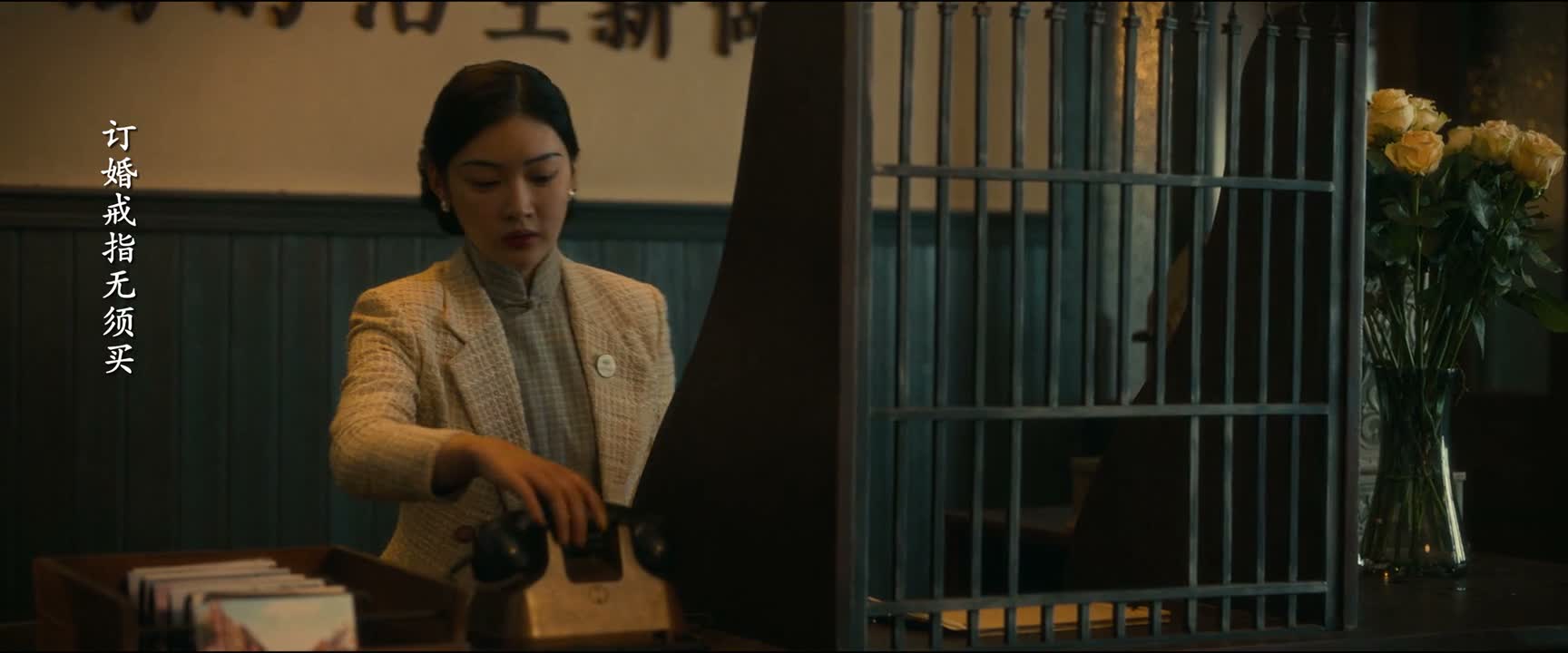
“Just kidding. My brother is really something. Hello? He has been wanting”
[Scene: 历史宫廷]
(4 clips) 00:03
(你是想说那日的宫墙里?) ── Previous context
“It's just a joke. Do you want to be put in a wall and turned into fertilizer too?”
 00:02
 00:03
(若是全民皆可考官呢) ── Previous context
“-What did you say? -I was just kidding. Look how shocked you are.”
 00:03
(我至今还没发现 你竟然如此聪明) ── Previous context
“I was just joking, trying to cheer you up a bit.”
[Scene: 其他场景]
(1 clips) 00:03
(这么说你承认你造谣了) ── Previous context
“I was just joking. Is this really necessary? Absolutely.”
[Scene: 其他场景]
(1 clips) 00:03
(我就想逗逗他) ── Previous context
“I wanted to play a joke with him. So I sent him a Wechat message, asking him what he was doing.”
📌 我以为
→Nuance: 同向近义词根配对: [笑话 ↔ 玩笑]
📌 真是
→Nuance: 同向近义词根配对: [笑话 ↔ 玩笑]
📌 不愧是
→Nuance: 同为解释开玩笑但表述更完整
📌 开什么玩笑
→Nuance: 同为调侃对方当真了
📌 来
→Nuance: 同向近义词根配对: [笑话 ↔ 玩笑]
📌 真当真了
→Nuance: 同为调侃对方当真了
📌 开心开心
→Nuance: 同为解释开玩笑以安抚对方
📌 你看
→Nuance: 同为调侃对方当真了
📌 喂
→Nuance: 同为解释开玩笑但表述更完整
📌 至于吗
→Nuance: 核心交际意图完全相同可互换