贸然
mào ránCommon spoken expression used by native Chinese speakers in daily life.
[Scene: 其他场景]
(9 clips) 00:02
 00:02
 00:02
 00:02
 00:03
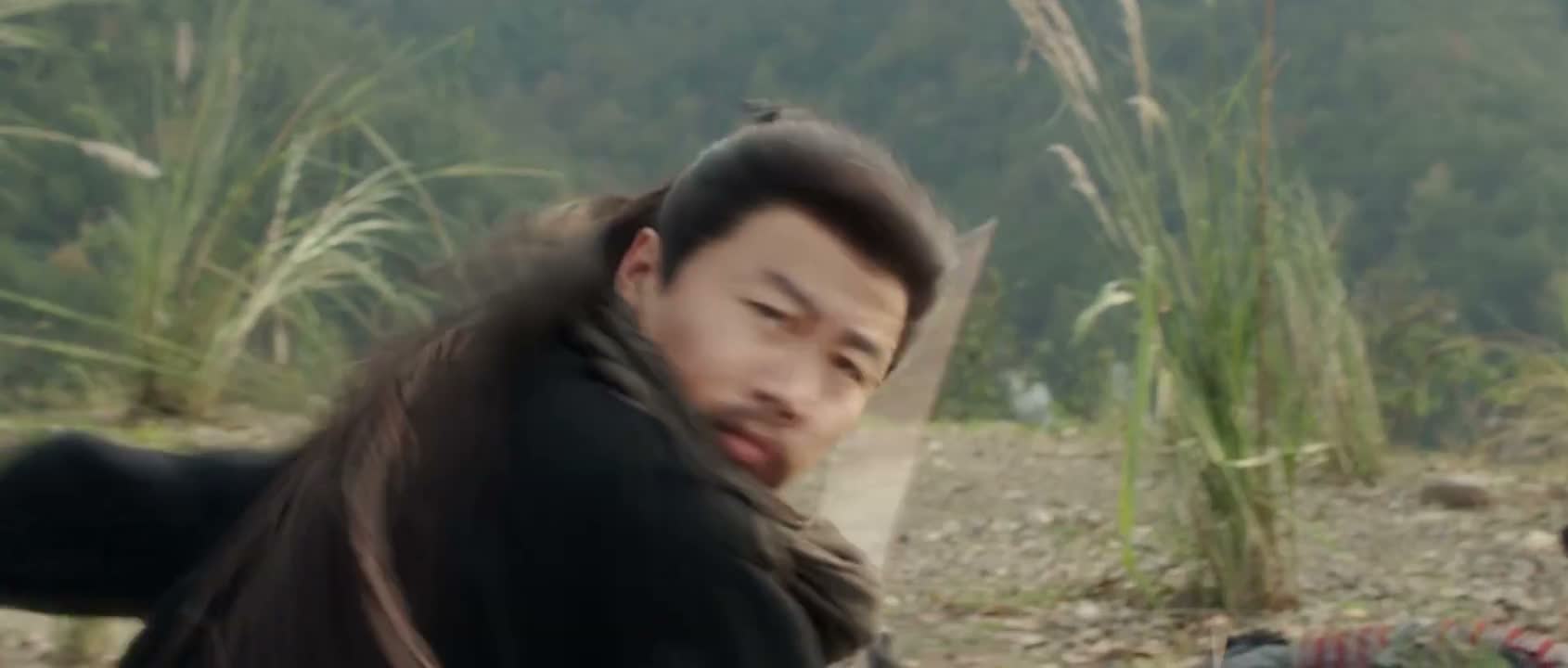
(凡人本就无力 来到碧海深处) ── Previous context
“If you rush in carelessly, you will lose your life.”
 00:02
 00:02
 00:03
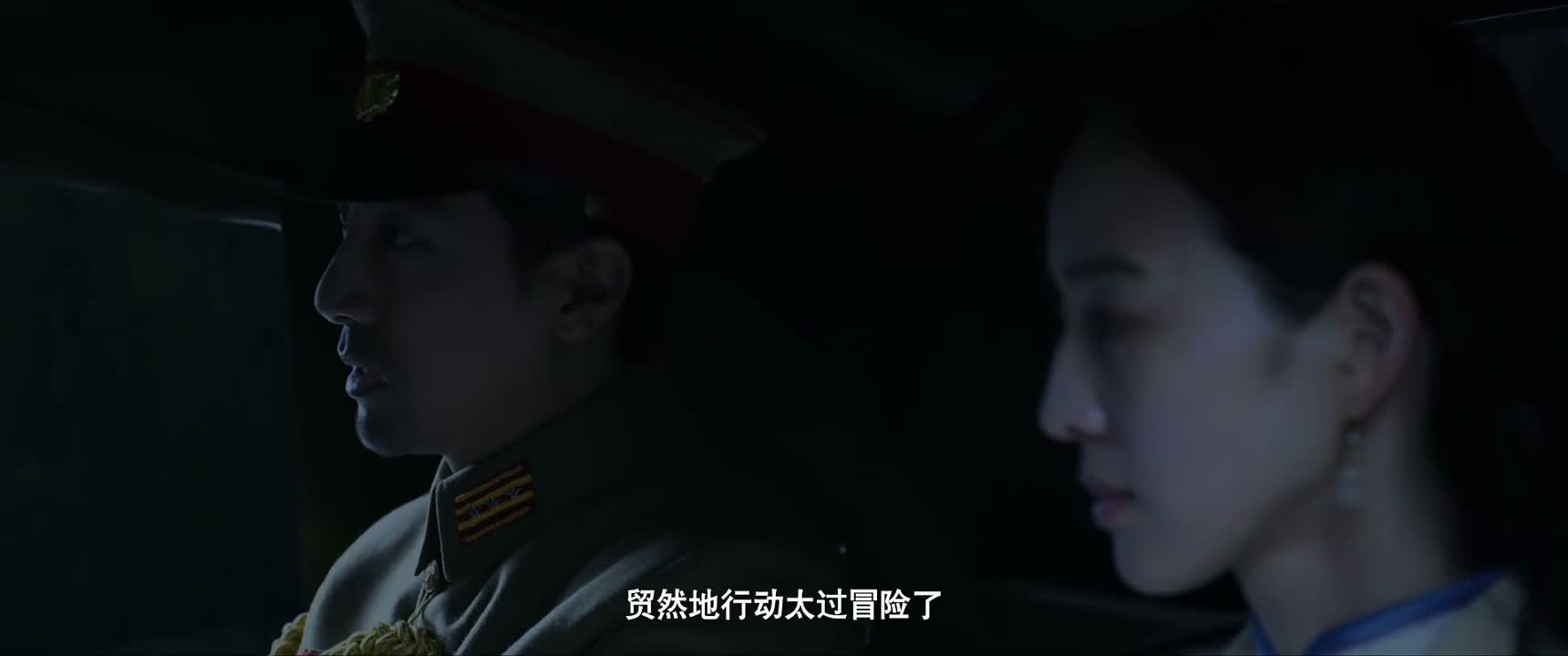
(这不行 太冒险了 不管田本昌怎么想的) ── Previous context
“he must have a backup plan against you. If you go so rashly,”
 00:03
(这府衙里 到处都是田本昌的眼线) ── Previous context
“If we report it rashly, before we even see Prefect He,”
[Scene: 历史宫廷]
(7 clips) 00:03
(听闻太妃祖籍岭南 想来 是会思念这口旧时的味道) ── Previous context
“So I brought them to you, hoping to bring you some pleasure.”
 00:02
 00:03
(朔漠想要攻打云中郡也没那么容易) ── Previous context
“Luckily, you took his advice not to act rashly.”
 00:02
 00:03
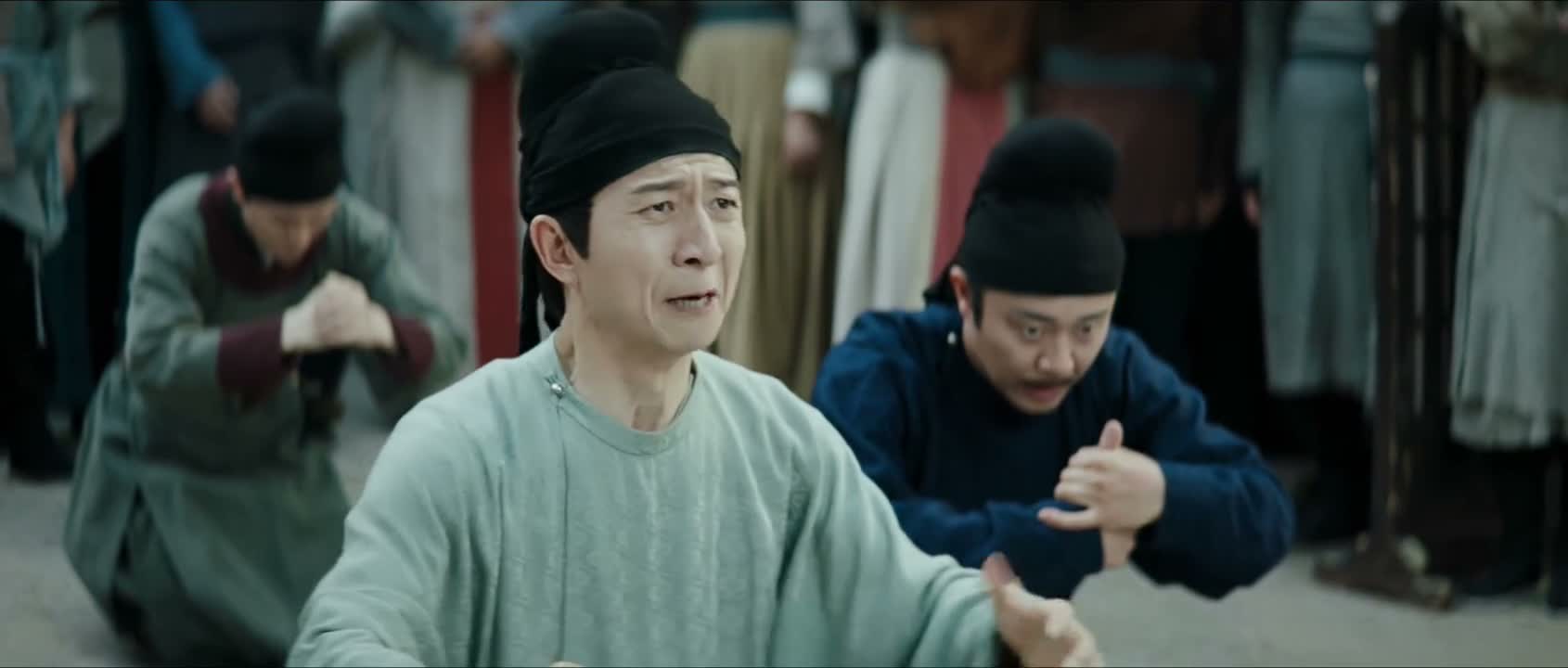
(是你救了我们) ── Previous context
“You two lack skills. Why did you rush in here so recklessly?”
 00:02
 00:03
(小碗儿 你去看看太后吧 她待我极好) ── Previous context
“The situation is unclear now. Any rash decisions could turn us into someone else's pawns.”
[Scene: 其他场景]
(2 clips) 00:03
(汤叔叔 不是 您 您怎么来了) ── Previous context
“I'm visiting unannounced. I really apologize.”
 00:02
[Scene: 商务沟通]
(1 clips) 00:03
(我现在是假名托姓) ── Previous context
“If I rashly open an ink workshop and force my way to claim a share,”
[Scene: 家庭日常]
(1 clips) 00:03
(那我怎么没看到他) ── Previous context
“There was that misunderstanding. So he didn't wanna come uninvited.”
[Scene: 社交聚会]
(1 clips) 00:02
📌 不好意思
→Nuance: 同为贸然拜访并致歉
📌 千万不要
→Nuance: 转为直接告诫勿惊动对方的表述
📌 好意思
→Nuance: 同为贸然拜访并致歉
📌 不要打
→Nuance: 转为直接告诫勿惊动对方的表述
📌 来了
→Nuance: 同向近义词根配对: [如果 ↔ 若是]
📌 来
→Nuance: 表达更为书面简练的客套
📌 来
→Nuance: 核心交际意图完全一致,客套拜访
📌 不会
→Nuance: 核心意图完全相同可直接互换