没事干
méi shì gànCommon spoken expression used by native Chinese speakers in daily life.
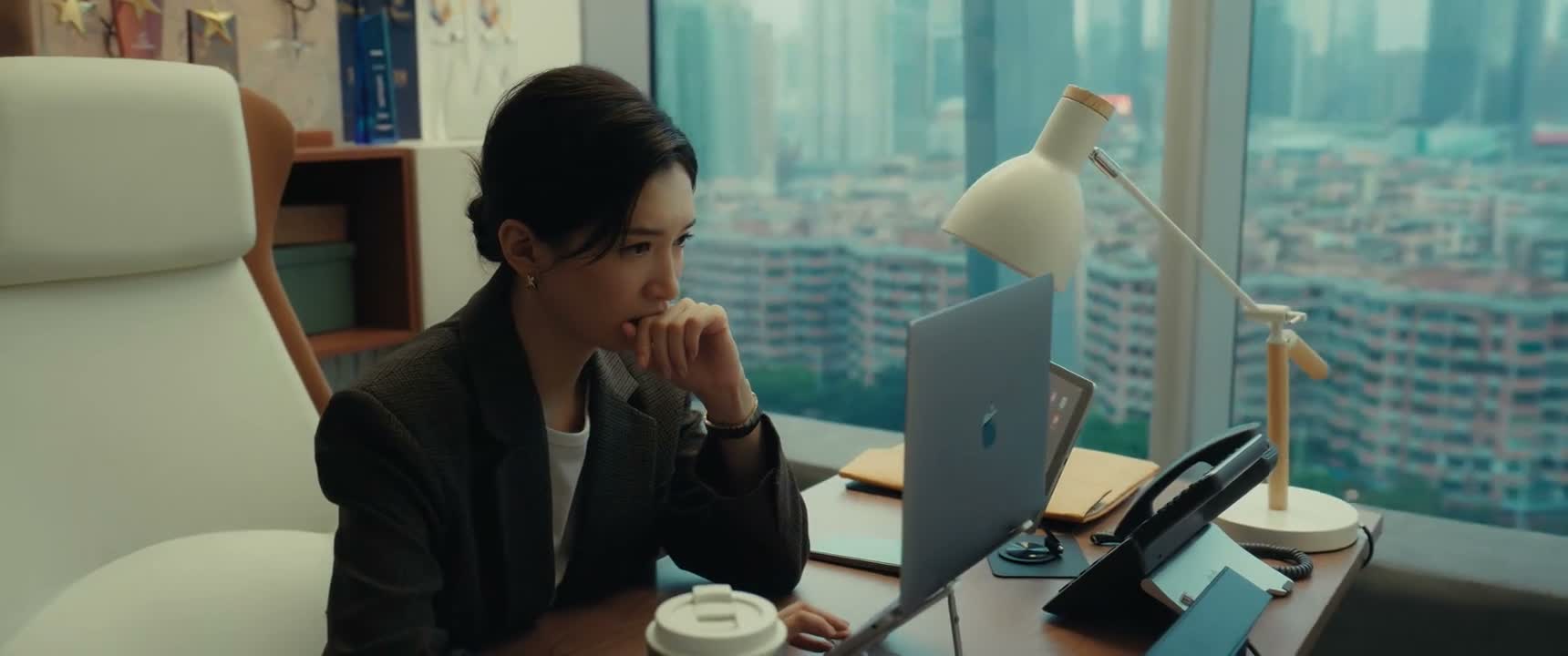
[Scene: 职场工作]
(4 clips) 00:03
 00:02
(这点常识都不懂吗) ── Previous context
“Let me tell you, don't think you have nothing to do.”
 00:02
 00:03
(我就随便问问) ── Previous context
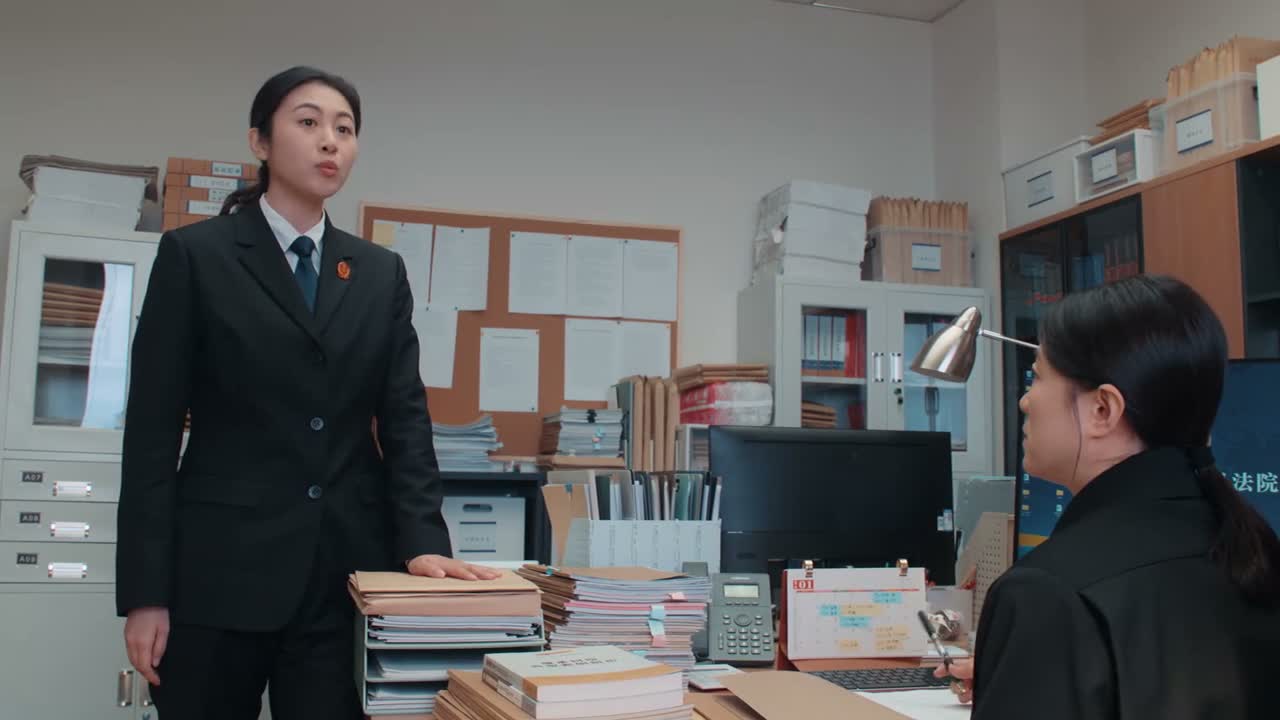
“Why are you laughing? Nothing better to do? Just go.”
[Scene: 其他场景]
(3 clips)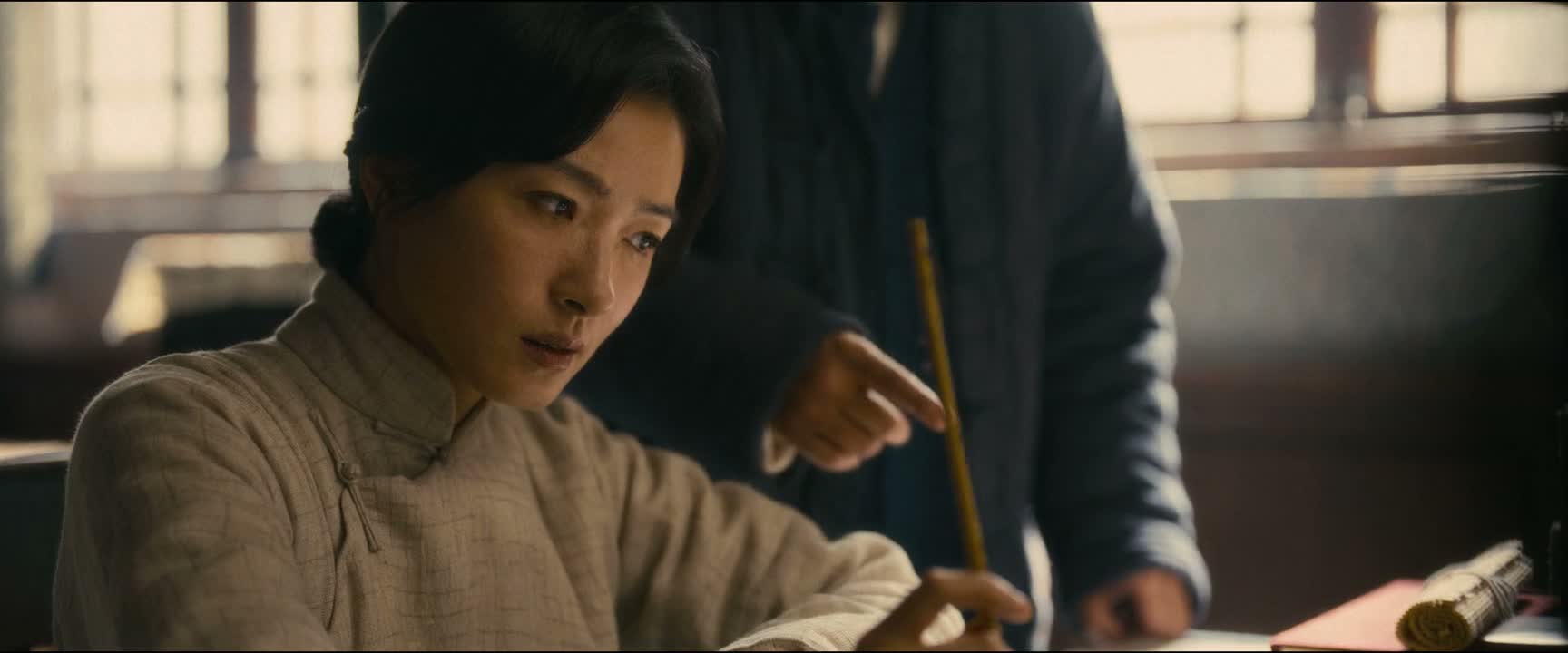 00:03
(尤其是什么发传单啊 游行啊) ── Previous context
“That's what rich young ladies and gentlemen do when they've got nothing better to do.”
 00:02
(我们家景东 正身 天天 天不亮就钻到墨坊里去了) ── Previous context
“and I'm left alone at home with nothing to do.”
 00:03
[Scene: 家庭日常]
(3 clips)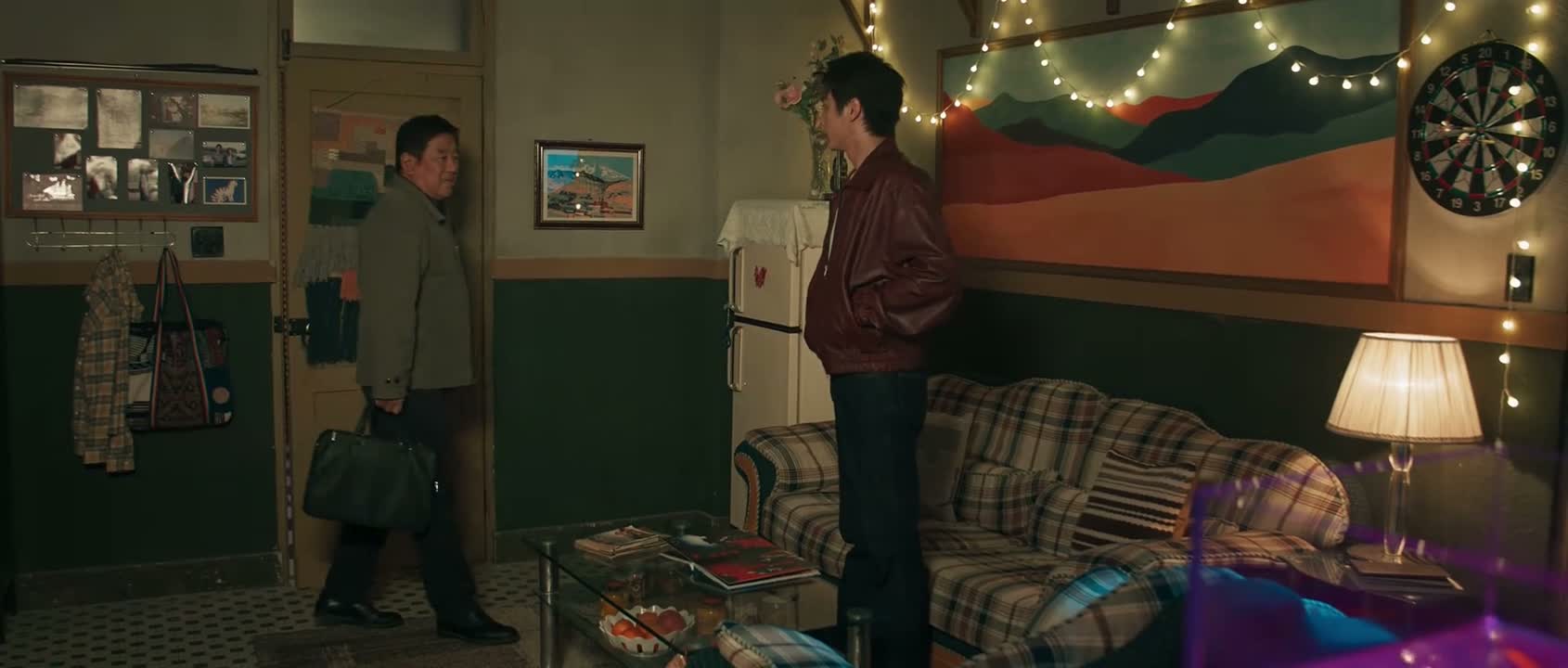 00:02
 00:02
 00:03
(那我跟肖兵也在呢 再说了) ── Previous context
“my in-laws also have nothing to do at home. Seriously.”
[Scene: 其他场景]
(1 clips) 00:02
📌 没事
→Nuance: 责备对方太闲找事,意图一致
📌 一个人
→Nuance: 同指一人在家无聊,反问更口语
📌 在家
→Nuance: 同指一人在家无聊,反问更口语
📌 是不是
→Nuance: 同义互换,表达责怪他人多管闲事
📌 怎么就
→Nuance: 责备对方太闲找事,意图一致
📌 看上了
→Nuance: 同向近义词根配对: [姑娘 ↔ 小姐]
📌 干什么
→Nuance: 质问乱动东西,意图完全相同可互换
📌 人家
→Nuance: 同为责备乱动东西,语气侧重点不同