虐待
nüè dàiCommon spoken expression used by native Chinese speakers in daily life.
[Scene: 其他场景]
(6 clips) 00:02
 00:03
(你看看) ── Previous context
“Everyone, take a look. This is how Sun Lala abuses my daughter.”
 00:03
(能一个指头都不碰 再说你说刘文波) ── Previous context
“he says I abuse the child? If I go back and check the recordings,”
 00:02
 00:03
(不许吃饭 关小黑屋) ── Previous context
“is that discipline or abuse? Stop spouting nonsense.”
 00:03
(她是你妈 你没有必要这样去逼她吧 这是她逼我的) ── Previous context
“But she's still your mother. It's no excuse to abuse me.”
[Scene: 警匪刑侦]
(5 clips) 00:03
(最早的伤至少在半年以上) ── Previous context
“Hanxiao must have been abused ever since leaving the palace.”
 00:03
(胡说八道吧你 所以是被告指使你 虐待小笼包的) ── Previous context
“I did not abuse Xiaolongbao. Then explain this to me.”
 00:02
 00:02
 00:02
[Scene: 家庭日常]
(4 clips) 00:03
(每次老太太在走廊等那么长时间) ── Previous context
“If the neighbors see, they'll think you're neglecting her. But it's my home.”
 00:02
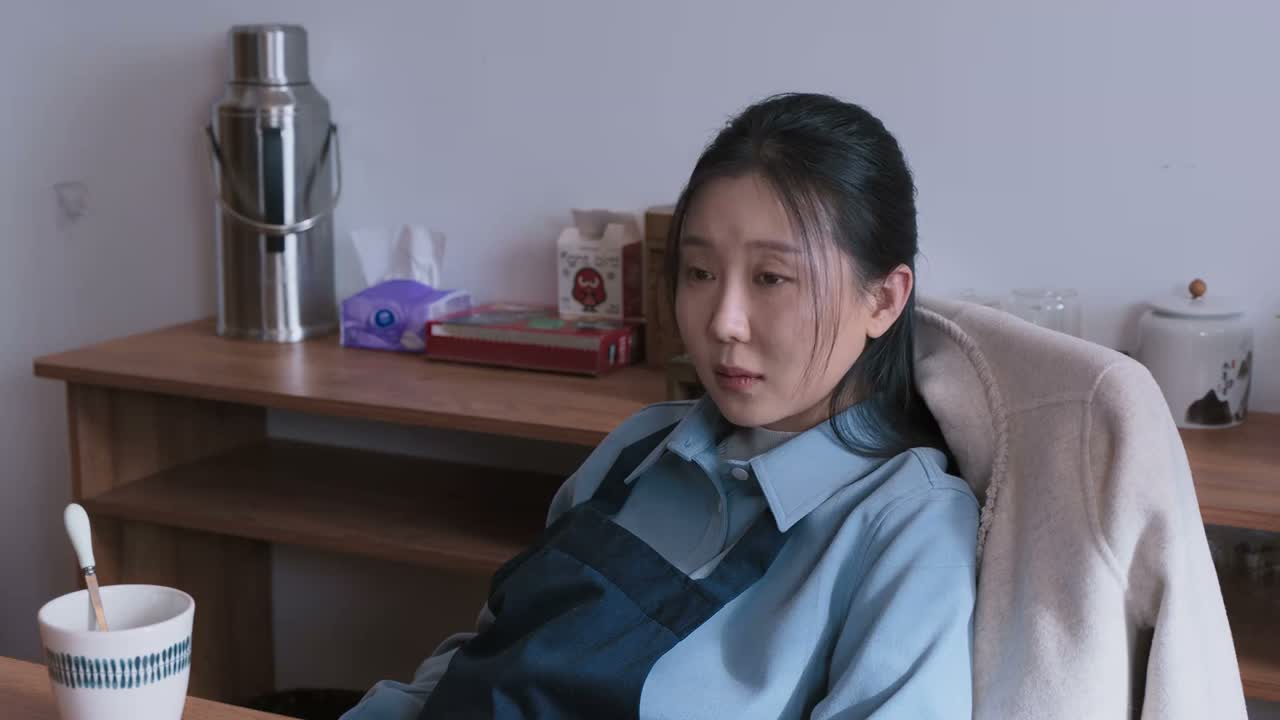 00:02
 00:02
(我跟你讲 你是我儿子) ── Previous context
“If you kick me out, I'll call the police to report that you're abusing the elderly.”
[Scene: 其他场景]
(1 clips) 00:02
[Scene: 历史宫廷]
(1 clips) 00:03
(启禀陛下) ── Previous context
“this person was traumatized from being abused in childhood by his mother.”
[Scene: 其他场景]
(1 clips) 00:03
(那护士长 你来得刚刚好啊) ── Previous context
“Talk some sense to her! She knows nothing and she's abusing my dad!”
📌 来
→Nuance: 同为展示证据控诉对方
📌 没有必要
→Nuance: 劝解与反驳结构意图一致
📌 邻里邻居
→Nuance: 同向近义词根配对: [邻居 ↔ 邻里]
📌 居然
→Nuance: 同为指责他人对受害者苛待
📌 看得出来
→Nuance: 同为展示证据控诉对方
📌 胡说八道
→Nuance: 反问否认虐待,核心意图一致
📌 胡说
→Nuance: 反问否认虐待,核心意图一致
📌 报警
→Nuance: 同向近义词根配对: [邻居 ↔ 邻里]