上厕所
shàng cè suǒCommon spoken expression used by native Chinese speakers in daily life.
[Scene: 其他场景]
(5 clips) 00:02
 00:02
(你没去过厕所) ── Previous context
“I haven't drunk water all day so I wouldn't need to go to the toilet.”
 00:02
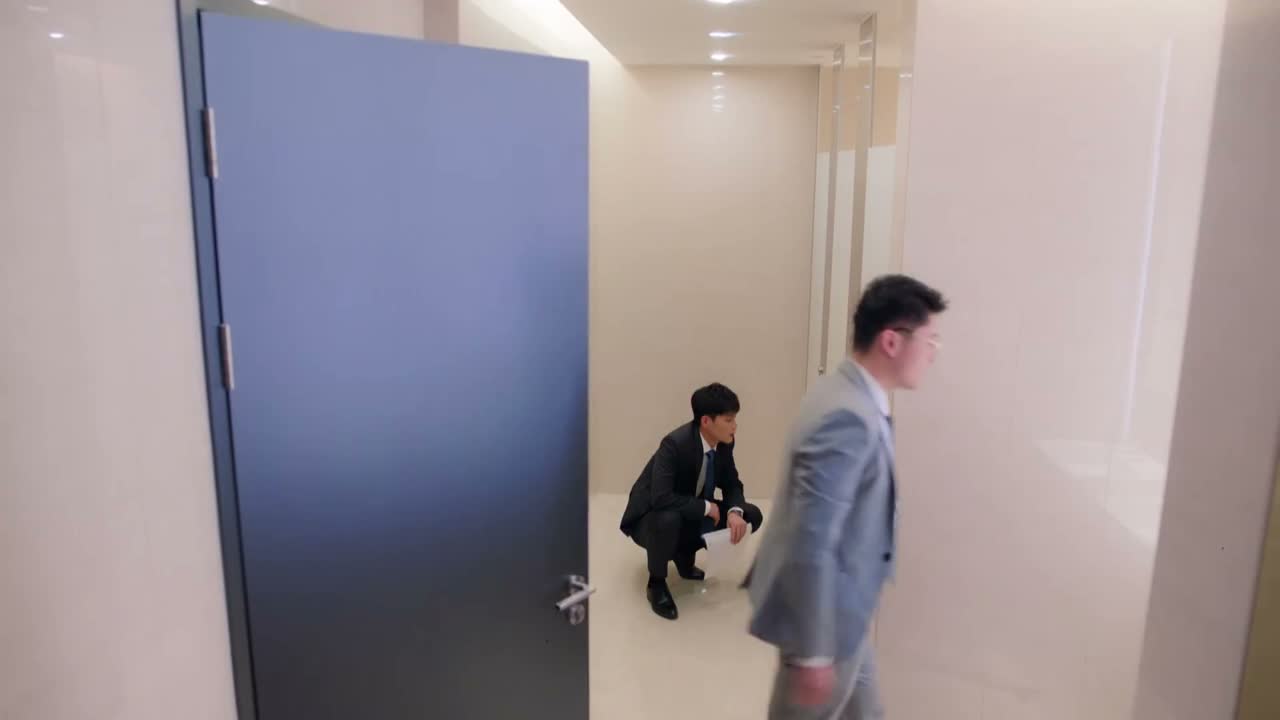 00:02
(没问题 拖延战术 我最拿手) ── Previous context
“Don't forget the toilet paper when you use the restroom.”
 00:02
[Scene: 职场工作]
(5 clips) 00:03
 00:03
(她已经 两天没有吃过午饭了) ── Previous context
“She hasn't drunk water to not use the bathroom.”
 00:03
(她已经 两天没有吃过午饭了) ── Previous context
“She hasn't drunk water to not use the bathroom.”
 00:02
 00:02
[Scene: 家庭日常]
(3 clips) 00:03
 00:03
(渴了就喝水 多喝水) ── Previous context
“If you want to go to the toilet or need anything else, Call Ms. Ma Da.”
 00:02
(贺子秋 我说过多少次了) ── Previous context
“that don't come to use my bathroom when I'm brushing my teeth.”
[Scene: 社交聚会]
(3 clips) 00:02
 00:03
(你来了江城 当然应该住我那) ── Previous context
“Mine has a bathroom. It's more convenient. I don't get up at night.”
 00:02
[Scene: 其他场景]
(2 clips) 00:03
(说 怎么回事) ── Previous context
“How many times do I have to say it? We were just on our way to the restroom”
 00:02
(这是最好借口是吗) ── Previous context
“Look, maybe she took them while I was in the bathroom.”
[Scene: 警匪刑侦]
(2 clips) 00:02
 00:02
[Scene: 餐饮美食]
(1 clips) 00:02
[Scene: 其他场景]
(1 clips) 00:02
(老师 那个) ── Previous context
“I need to go to the toilet. Go ahead. Don't disturb other students.”
📌 不好意思
→Nuance: 同向近义词根配对: [厕所 ↔ 洗手间]
📌 不许
→Nuance: 同向近义词根配对: [不能 ↔ 不许]
📌 有什么用
→Nuance: 均表达修路钱不够顾不上别的
📌 好意思
→Nuance: 同向近义词根配对: [厕所 ↔ 洗手间]
📌 要上厕所
→Nuance: 表达急于上厕所,意图一致
📌 着急
→Nuance: 表达急于上厕所,意图一致
📌 手拉手上厕所
→Nuance: 完全一致的文本