是不是应该
shì bú shì yīng gāiCommon spoken expression used by native Chinese speakers in daily life.
[Scene: 其他场景]
(5 clips)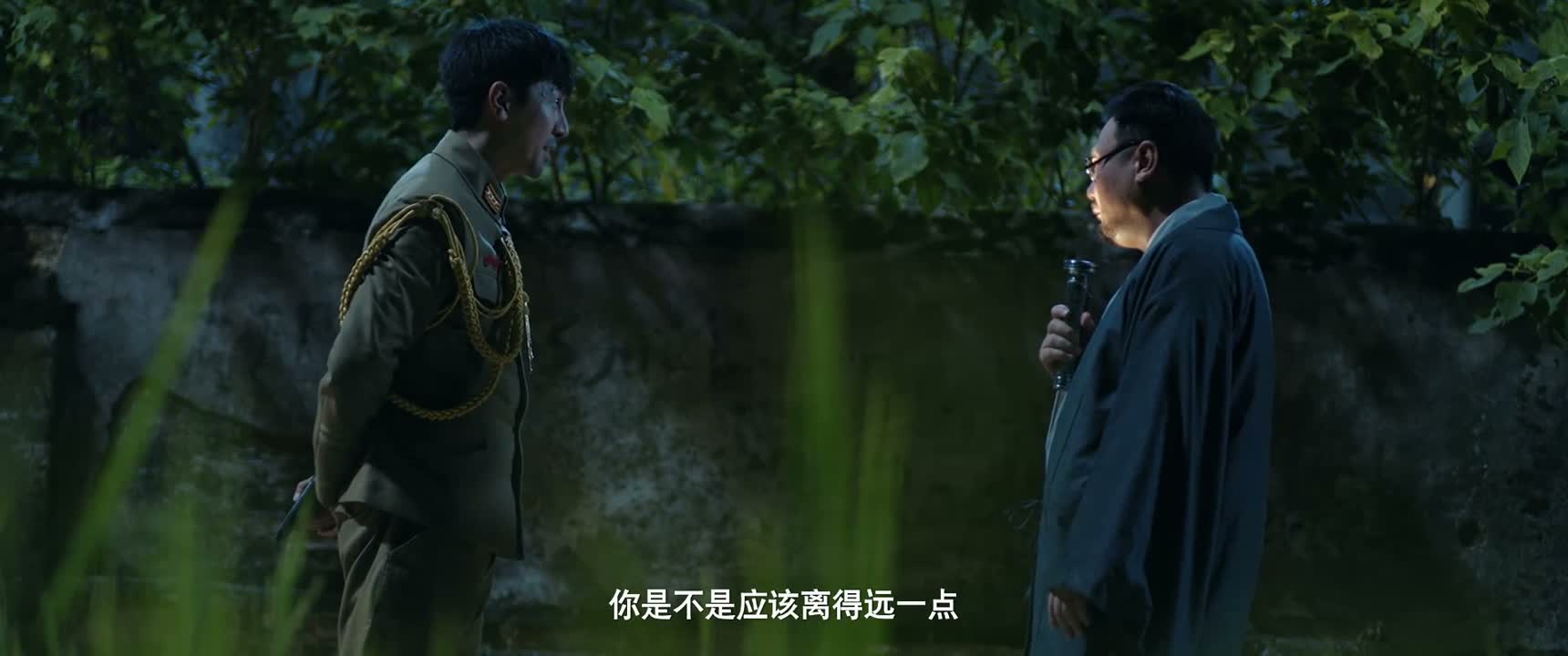 00:02
 00:02
(费霓) ── Previous context
“don't you think you should be more sensible? That's precisely why”
 00:02
 00:02
(不不不 老解 你说这事 确实我考虑不周) ── Previous context
“I should have discussed it with you first. Gao Xuemei!”
 00:03
(所以我就自己做决定了) ── Previous context
“Shouldn't you at least have informed me in person? I did inform you.”
[Scene: 职场工作]
(5 clips) 00:03
(隐藏自己的真实信息) ── Previous context
“about hiding his true information? What do you say, Master? What do you say?”
 00:03
 00:03
 00:02
 00:03
[Scene: 其他场景]
(4 clips) 00:03
 00:03
(就这里 刚刚就这里 这不东西在这儿呢) ── Previous context
“What do you mean? Is this the spot where the monitor shows the two of them are located?”
 00:03
 00:03
[Scene: 社交聚会]
(4 clips) 00:03
(要不然我也不会搭上两个月的工资 那) ── Previous context
“perhaps you should support my dream as well.”
 00:02
(原来他每次在车上给我们甩脸子 是因为晕车呀) ── Previous context
“Should we buy some fruit and go visit him?”
 00:02
 00:02
[Scene: 警匪刑侦]
(2 clips) 00:02
(那这个孩子的亲生父母) ── Previous context
“So shouldn't the child's real parents be held legally responsible?”
 00:02
[Scene: 其他场景]
(2 clips) 00:02
 00:02
[Scene: 商务沟通]
(1 clips) 00:02
[Scene: 家庭日常]
(1 clips) 00:02
(大爹回来 把那箱子藏来藏去的 当个宝贝似的) ── Previous context
“Shouldn't we check out that box first?”
📌 这么着
→Nuance: 同表劝缓意图,表述一致
📌 一个人
→Nuance: 交际意图均为提议多找人协助
📌 好吃
→Nuance: 提议庆祝并好好吃一顿
📌 不知道
→Nuance: 同向近义词根配对: [是不是 ↔ 是否]
📌 长得像
→Nuance: 反讽语气表达谢意,意图一致
📌 不是也
→Nuance: 同向近义词根配对: [我们 ↔ 咱们]
📌 是不是
→Nuance: 劝告谨慎,用'咱'语气更委婉亲近
📌 是不是
→Nuance: 核心意图均是要求对方做出解释
📌 谢谢你
→Nuance: 反讽语气表达谢意,意图一致
📌 是吧
→Nuance: 同为询问/确认姻亲称谓