突然说
tū rán shuōCommon spoken expression used by native Chinese speakers in daily life.
[Scene: 家庭日常]
(2 clips)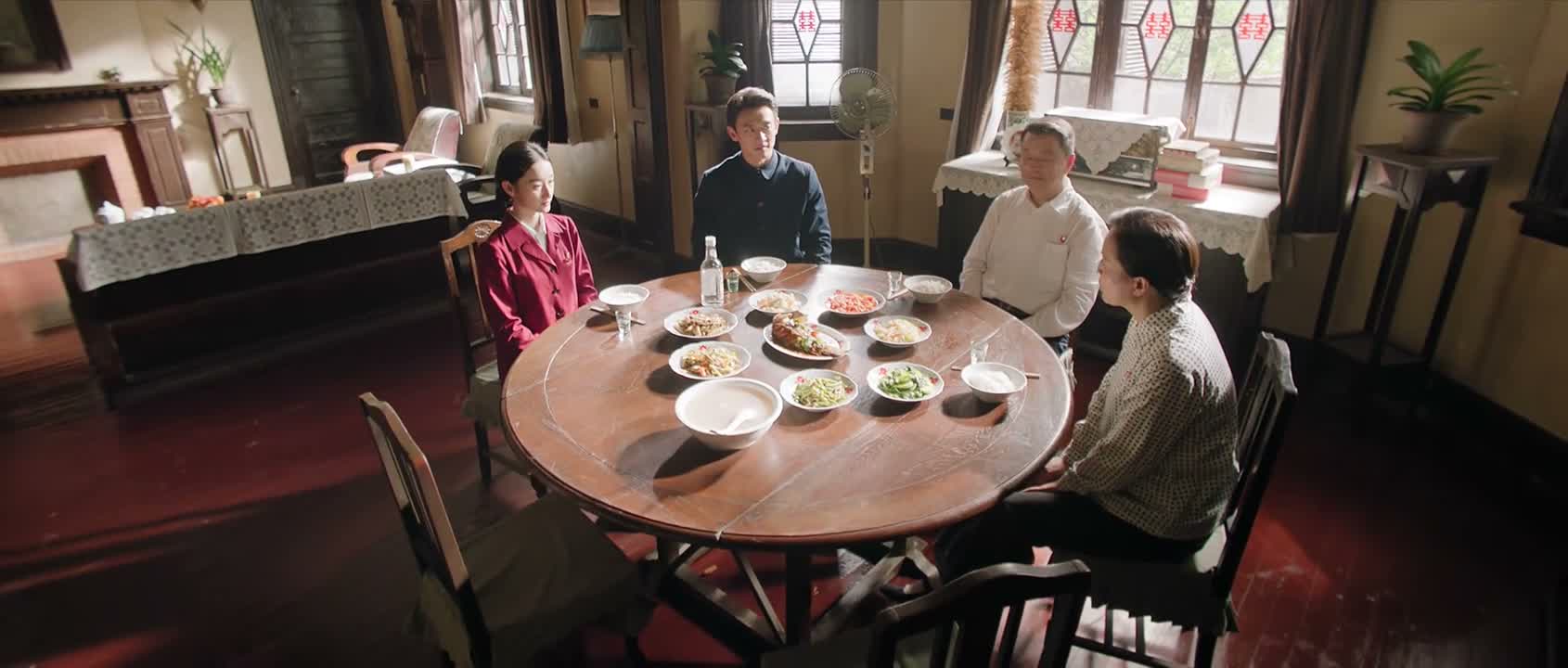 00:03
 00:02
[Scene: 其他场景]
(1 clips) 00:02
(这样一来他就把麻烦挡在外面了) ── Previous context
“Then, he can announce a comeback later. Simple.”
[Scene: 历史宫廷]
(1 clips) 00:03
(我对楚岺从未表露出任何敌意) ── Previous context
“Why did Zhao suddenly say something like that?”
[Scene: 职场工作]
(1 clips) 00:03
(场地跟拍摄组 都准备好了 定的明天开机) ── Previous context
“The director is already at the hotel, on standby. Then, out of the blue, Wu Kaili suddenly told me”
📌 误会
→Nuance: 同向近义词根配对: [这样 ↔ 如此]
📌 说话
→Nuance: 同向近义词根配对: [为什么 ↔ 为何]
📌 为什么
→Nuance: 同向近义词根配对: [为什么 ↔ 为何]
⚡ 走了
→Contrast: 源句强调无预警,此句强调有风声
⚡ 本来
→Contrast: 突然决定与本来就想态度相反
⚡ 来
→Contrast: 突然决定与本来就想态度相反
⚡ 能不能
→Contrast: 极性反义对撞: [不能 ↔ 可以]
⚡ 结婚
→Contrast: 突然决定与本来就想态度相反
⚡ 风声
→Contrast: 源句强调无预警,此句强调有风声
⚡ 说走就走
→Contrast: 对说走就走这一行为的直接否定