有事吗
yǒu shì maCommon spoken expression used by native Chinese speakers in daily life.
[Scene: 社交聚会]
(4 clips) 00:03
(这开上这车是不一样 这么快就有人搭讪了) ── Previous context
“Do you need something? It's me. Don't you remember, Mr. Driver?”
 00:03
 00:02
 00:03
[Scene: 其他场景]
(3 clips) 00:02
 00:02
 00:02
[Scene: 其他场景]
(2 clips)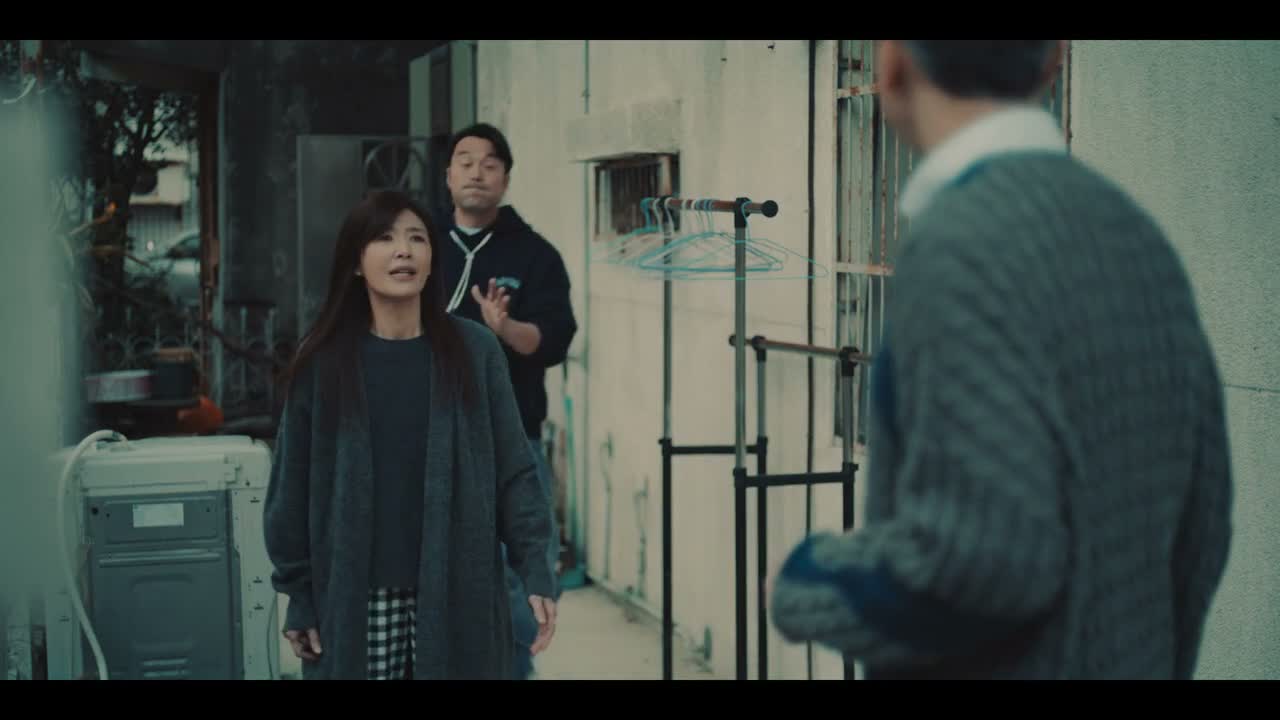 00:02
(还给…) ── Previous context
“- What exactly do you want? - Hey, let's calm down.”
 00:03
(干啥呢 闭嘴 干嘛 干啥呀 闭嘴 看什么看) ── Previous context
“-What do you think you're doing? -Alright, alright. Anything you want to say? -Let's go. -Yeah, let's go.”
[Scene: 家庭日常]
(2 clips) 00:03
(白及 你站住) ── Previous context
“What? What are you doing? You’re out running around all day. I told you I have things to do.”
 00:02
(这不就跟你开个玩笑吗) ── Previous context
“Is there anything else you want to say? If no, I'm going to continue to memorize the knowledge.”
[Scene: 其他场景]
(1 clips) 00:03
[Scene: 警匪刑侦]
(1 clips) 00:02
(不对 是12条 还赠送了一条 您看一下) ── Previous context
“Where's Captain Feng? Didn't he want to see me?”
[Scene: 其他场景]
(1 clips) 00:03
(你放开我 放开 放开我 救命啊 救命 我靠) ── Previous context
“- Can I help you, ma'am? - Get lost! - No entry allowed! - I'm begging you. Let me go.”
[Scene: 职场工作]
(1 clips) 00:02
📌 没事
→Nuance: 同为询问无事即结束当前状态
📌 没事
→Nuance: 无事即结束对话的意图完全一致
📌 走走走
→Nuance: 催促对方离开,核心意图相同
📌 说了吗
→Nuance: 同向近义词根配对: [招呼 ↔ 打招呼]
📌 干什么
→Nuance: 核心皆为质问对方意图行为
📌 跟不上
→Nuance: 抱怨对方跑得太快,核心意图一致
📌 走了
→Nuance: 询问并催促离开,意图一致
📌 干吗呀
→Nuance: 询问并催促离开,意图一致