在家里
zài jiā lǐCommon spoken expression used by native Chinese speakers in daily life.
[Scene: 家庭日常]
(8 clips) 00:03
(以后啊 你可以跟他们天天一块玩儿) ── Previous context
“Don't just stay cooped up at home reading books all the time, okay?”
 00:02
 00:02
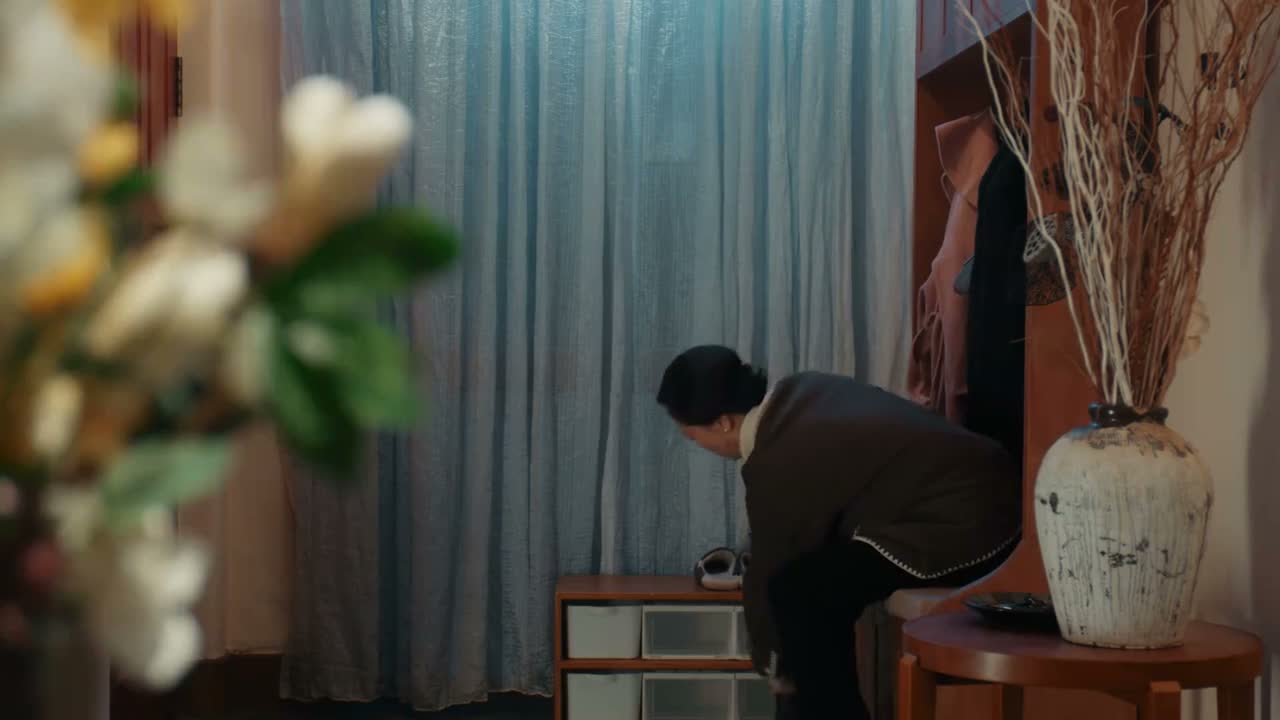 00:03
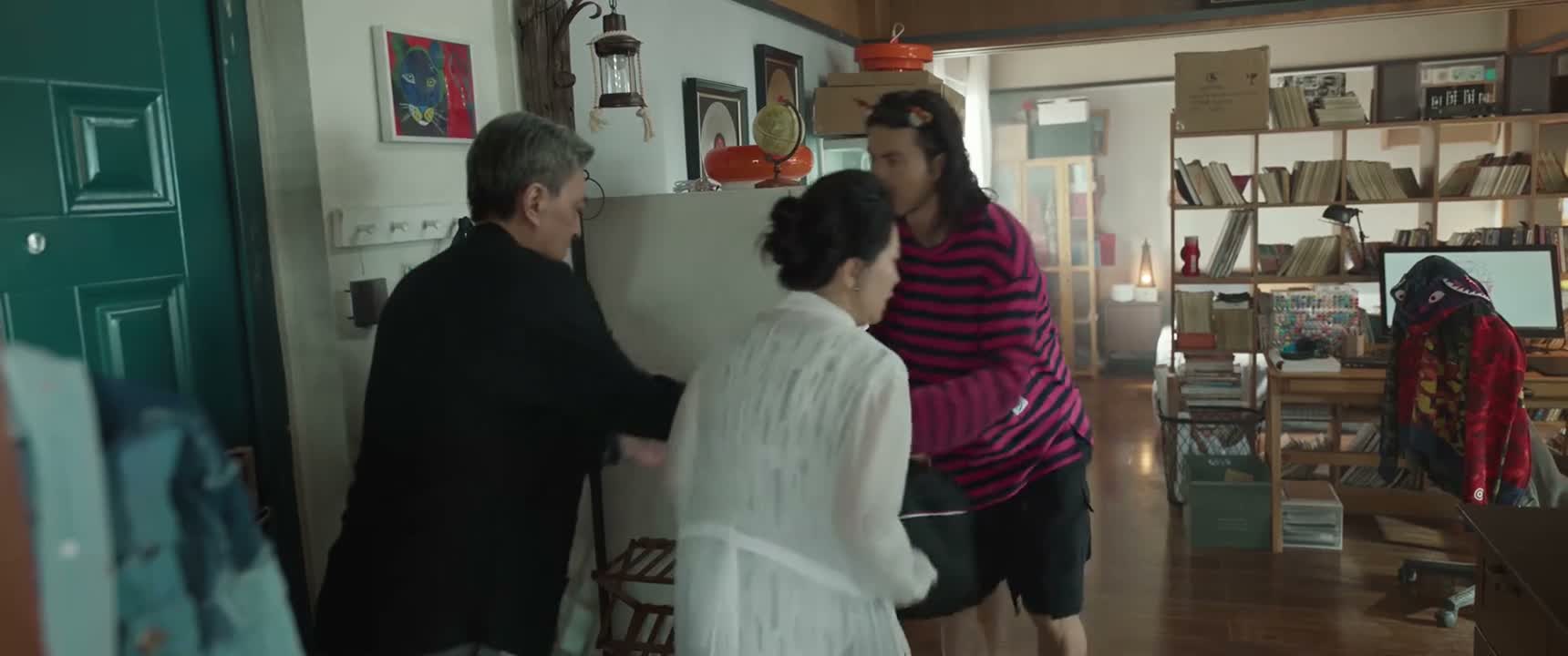 00:02
 00:03
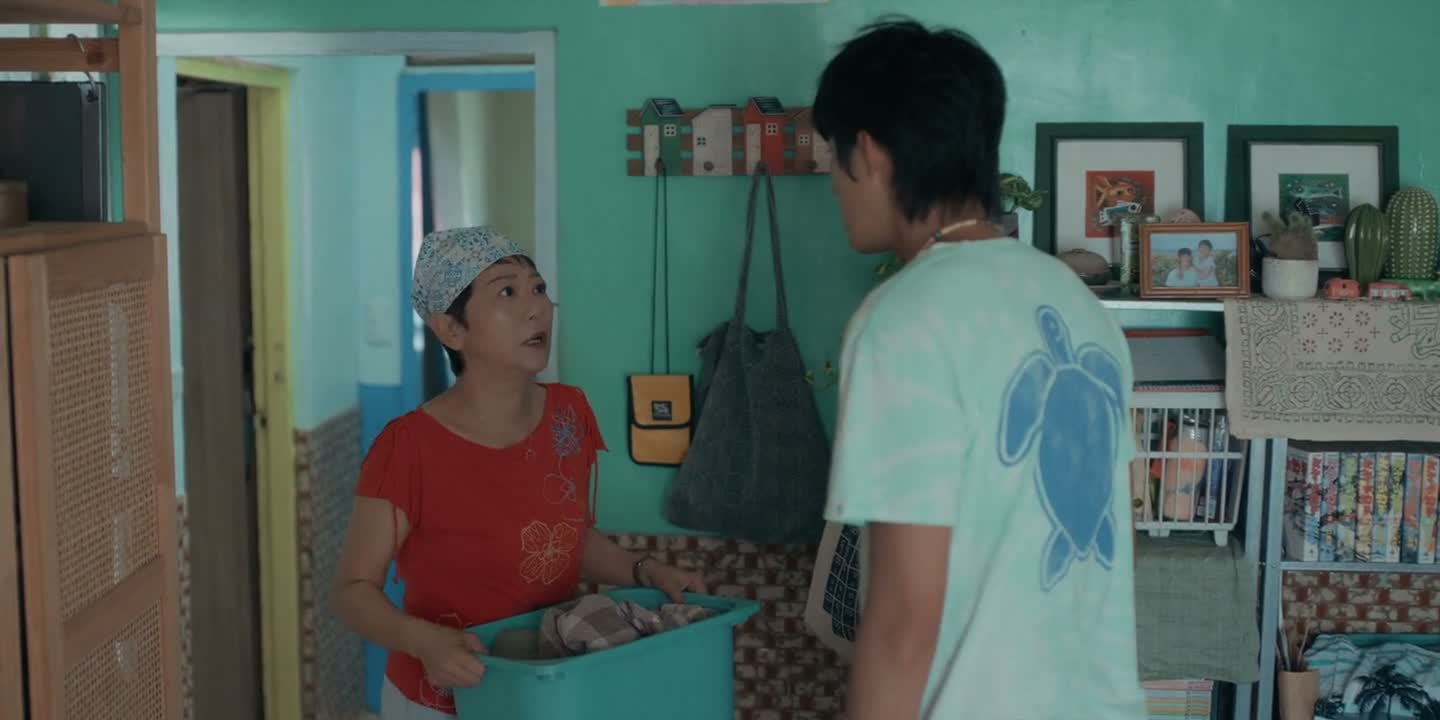 00:02
 00:03
(也不会来求你的) ── Previous context
“[Staff Only] Your sister is rummaging through the house right now.”
[Scene: 社交聚会]
(5 clips) 00:02
 00:02
(怎么会有这样的想法) ── Previous context
“When I was little, I was always left home alone.”
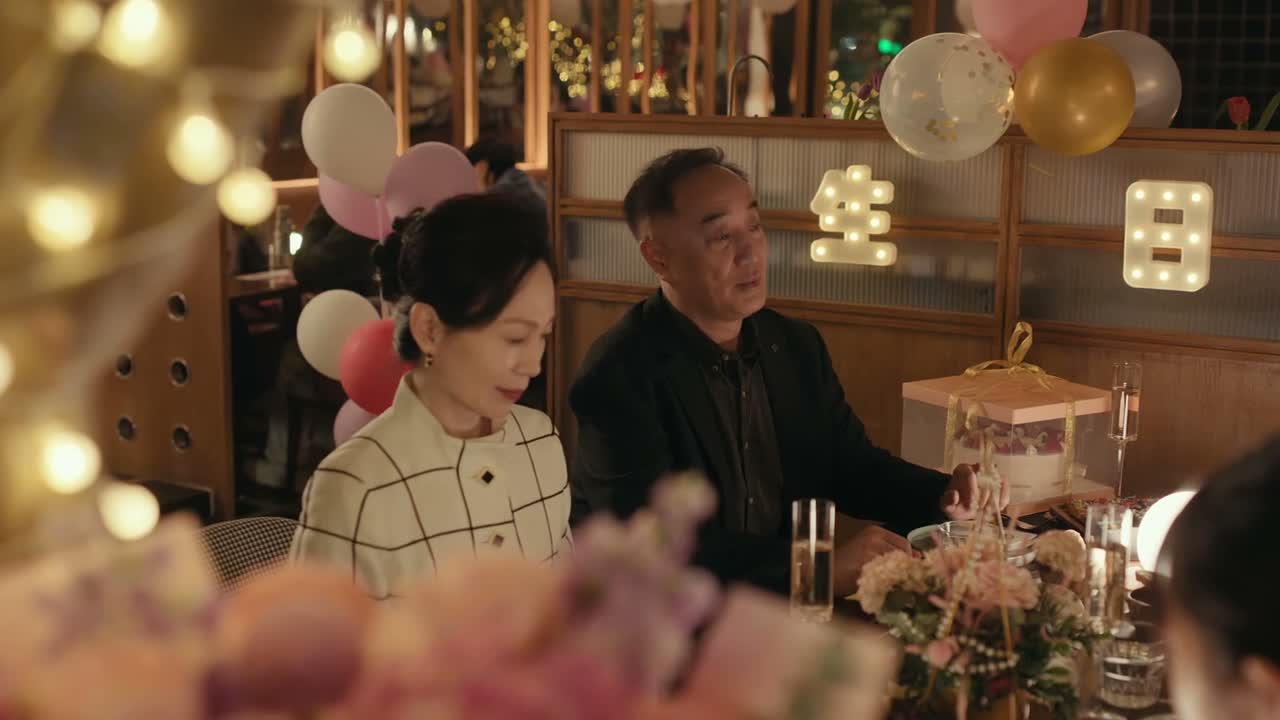 00:02
 00:02
(木质香) ── Previous context
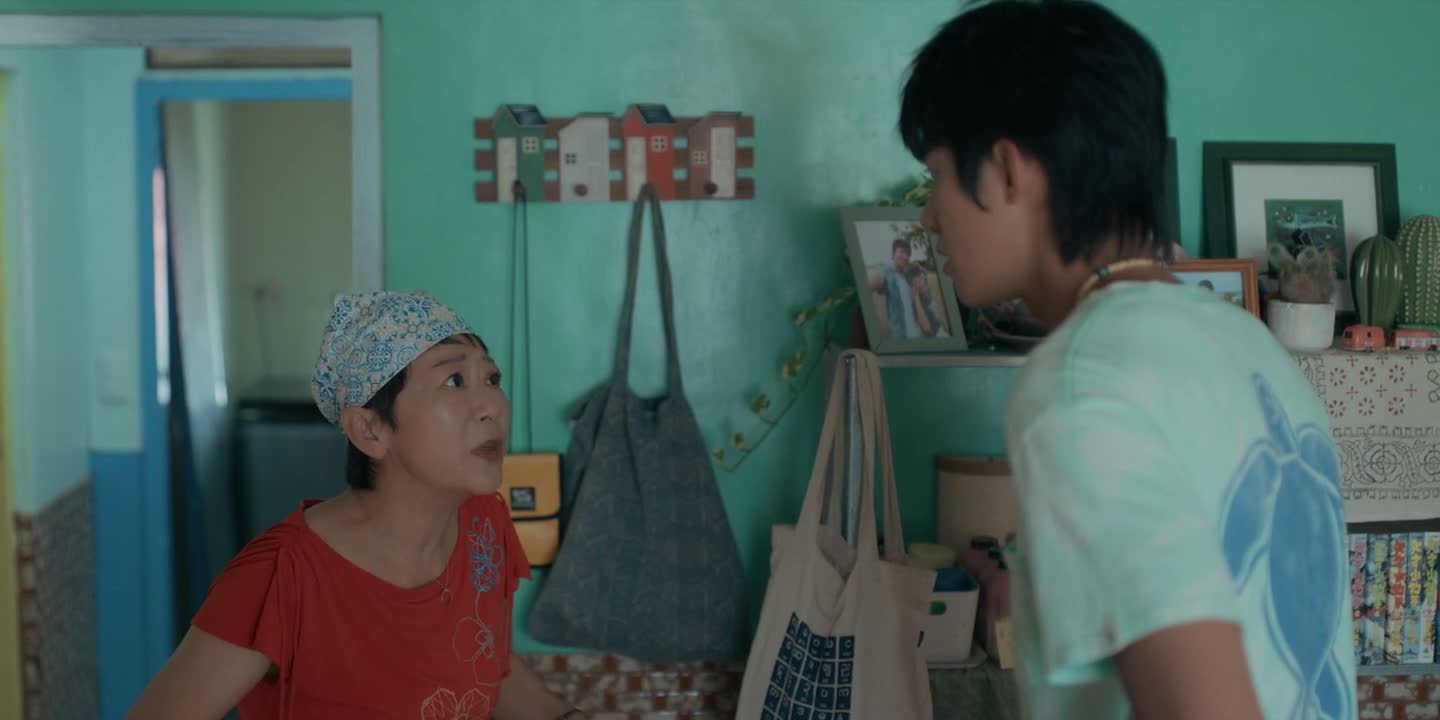
“You might as well plant a tree at home instead of wearing this.”
 00:02
[Scene: 其他场景]
(4 clips) 00:02
 00:02
(把货给我) ── Previous context
“I don't have them at home. I was afraid to keep them there.”
 00:03
(你自己想想你得罪谁了) ── Previous context
“She locked Bai Shu up at home, and you let her out. So she hates you.”
 00:03
(什么吸毒 你姐) ── Previous context
“ate what you left at home and was sent to the hospital.”
[Scene: 其他场景]
(3 clips) 00:03
(碰到了我) ── Previous context
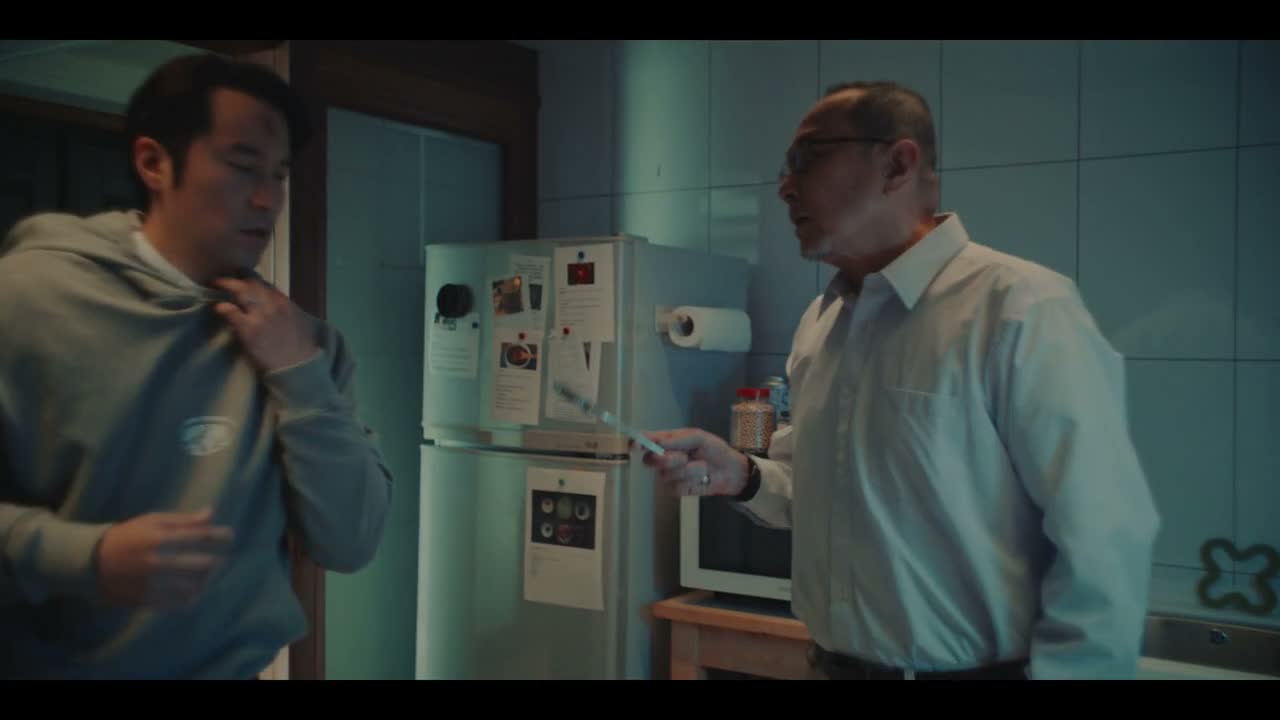
“That person stayed at our home for a couple of days, then left without a word.”
 00:02
 00:02
[Scene: 餐饮美食]
(2 clips) 00:03
(寒声 他习惯用公筷) ── Previous context
“Okay, okay. No need, Mom. There's no need for that at home.”
 00:02
[Scene: 商务沟通]
(1 clips) 00:03
[Scene: 职场工作]
(1 clips) 00:03
(所有的男合伙人 个个都希望自己妻子) ── Previous context
“to stay at home and care for the family. But him?”
📌 好嘞
→Nuance: 核心皆为口语客气拒绝
📌 一个人
→Nuance: 同样表达不想总待在家里的意图
📌 在家
→Nuance: 同样表达不想总待在家里的意图
📌 在家
→Nuance: 核心语义完全相同,可直接替换
📌 不知道
→Nuance: 同向近义词根配对: [哪里 ↔ 哪儿]
📌 赶紧
→Nuance: 同向近义词根配对: [现在 ↔ 今天]
📌 不用不用
→Nuance: 核心皆为口语客气拒绝
📌 不用不用不用
→Nuance: 核心皆为口语客气拒绝
📌 走了
→Nuance: 同向近义词根配对: [本来 ↔ 原本]