住外面那不就没有借口先溜了吗
“If I lived out, I'd lose my excuse to slip away early.”
THE DIALOGUE REEL
不了 我现在在学校住得挺好的
“No thanks, living at school is fine for me.”
住外面 那 不 就没有 借口 先 溜了 吗
“If I lived out, I'd lose my excuse to slip away early.”
走了
“I'm off.”
Direct spoken expression in this communicative setting.
Chinese university dormitories typically enforce strict night curfews ('ximen/duandian'), which students frequently leverage as a face-saving, unchallengeable excuse to leave social drinking or dinners early.
LEARNING CHUNKS & PARTICLES
to slip away first; to leave early quietly
A colloquial expression commonly used when making an early exit from a party, gathering, or unappealing commitment.
to find an excuse
Widely used in everyday spoken Chinese to describe providing a socially acceptable reason to decline or leave.
Indicates a resultant state or change of situation within the rhetorical condition.
Forms a rhetorical question to highlight the obvious tactical disadvantage of moving off campus.
VOCABULARY & EXPRESSIONS
Parallel Spoken Cinema Scenes (语义近邻切片)

“Take good care of yourself out there.”

“If I drive it, I'll definitely get caught.”
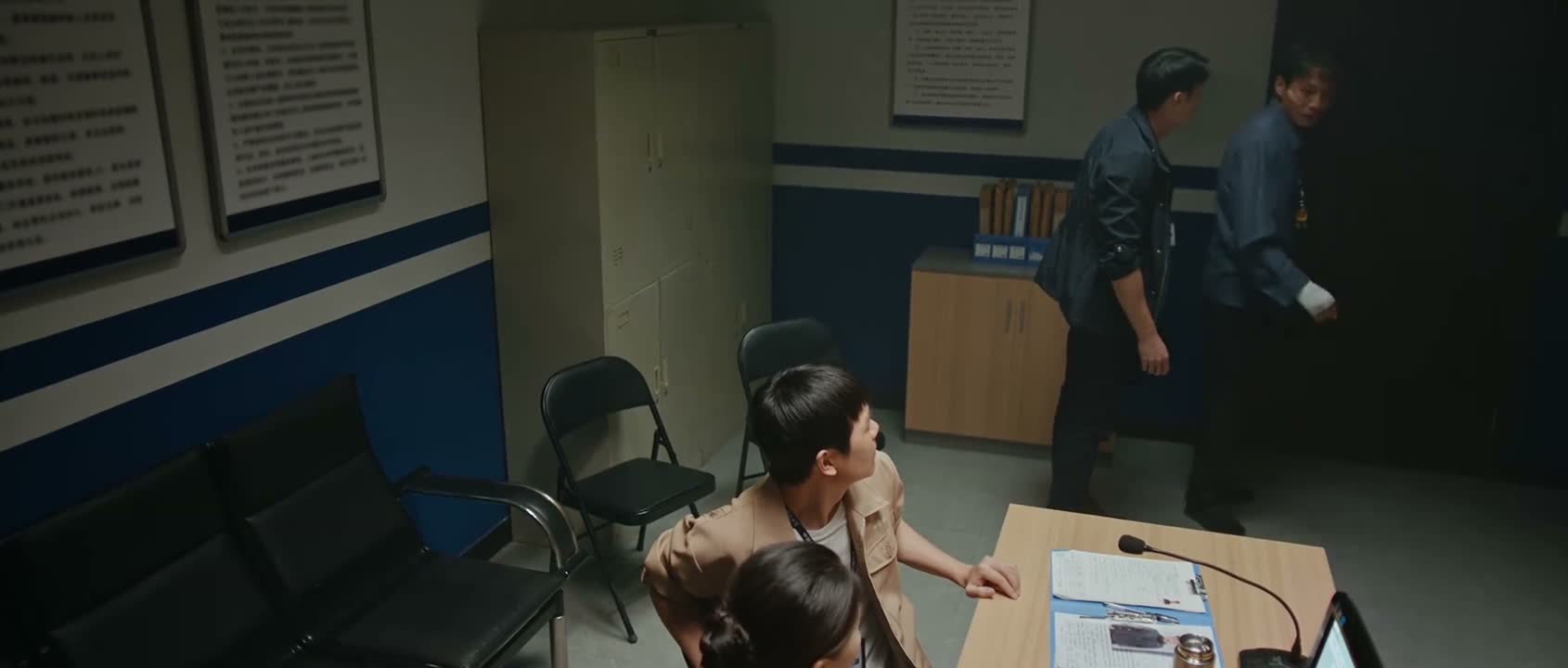
“Sneak out? That sounds terrible.”

“Just outside. Where else could it be?”

“Weren't you supposed to stay in your room? Why'd you come out?”

“-Get out, or I'll call the police. -Stop pushing me!”