犯什么病啊?你看你爸 这不是好好的吗?
“Sick? Look at me. The very picture of health.”
THE DIALOGUE REEL
“What if you fall sick again?”
犯什么病 啊? 你看你 爸 这不是 好好的 吗 ?
“Sick? Look at me. The very picture of health.”
爸 我有任务在身 拜托你
“Dad. I have work to do. Please”
“Stop treating me like an invalid; I am strong enough to handle myself.”
Aging Chinese parents often fiercely resist being cared for or mothered by their adult children, preferring to maintain their image as strong protectors.
LEARNING CHUNKS & PARTICLES
what illness would flare up (dismissive rhetorical question)
A colloquial, slightly blunt way to deny that any sickness will recur.
in good shape; totally fine
A colloquial reduplicated adjective used to stress that someone or something is completely unharmed or healthy.
Softens the rhetorical question while adding an impatient, defensive punch.
Forms a rhetorical tag question inviting immediate agreement.
VOCABULARY & EXPRESSIONS
Parallel Spoken Cinema Scenes (语义近邻切片)

“Is your dad sick?”

“With your dad like this, get him to a hospital.”

“Did your brother get sick on purpose?”
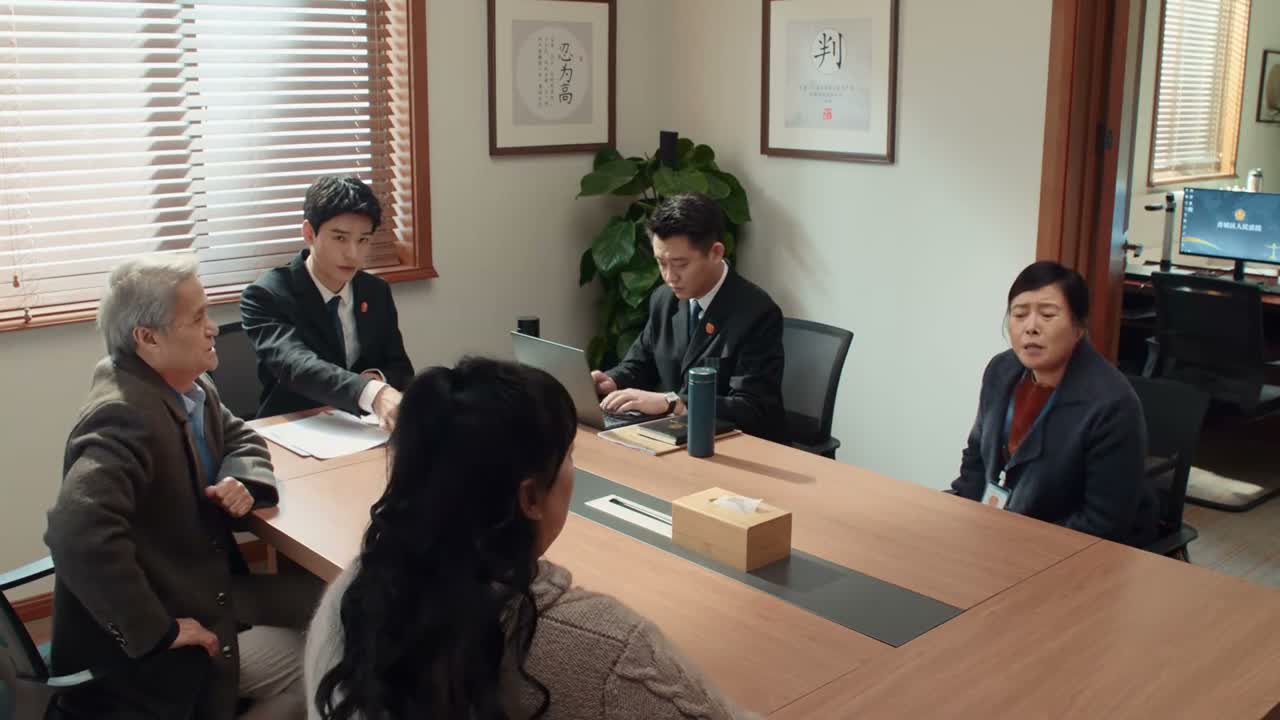
“If your dad hadn't fallen ill so suddenly,”
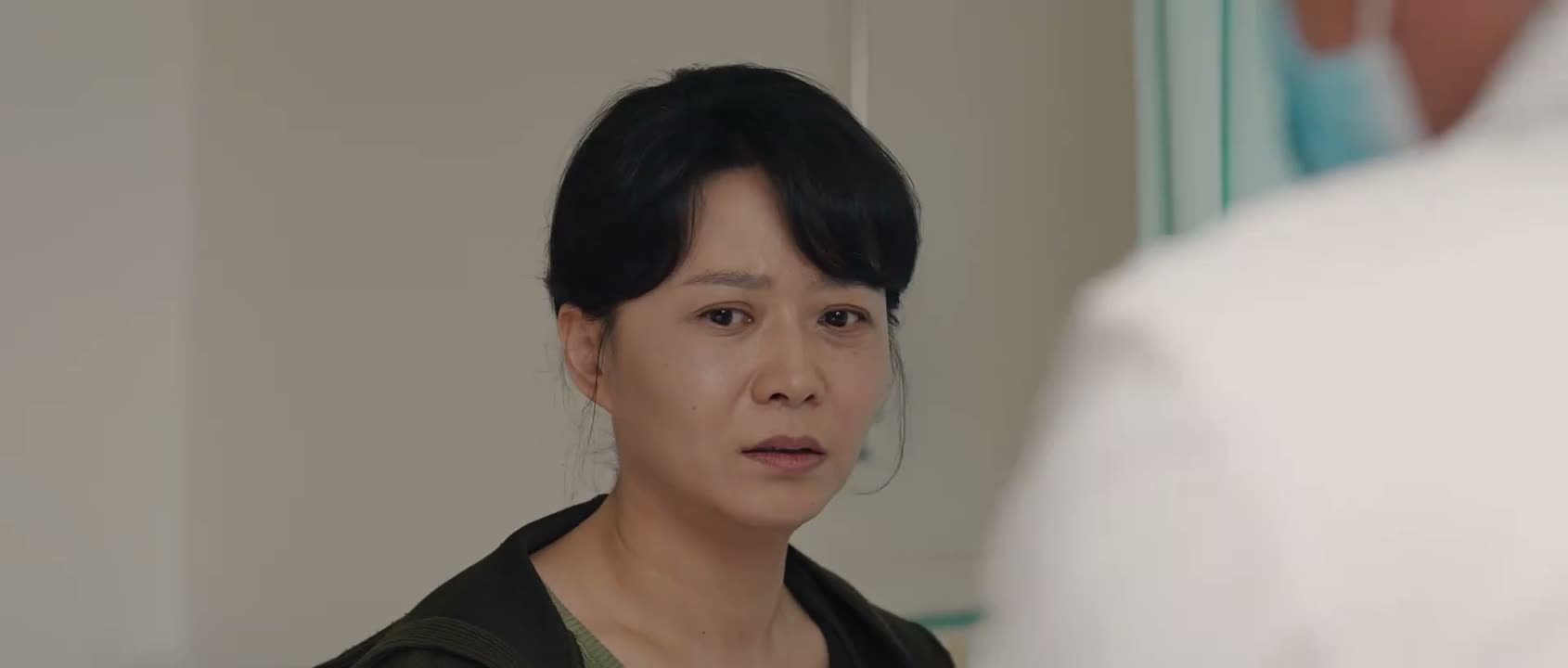
“Doctor, what's wrong with him?”

“Dad. What did he do?”