不说话
bù shuō huàCommon spoken expression used by native Chinese speakers in daily life.
[Scene: 其他场景]
(8 clips) 00:02
 00:03
 00:02
 00:03
 00:03
 00:02
 00:03
(你知不知道怎么办?) ── Previous context
“You don't. Why aren't you saying anything? You can't talk.”
 00:02
[Scene: 警匪刑侦]
(5 clips) 00:02
(什么意思啊) ── Previous context
“You got someone new, but they're not saying anything? What's the meaning of this?”
 00:03
 00:02
(谢谢 谢谢 谢谢 谢谢) ── Previous context
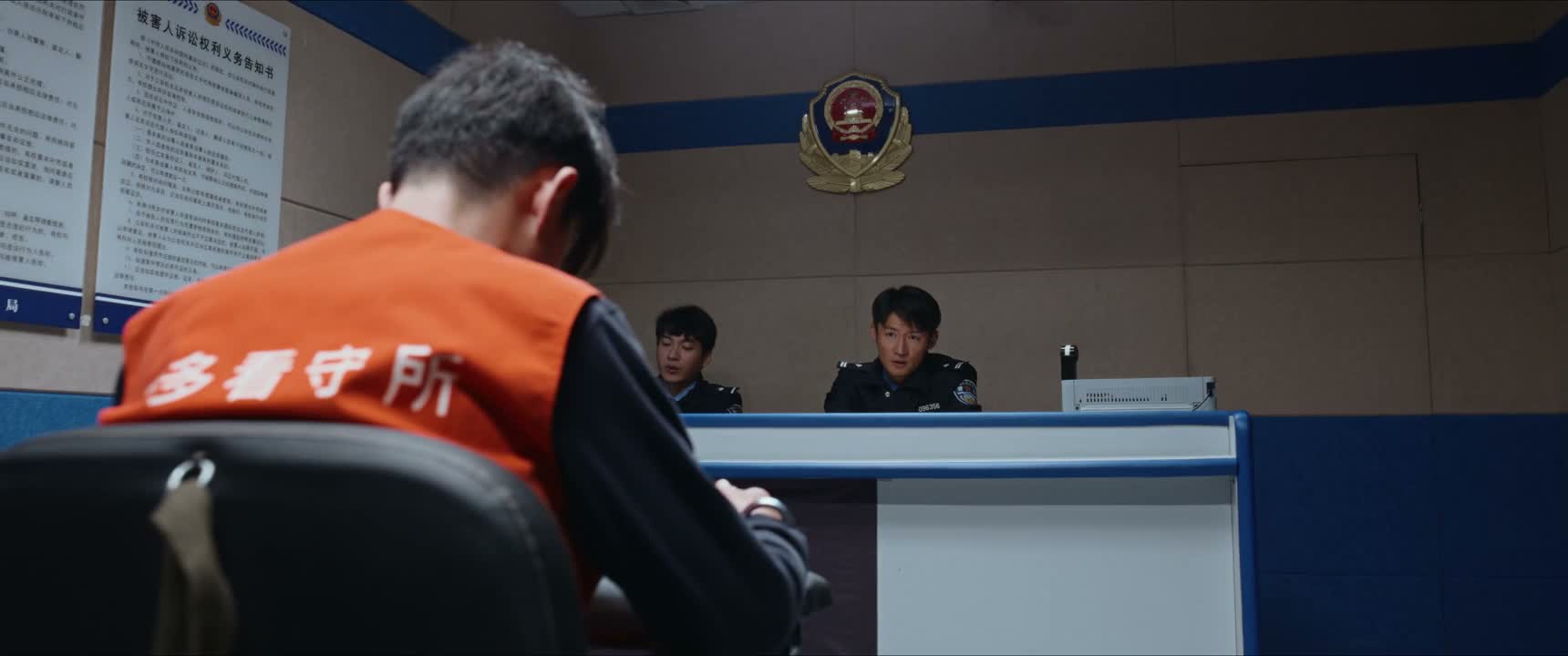
“Keeping silent is useless. We have got plenty of”
 00:02
 00:03
(是何家墨坊 地处何势 东家是何人 说) ── Previous context
“Insolent Wu Xin, why have you suddenly gone silent?”
[Scene: 社交聚会]
(5 clips) 00:02
 00:03
(我叫苏笺 你叫什么名字?) ── Previous context
“Why won't you say anything? You won't even tell me your name?”
 00:03
(那是 不看看谁招的人 我们家老解 要有信念) ── Previous context
“- Okay. - Sit tight. Even the master is silent.”
 00:02
 00:02
[Scene: 其他场景]
(4 clips) 00:02
 00:02
 00:02
 00:03
(找到了) ── Previous context
“He didn't talk when someone talked to him, so they sent him”
[Scene: 家庭日常]
(2 clips) 00:02
 00:02
(♫穿上你给的爱飞翔♫ 怎么了) ── Previous context
“Why are you so quiet? What are you thinking about?”
[Scene: 历史宫廷]
(2 clips) 00:03
 00:02
[Scene: 餐饮美食]
(1 clips) 00:02
[Scene: 出行交通]
(1 clips) 00:03
[Scene: 职场工作]
(1 clips) 00:02
📌 哑巴
→Nuance: 同义互换,均指责对方乱说话
📌 想一想
→Nuance: 质问对方不说话的意图一致
📌 要干嘛
→Nuance: 核心交际意图皆为催促坐好
📌 一个人
→Nuance: 皆为讽刺对方抢话多嘴
📌 你不知道
→Nuance: 催促对方开口,交际意图一致
📌 不好意思
→Nuance: 同向近义词根配对: [我们 ↔ 咱们]
📌 姐
→Nuance: 共享核心口语谓词: [不知道]
📌 不许
→Nuance: 同向近义词根配对: [为什么 ↔ 干吗]
📌 不知道
→Nuance: 质问对方为何沉默,可互换