成何体统
chéng hé tǐ tǒngCommon spoken expression used by native Chinese speakers in daily life.
[Scene: 其他场景]
(4 clips) 00:02
(你肯定是在做梦 我不会的 我刚才都看见你脸了) ── Previous context
“Then turn around and let me see. How inappropriate!”
 00:03
(看看 这是什么 来 里边请 这是什么跟什么呀) ── Previous context
“Indulging in sensual pleasures and wallowing in luxury, this is totally out of line!”
 00:03
(我不能在门口我就 就 血溅啊 你先 你等一下) ── Previous context
“W-What about me? How dare you, Yang Duojie?”
 00:02
(在一个连诰命 都没有的平民女子 灵前磕头) ── Previous context
“With so many eyes watching, how improper is this conduct!”
[Scene: 历史宫廷]
(4 clips)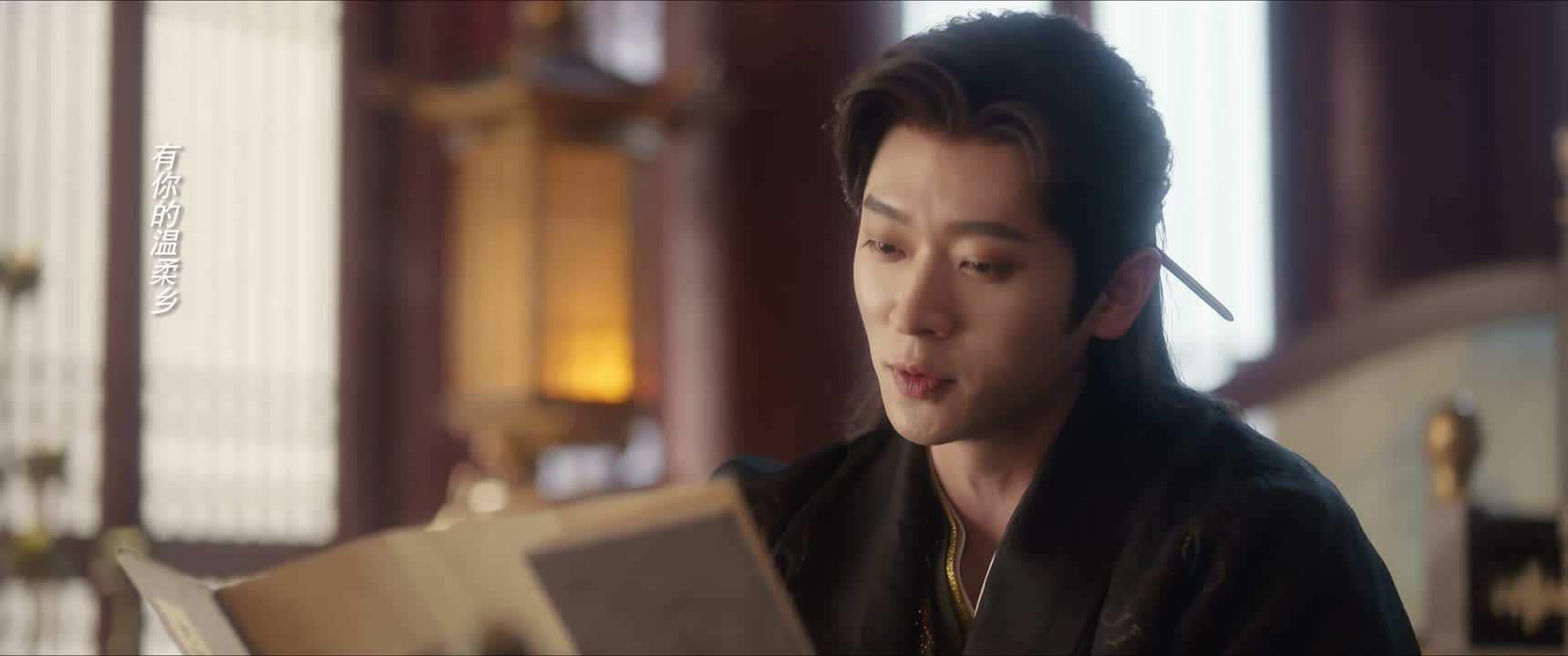 00:03
(用人不察) ── Previous context
“♪ A tender haven with you ♪ You are incompetent and foolish. How inappropriate!”
 00:02
 00:02
 00:02
[Scene: 家庭日常]
(2 clips) 00:02
 00:02
[Scene: 商务沟通]
(1 clips) 00:03
(无非是想考验一下 我的眼光与见识 不是吗) ── Previous context
“Then tell me, why did you choose this Wild Tea?”
[Scene: 职场工作]
(1 clips) 00:03
(散 不是 这不是我) ── Previous context
“Ms. Gao, tell your workers to go home. - What a disgrace! - Disperse!”
📌 哪个
→Nuance: 同向近义词根配对: [长辈 ↔ 前辈]
📌 受不了
→Nuance: 均表达极度无奈气愤的自怨情绪
📌 人家
→Nuance: 同向近义词根配对: [长辈 ↔ 老人]
📌 真是
→Nuance: 均表达极度无奈气愤的自怨情绪
📌 真是的
→Nuance: 均表达极度无奈气愤的自怨情绪
📌 忘了
→Nuance: 同向近义词根配对: [长辈 ↔ 前辈]
📌 真的是
→Nuance: 均表达极度无奈气愤的自怨情绪
📌 大喊大叫
→Nuance: 同批喧哗,换用劝说性表达
📌 什么
→Nuance: 同批喧哗,换用劝说性表达
📌 得
→Nuance: 同向近义词根配对: [长辈 ↔ 前辈]