吃肉
chī ròuCommon spoken expression used by native Chinese speakers in daily life.
[Scene: 餐饮美食]
(16 clips) 00:02
 00:02
 00:02
 00:02
 00:03
(去) ── Previous context
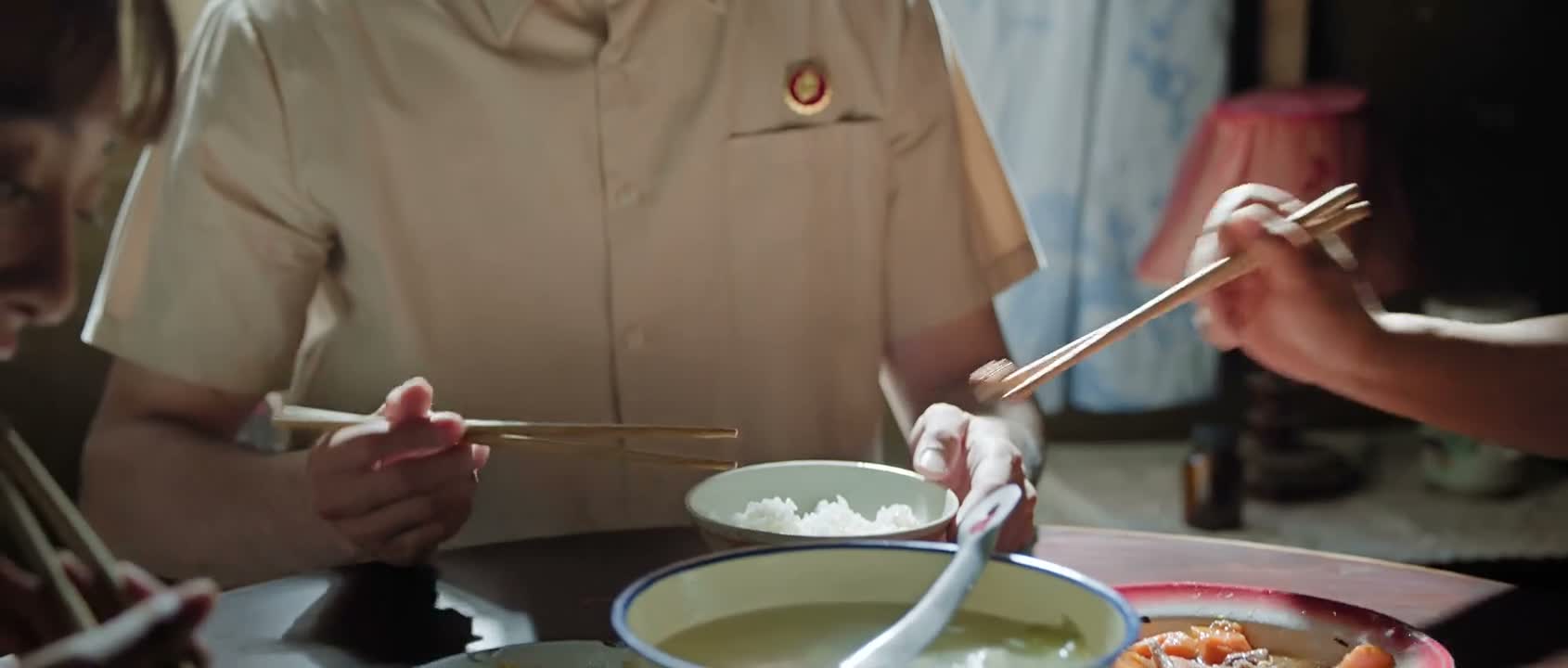
“We can eat meat. There's one guy here who doesn't eat meat.”
 00:03
 00:02
 00:02
 00:03
(吃这么贵的烤肉 我拿几个糖又咋咧 啥都管呢) ── Previous context
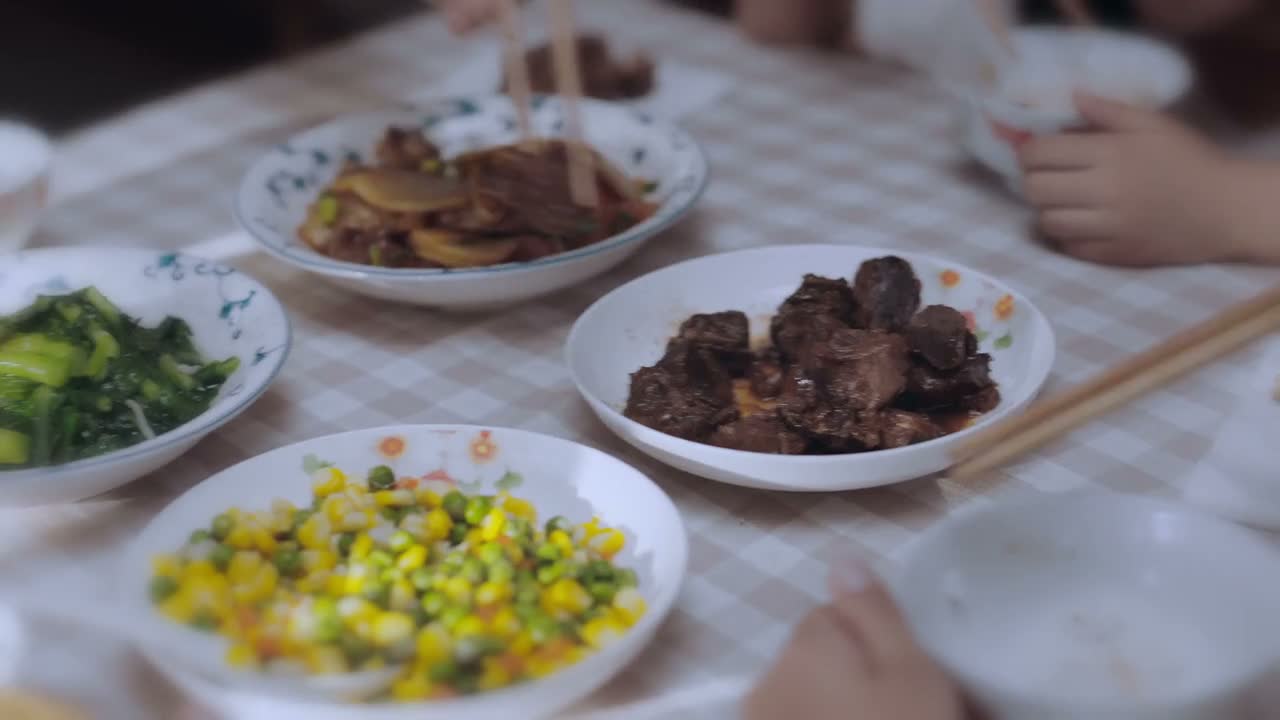
“Those cheap candies aren't worth anything Eat the meat, eat the meat”
 00:02
 00:03
 00:03
(费霆 赶紧坐坐吃饭 吃吃吃 过来) ── Previous context
“Come here, Jianshe. Let's have meat together.”
 00:02
 00:03
(来来 吃肉吃肉 那么多肉呢 快快吃) ── Previous context
“Have some fish. Here. Fish and meat. I'll pick the bones out.”
 00:03
 00:02
[Scene: 家庭日常]
(6 clips) 00:02
 00:02
(钱婆婆拜拜 哎 拜拜) ── Previous context
“Let me make you some good food. I want to eat meat.”
 00:02
 00:02
(你看姑姑多会挑日子回来 平时也不回来几趟) ── Previous context
“Now that we're having meat today, she's back.”
 00:02
 00:03
[Scene: 其他场景]
(2 clips) 00:02
 00:02
[Scene: 其他场景]
(1 clips) 00:03
[Scene: 社交聚会]
(1 clips) 00:03
(都是假的 你看我 整天忙得跟狗一样的) ── Previous context
“But I make very little money. My master gets most of it. I just make some hard cash.”
📌 没事
→Nuance: 同为父亲劝儿子多吃肉
📌 走走走
→Nuance: 核心催促离开意图一致可替换
📌 来来来
→Nuance: 同为餐桌热情招呼吃菜转移氛围
📌 来来来
→Nuance: 餐桌上劝吃夹菜,交际意图一致
📌 快走
→Nuance: 核心催促行动意图完全一致
📌 好吃
→Nuance: 意图相同但表达更泛化关切
📌 什么时候
→Nuance: 同向近义词根配对: [现在 ↔ 今天]
📌 吃火锅
→Nuance: 餐桌上劝吃夹菜,交际意图一致
📌 吃菜
→Nuance: 同为热情劝食客套,意图一致
📌 长高高
→Nuance: 同为父亲劝儿子多吃肉