答案
dá ànCommon spoken expression used by native Chinese speakers in daily life.
[Scene: 社交聚会]
(16 clips) 00:02
 00:03
(有的时候) ── Previous context
“you can't immediately choose the right answer with certainty.”
 00:02
 00:03
(但通往梦想人生的道路 都会有曲折) ── Previous context
“Finding the answer to life is just like doing a test.”
 00:02
 00:02
(但是 足球它不是数学题) ── Previous context
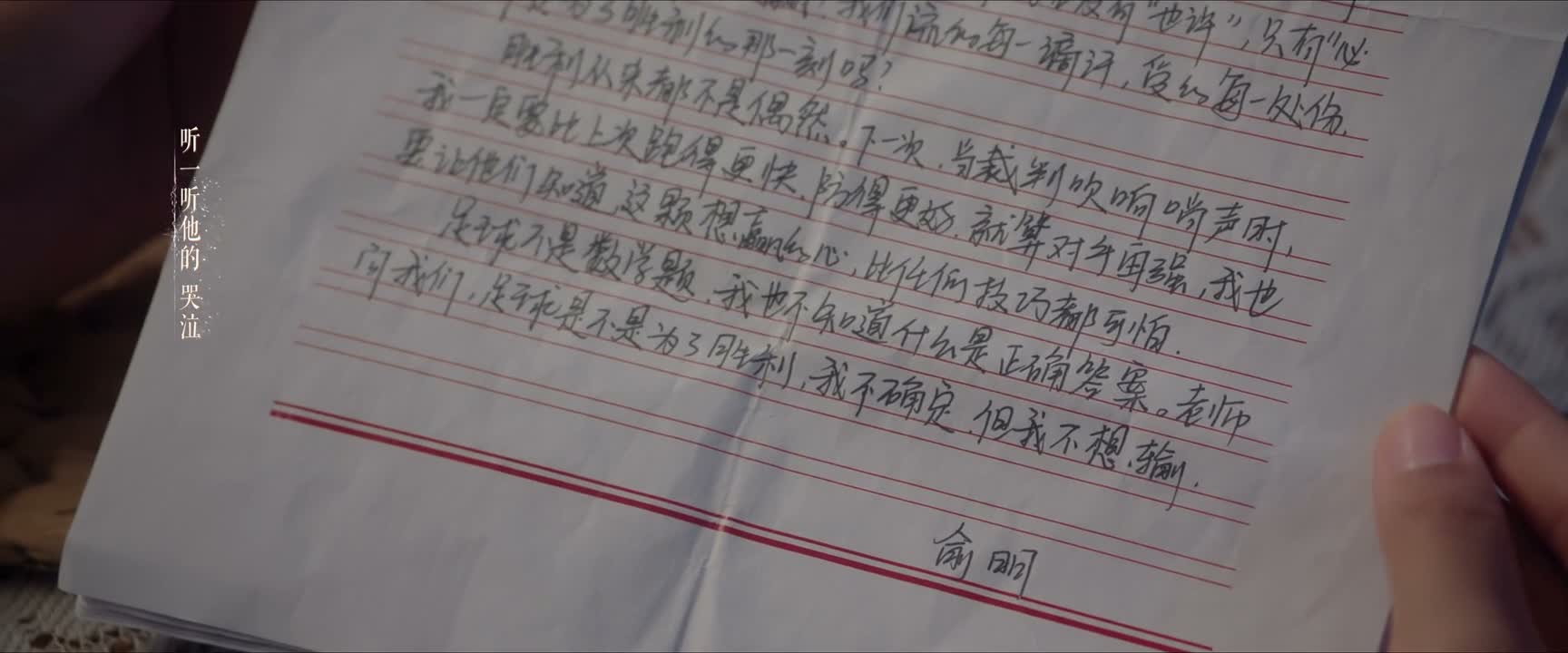
“♪ Listen closely to its cries ♪ [I'll make sure I run faster than I did last time.] so I don't know if there's a right answer. No matter what,”
 00:02
 00:03
(会不会是这次游戏的答案 咱们弄错了) ── Previous context
“It can't be. I think we just haven't found the right answer yet.”
 00:02
(没事没事 谢谢姐姐) ── Previous context
“Could it be that we got the answer to the game wrong this time?”
 00:02
 00:02
 00:02
 00:02
 00:02
 00:03
(明天不用训练) ── Previous context
“After you get off work, I'll wait for your answer at the lakeside trail.”
 00:02
[Scene: 其他场景]
(7 clips) 00:02
 00:02
 00:02
 00:03
 00:03
(凭什么能跟你平起平坐 做研究) ── Previous context
“Now you know the answer. Are you satisfied with it?”
 00:02
(那你有没有想过 我会失去什么呢) ── Previous context
“Actually, I knew that this would be your answer.”
 00:02
[Scene: 其他场景]
(6 clips) 00:02
 00:02
 00:03
 00:02
 00:02
 00:02
[Scene: 其他场景]
(5 clips) 00:03
(这一个数据 也说明不了什么问题吧 就是) ── Previous context
“We can use statistical analysis to reach a conclusion.”
 00:02
(它们去哪了 去哪了) ── Previous context
“The answers were hidden. Where did you copy this from?”
 00:03
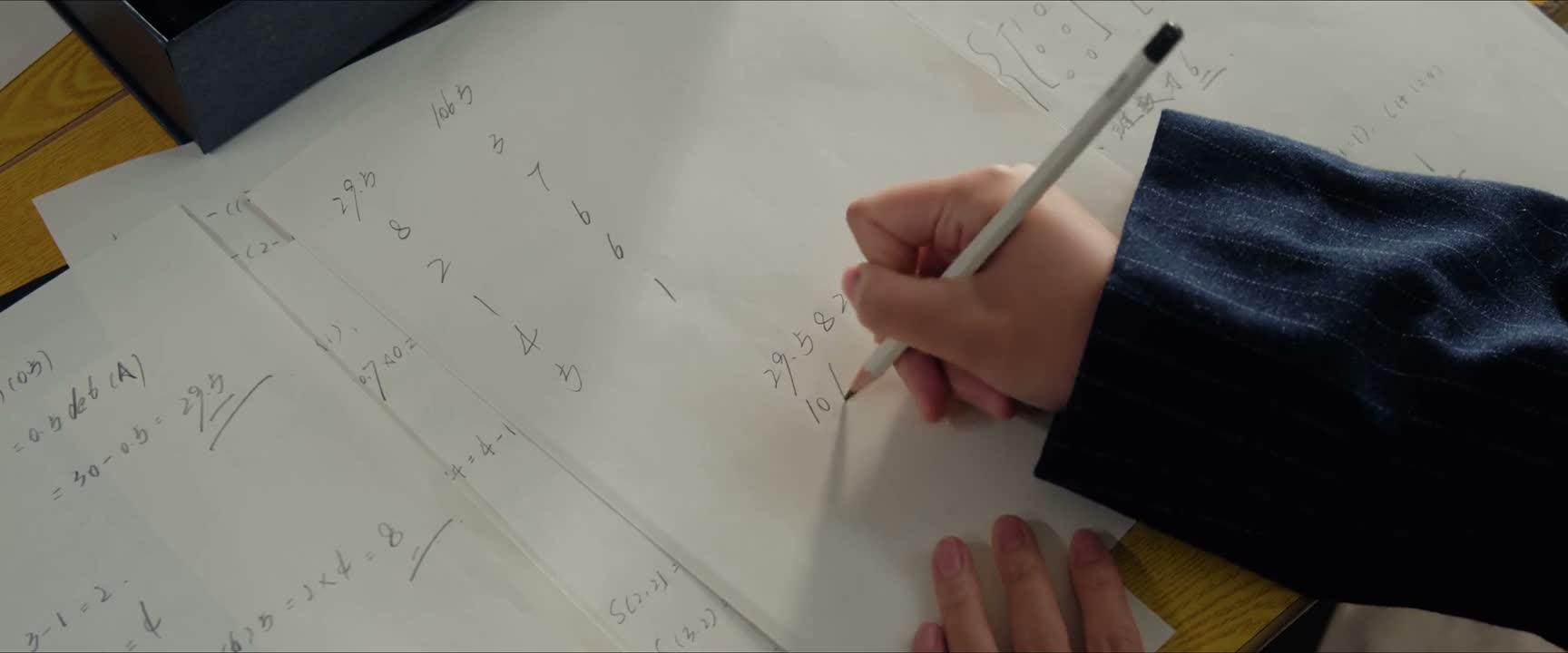
(算出来的答案 分别是 六 六 一) ── Previous context
“If we arrange the answers for Chance and Fate questions separately...”
 00:03
(新书 你是和我们 还有小林老师都有关系的人) ── Previous context
“So the answer must be you. Why me? Even though he's”
 00:02
[Scene: 职场工作]
(3 clips) 00:02
 00:03
 00:02
[Scene: 家庭日常]
(1 clips) 00:03
[Scene: 历史宫廷]
(1 clips) 00:02
[Scene: 警匪刑侦]
(1 clips)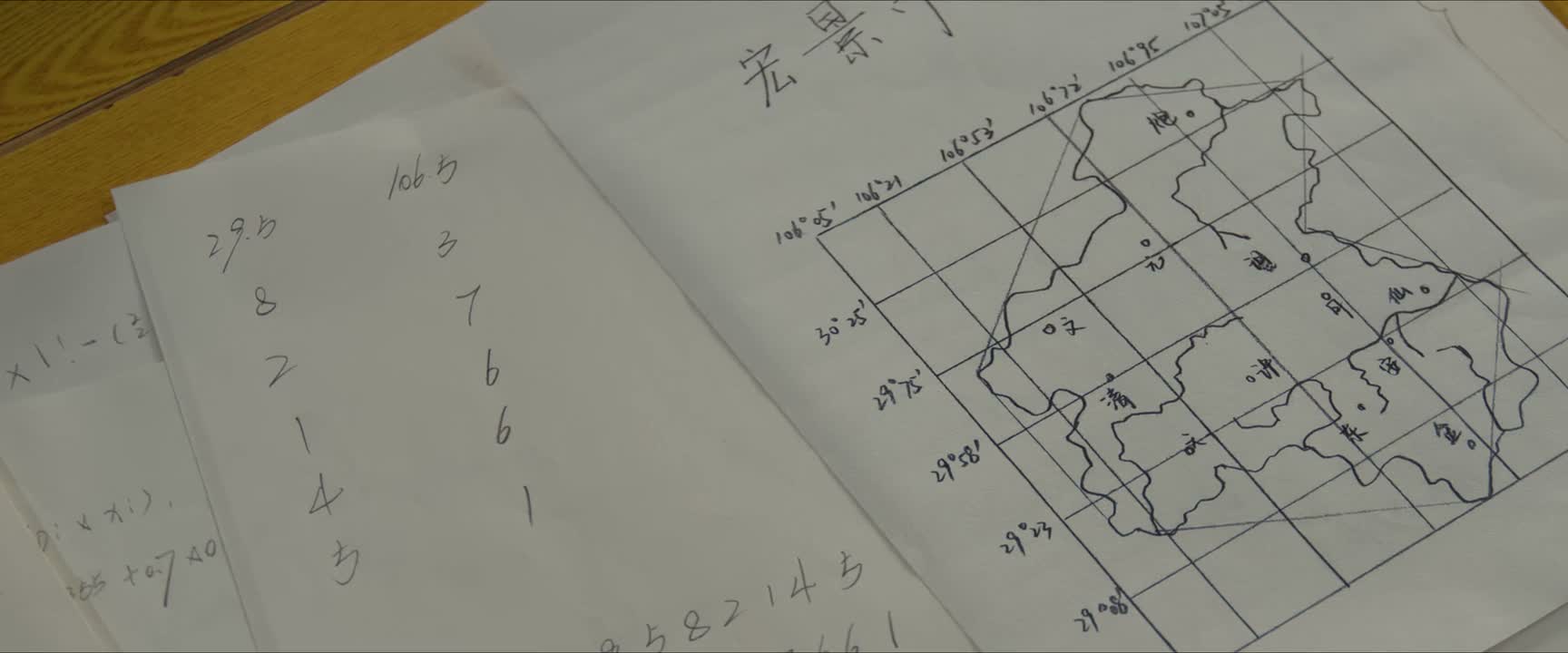 00:03
(而且) ── Previous context
“[Xu] [Qing] [Wen] [Wang] do both answers to Question 1 contain decimal points?”
📌 放心
→Nuance: 承诺给满意答案即给结果
📌 这么着
→Nuance: 表达劝解不要过早做决定的意图
📌 不知道
→Nuance: 同向近义词根配对: [知道 ↔ 清楚]
📌 记住了
→Nuance: 同向近义词根配对: [目标 ↔ 目的]
📌 不清楚
→Nuance: 同向近义词根配对: [知道 ↔ 清楚]
📌 我猜的
→Nuance: 同向近义词根配对: [知道 ↔ 清楚]
📌 想办法
→Nuance: 意图同为给答复,表达更正式