得了吧
dé le baCommon spoken expression used by native Chinese speakers in daily life.
[Scene: 社交聚会]
(7 clips) 00:02
 00:03
 00:02
 00:03
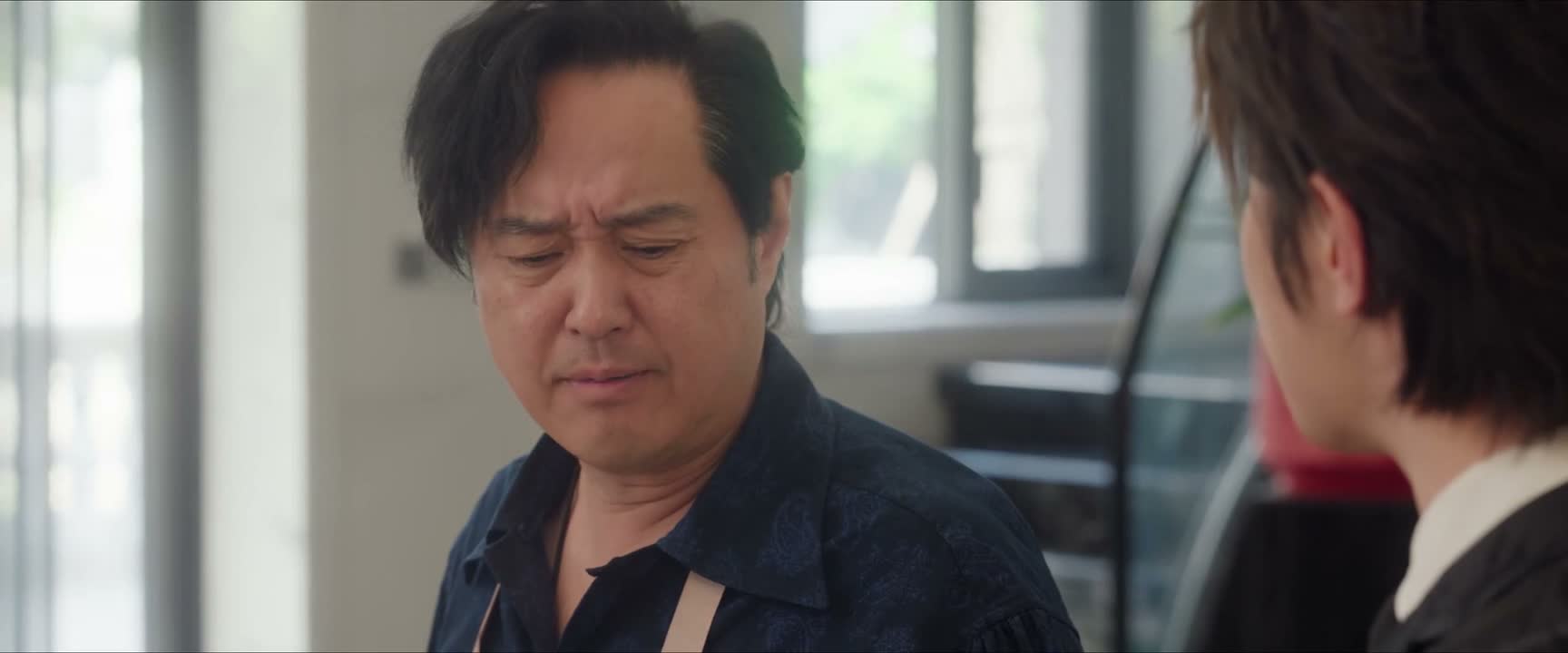
(这钱都是大风刮来的 给妹妹开 这么好的咖啡馆) ── Previous context
“I also want a man to open a coffee shop for me. Shut up.”
 00:03
(灵芝最好的品相) ── Previous context
“Forget about it. My nose bled after eating the stuff you gave me last time.”
 00:02
 00:02
[Scene: 职场工作]
(2 clips)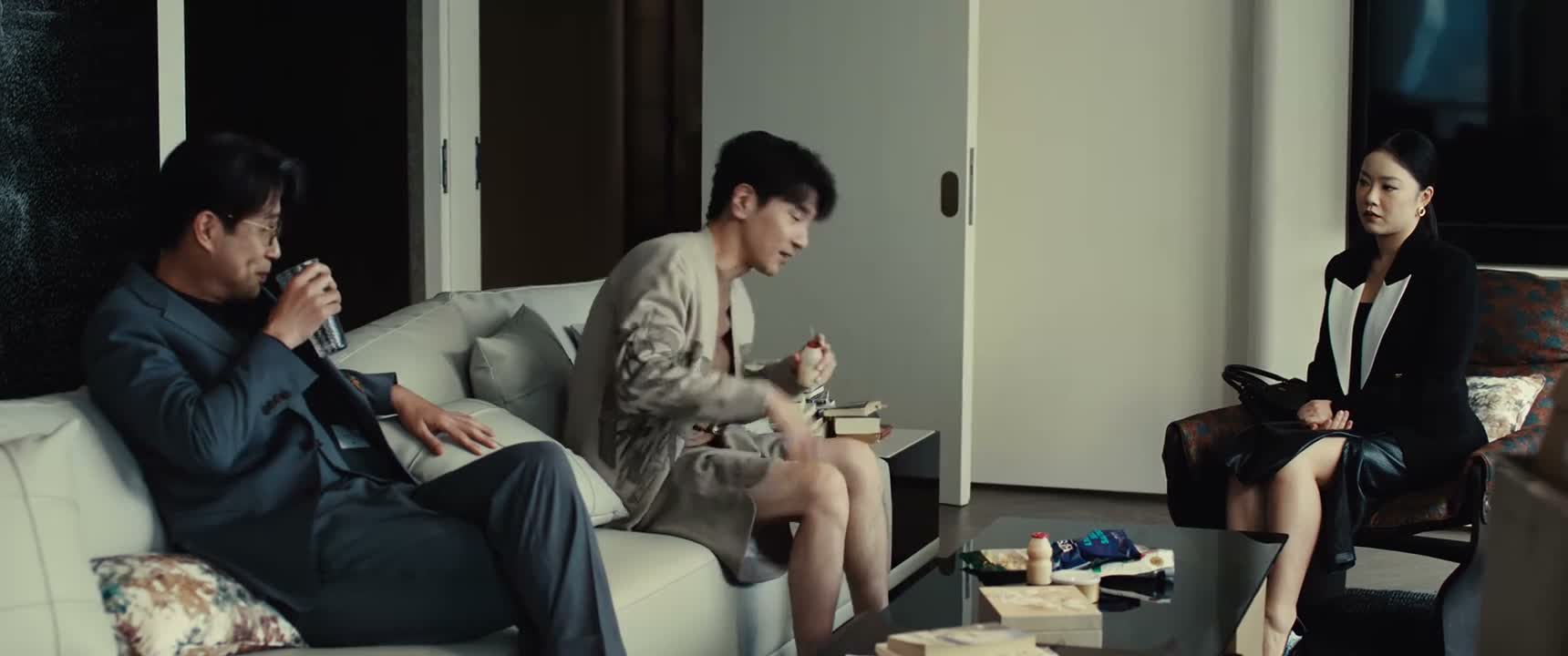 00:03
(我可不是来挑拨离间的啊) ── Previous context
“Oh, come on, Mr. Fan. When have you ever not come to stir things up?”
 00:03
[Scene: 其他场景]
(1 clips) 00:03
(那要不是一个锅里吃饭 一个屋里睡觉) ── Previous context
“how can there be such a coincidence? Enough. You have a dirty heart,”
[Scene: 餐饮美食]
(1 clips) 00:03
[Scene: 家庭日常]
(1 clips) 00:03
[Scene: 历史宫廷]
(1 clips) 00:03
(不要为难我等啊) ── Previous context
“Stop it. You know very well the relationship between my brother and the Imperial Guard.”
[Scene: 其他场景]
(1 clips)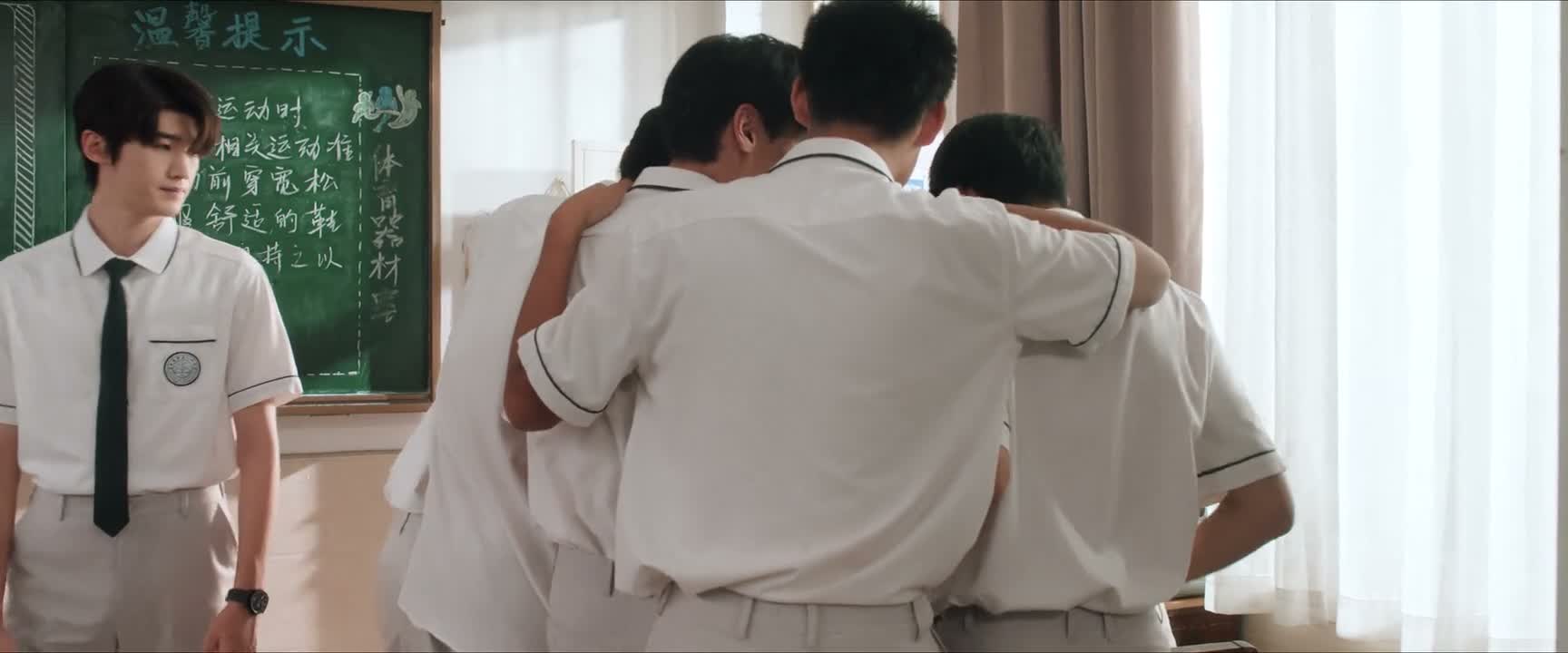 00:03
(快 快 快 把这张照片 打印到这荣誉墙上) ── Previous context
“Absolutely perfect. Especially my handsome face. Come on.”
📌 行了行了
→Nuance: 意图一致拒绝对方道歉打断说话
📌 记得
→Nuance: 核心均指责对方以为自己忘了
📌 一个人
→Nuance: 调侃对方口是心非的变体表达
📌 怎么成这样
→Nuance: 同向近义词根配对: [这样 ↔ 这么]
📌 得了
→Nuance: 调侃对方口是心非的变体表达
📌 得了
→Nuance: 核心均指责对方以为自己忘了
📌 是不是
→Nuance: 同向近义词根配对: [记得 ↔ 记忆]